
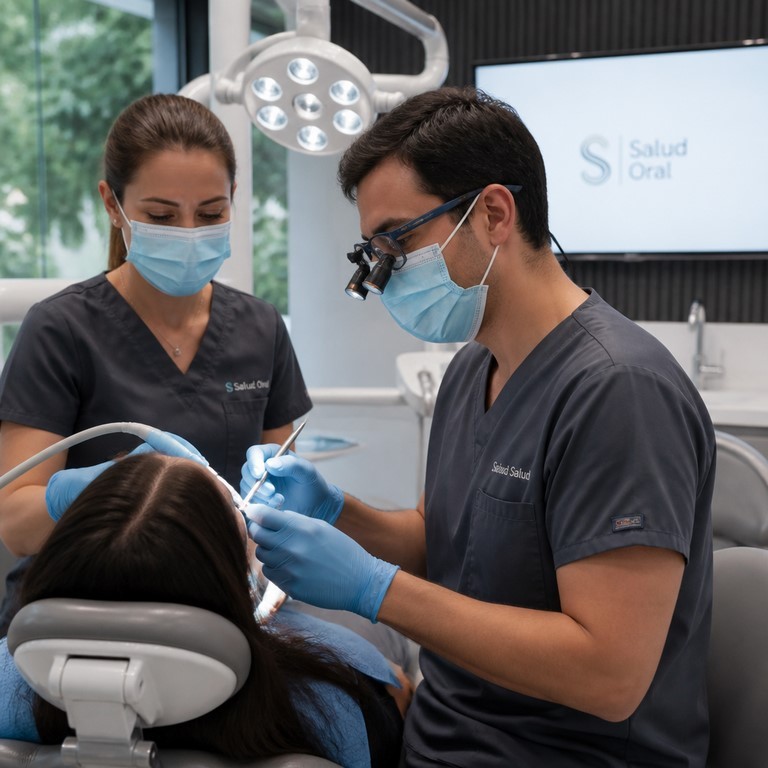
OM1 vs BL1 Veneers: The Clinical Difference
OM1 (VITA 3D-Master) and BL1 (VITA Classical Bleached) are both described as the lightest shade — but they come from different systems, measure color differently, and don't translate directly. Here's what that means clinically.
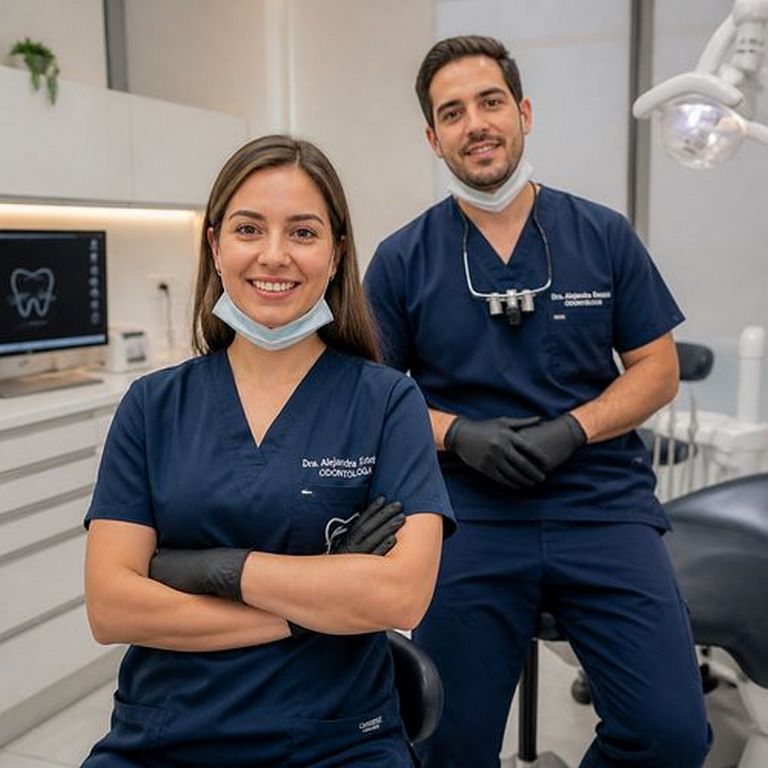
Hollywood Smile Shade vs Natural Look: What the Numbers Actually Mean
BL1 vs A1, translucency vs opacity, mamelons vs flat incisal edges — the clinical variables that separate a Hollywood smile from a natural-looking veneer set, and what patients actually mean when they ask for either.

Veneers for Discolored Teeth: When Whitening Isn’t Enough
Whitening works on some discoloration and is completely ineffective on others. Knowing your stain type determines whether veneers are the right solution — and what result is actually achievable.

Veneers for Gaps Between Teeth (Diastema): Before & After Guide
Veneers can effectively close gaps between teeth, but the outcome depends on gap size, tooth proportion, and whether the underlying cause has been addressed. Here's what patients need to know before committing.
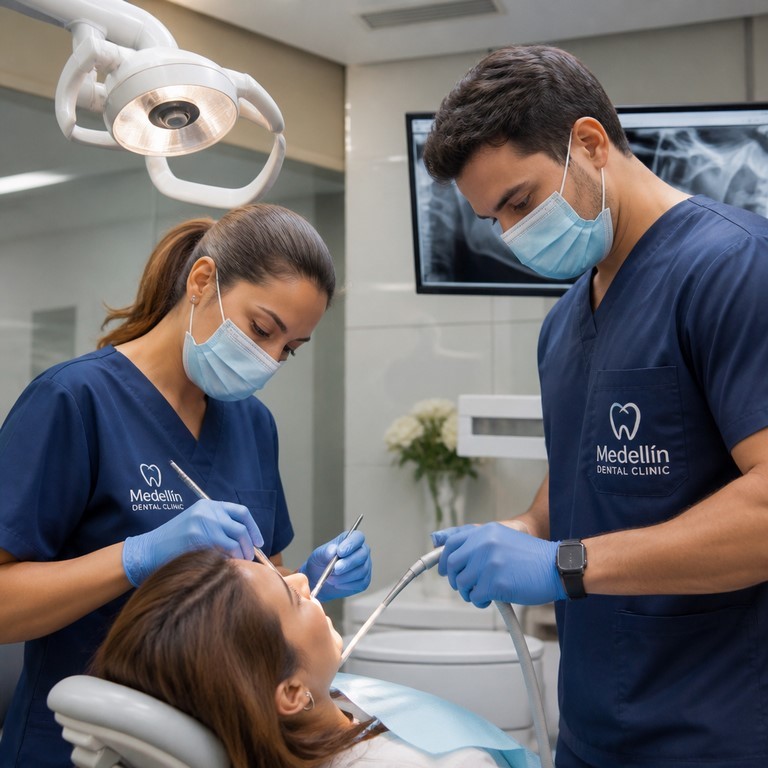
No-Prep Veneers: Lumineers vs Ultra-Thin vs Traditional — When Each Works
No-prep veneers like Lumineers sound ideal, but the clinical reality is more nuanced. Here's when they work, when they fail, and when traditional preparation gives a better outcome.

Dental Bonding vs Veneers for Small Gaps: The Clinical Decision
Dental bonding vs veneers for gap closure: a clinical comparison of durability, cost, reversibility, and when each treatment makes sense. Includes the trial smile advantage and combination cases.

Veneers for Men: What’s Different About Male Smile Design
Male smile aesthetics differ significantly from female. Learn how to avoid the feminization risk, what to communicate to your dentist, how facial structure affects veneer selection, and color choices for men.

How Many Veneers Do I Need? 4 vs 6 vs 8 vs Full Mouth Explained
Not sure how many veneers you need? This guide covers the smile zone concept, why 4 is usually the minimum, the 6 vs 8 decision, full-arch options, color matching challenges, and cost breakdown by count.

Veneers on Crowded or Crooked Teeth: What’s Possible?
Veneers can mask mild crowding, but clinical reality demands more enamel removal and careful bite analysis. Learn when orthodontics must come first and what 'instant orthodontics' really costs long-term.

Temporary (Snap-On) Veneers: Are They Worth It?
Snap-on veneers are removable cosmetic shells with no drilling or permanent changes. Here's who they genuinely help, their real limitations, top brands, and when dentists recommend them versus when they don't.

Veneers for Sensitive Teeth: Can You Get Them?
Sensitive teeth don't automatically rule out veneers — but the underlying cause must be addressed first. Here's what to know about enamel removal, veneer types, and when sensitivity becomes a true contraindication.

Are Veneers Reversible? What “Irreversible” Really Means for Your Future Smile
Traditional porcelain veneers are not reversible because they permanently remove enamel. Learn what irreversible really means, which veneer types are more conservative, and what alternatives preserve your natural teeth.