What “Hollywood Smile” Actually Means in Clinical Terms
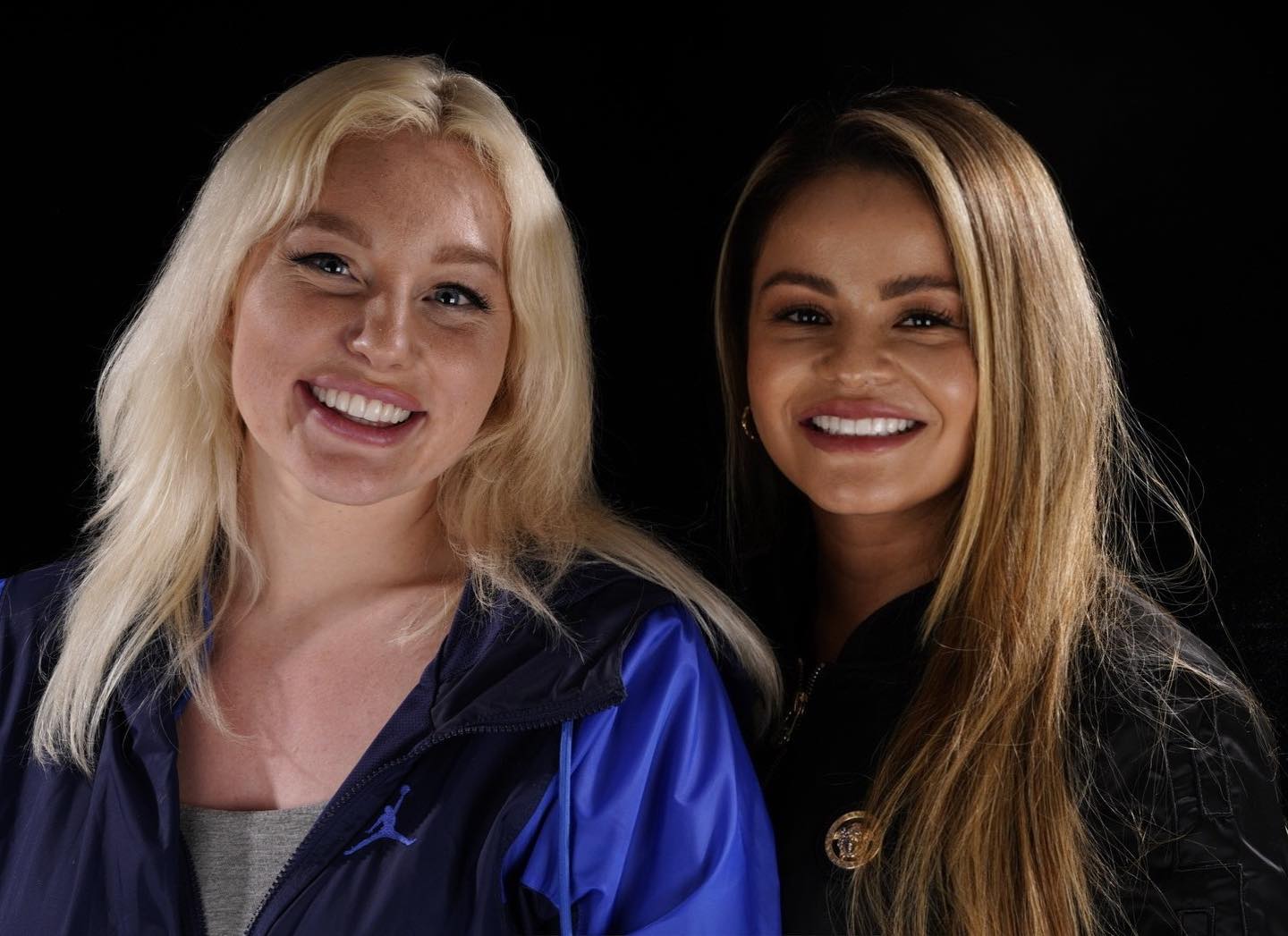
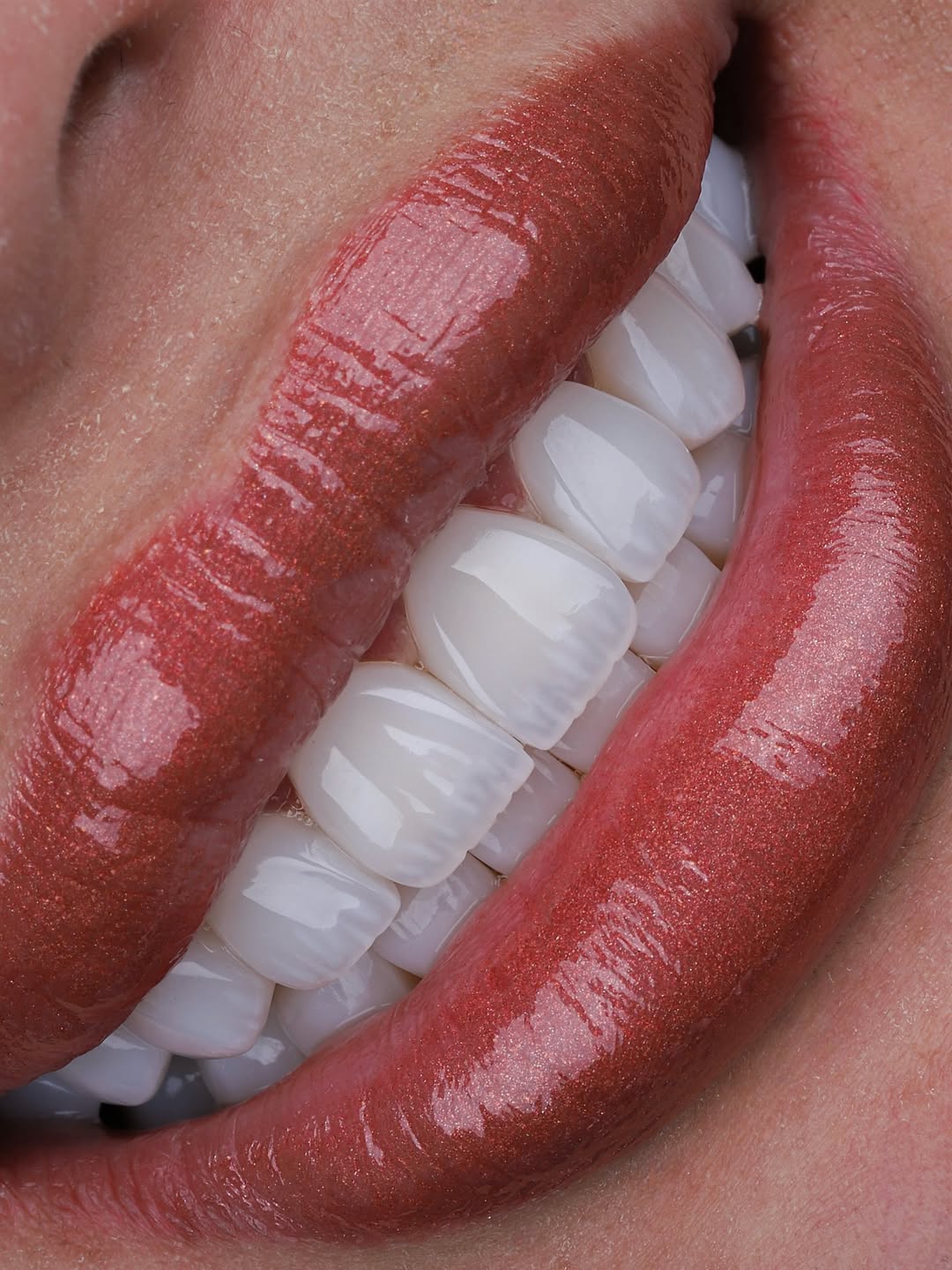
When patients say they want a Hollywood Smile, they’re describing an aesthetic that has a precise clinical profile: shades in the BL1–BL2 range (VITA Classical Bleached extension), high value, very low chroma, and near-perfect uniformity across all visible teeth. The effect is luminous, bright, and — crucially — consistent from central incisor to second premolar without variation in hue or saturation.
The same veneers cost up to 70% less in Colombia.
See if you qualify Free video call in English · on WhatsAppIndividual patient experience. Results and pricing are confirmed after a clinical evaluation.
That consistency is the defining clinical feature. In a naturally occurring dentition, no two teeth share the exact same shade. Canines are almost always more saturated (higher chroma) than centrals. Laterals are often slightly translucent at the incisal edge. There is natural variation even in a healthy, young smile. The Hollywood Smile deliberately removes that variation. Every tooth reads the same on a shade guide: ultra-high value, minimal chroma, uniform surface quality. This is achievable only with porcelain veneers or full-coverage crowns fabricated to a lab-specified blank.
The Clinical Profile of a Natural-Looking Veneer Set
A “natural” veneer smile is typically fabricated in the A1–B1 range on the VITA Classical scale or the 1M1–2M1 range on the VITA 3D-Master. The key clinical differences from a Hollywood set are not just shade — they are texture and optical properties:
- Incisal translucency: Natural teeth have a translucent incisal third where enamel thins and the underlying dentin becomes less visible. A natural-looking veneer replicates this with layered ceramic, adding a translucent or opalescent incisal layer. A standard Hollywood blank is opaque throughout.
- Subtle inter-tooth variation: The ceramist introduces slightly higher chroma in canines and laterals to mimic natural variation. Centrals are slightly brighter; canines are slightly more saturated. This variation reads as “real” at conversational distance.
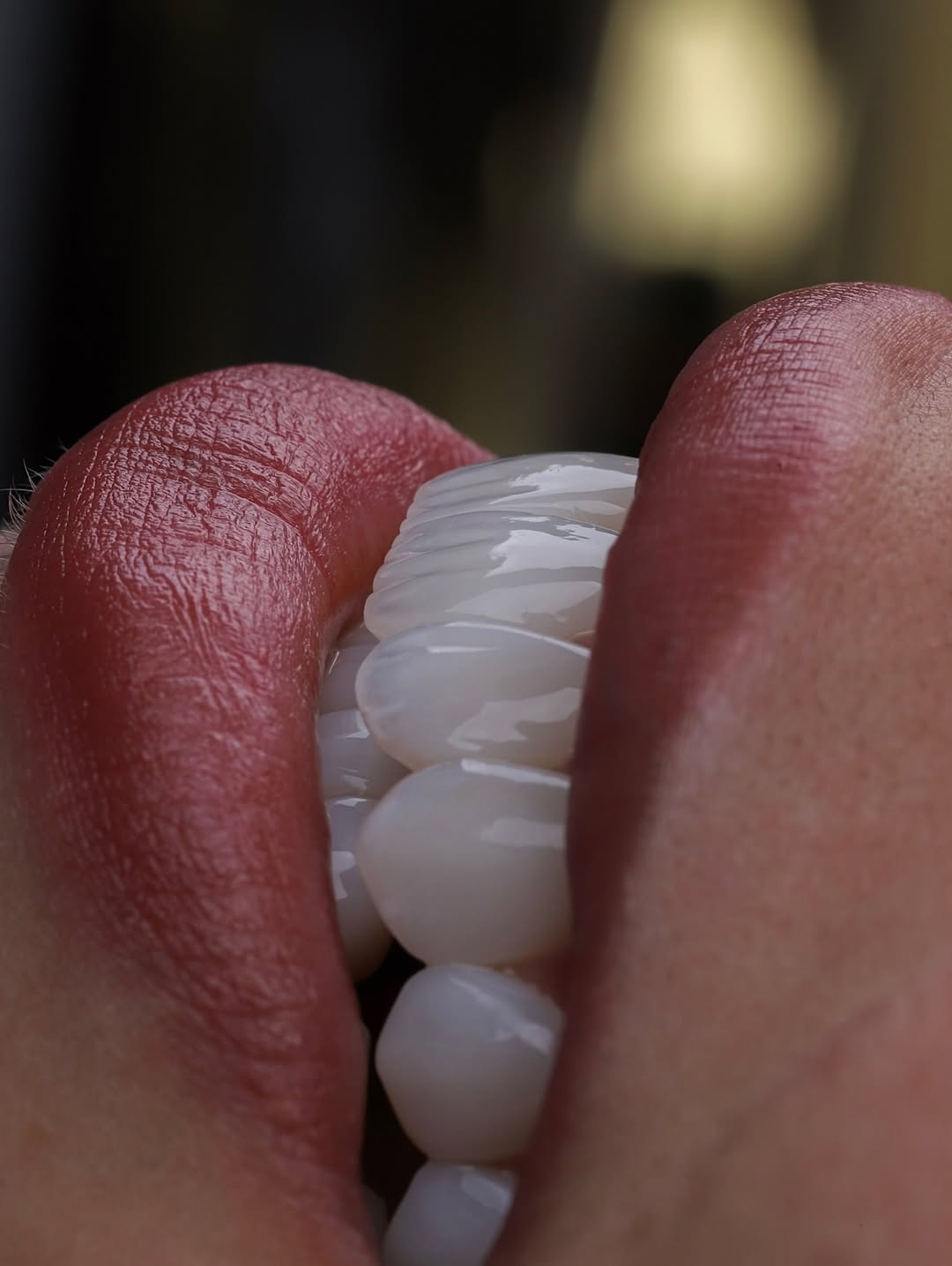
- Surface characterization: Natural enamel has micro-texture — horizontal perikimatae, surface undulations, and occasionally hypocalcification spots. A highly characterized set of veneers replicates this at the ceramist’s discretion. A standard blank has a smooth, glazed surface that reflects light uniformly.
Why Ultra-White Looks Unnatural Up Close (But Photographs Well)
This is the discrepancy that confuses most patients. BL1 veneers — very white, uniform, and opaque — read as spectacular in photographs because cameras respond to contrast and brightness. In a photo, the ultra-white teeth pop against skin tone and lip color. The image compresses depth, so the lack of translucency isn’t noticeable.
At conversational distance (roughly 50–60 cm), the same veneers look different. The eye processes the smile in the context of the whole face. Natural teeth have subsurface scattering: light enters enamel, bounces off dentin, and exits at a slightly different point, giving teeth a soft, three-dimensional glow. Opaque high-value porcelain reflects light off the surface only. The result is a flat, high-contrast brightness that experienced observers perceive as prosthetic. It doesn’t look wrong exactly — it looks dental.
Translucency and opalescence are the corrective factors. When a ceramist adds an opalescent incisal layer, the porcelain scatters short-wavelength (blue) light and transmits longer wavelengths, creating the same effect as natural enamel. This is why the most natural-looking veneers look slightly less white in photographs but more lifelike in person.
Get your veneers in Colombia for up to 70% less.
In the US, 20 porcelain veneers run $30,000–$50,000. With Dr. Yazmin in Medellin, it's $6,900, all-inclusive.
Individual patient experience. Prices, inclusions and results are confirmed after a clinical evaluation. A full evaluation is required before any treatment.
The Role of Incisal Edge Detail in Natural Veneers
The incisal edge of anterior teeth carries significant diagnostic information about how natural a smile looks. In natural, unworn dentition — particularly in younger patients — the incisal edge shows three distinct rounded projections called mamelons. These develop from the three developmental lobes of the tooth and typically wear flat within a few years of eruption. Many patients, however, retain slight mamelon morphology into adulthood.
Nothing boosts your professional and social confidence quite like the brilliant aesthetic of dental veneers Medellín.
A skilled ceramist can replicate mamelon morphology in veneers fabricated for patients who want a youthful, natural appearance. Even without full mamelon replication, subtle variation in the incisal edge contour — slight irregularity, minor length differences between teeth — contributes to naturalness. A perfectly flat, straight incisal plane across all four incisors is a clinical marker of prosthetic work, particularly when combined with uniform shade. Introducing 0.5–1 mm of planned variation at the incisal edges is one of the simplest ways to reduce the prosthetic appearance of a veneer set.
What Patients Actually Mean When They Say “Natural”
After a significant number of veneer consultations, a pattern emerges: when patients say “I want it to look natural,” they rarely mean “I want it to look exactly like my original teeth.” What they usually mean is: “I don’t want people to be able to tell I’ve had work done.”
These are related but not identical goals. A patient with genetically small, discolored, or worn teeth who receives A1 veneers with incisal translucency will have a smile that looks significantly different from their pre-treatment dentition — but it will not look obviously prosthetic. That’s typically the outcome they’re describing.
The distinction matters in treatment planning. A patient who says “natural” but presents with reference photos of BL2 celebrity smiles is actually describing a high-value, moderately characterized Hollywood result — not A1 veneers with full characterization. The consultation should surface this discrepancy explicitly. Reference photos are far more reliable than shade vocabulary.
How to Use Reference Photos Effectively in Consultations
The most productive consultation approach is to present patients with a structured set of reference images grouped by clinical shade range. These should include:
- High-value, low-characterization examples (BL1–BL2 range, uniform, minimal translucency)
- Moderate-value, moderate-characterization examples (A1–B1, some inter-tooth variation, visible incisal translucency)
- Natural-looking high-characterization examples (subtle texture, slight variation, naturalistic surface quality)
Patients should be shown these images at both normal viewing distance and in close-up. The response at each distance often differs and reveals what they’re actually prioritizing. Patients who primarily respond to the close-up view with approval of translucency and texture want natural characterization. Patients who respond most strongly to the bright, uniform appearance in standard viewing distance want a Hollywood result.
Digital Smile Design (DSD) tools add a further layer here: by superimposing mock-up shades and shapes onto the patient’s own face, you eliminate the confounding variable of the reference patient’s facial structure, skin tone, and lip color. The shade choice looks different on different faces.
Cost Difference: Highly Characterized Natural Veneers vs Standard Hollywood Blanks
The cost differential between a fully characterized natural veneer set and a standard Hollywood veneer set is real and clinically justified. Standard Hollywood blanks — uniform shade, opaque porcelain, smooth surface — require less ceramist time. The shade is predictable, the layering is straightforward, and quality control is simple. These are often pressed or milled to a single specification.
Highly characterized veneers require significantly more lab time. Each tooth is built up in multiple layers: dentin porcelain, enamel porcelain, translucent incisal material, and in some cases individual stain characterization for hypocalcification spots, faint horizontal lines, or subtle hue variation. A full set of 10 characterized veneers may require 2–3 times the ceramist hours of a standard Hollywood set.
At the clinical level, this translates to a fee difference of approximately 20–40% depending on the laboratory. Patients choosing highly characterized natural veneers should understand this reflects the additional ceramist skill and time involved, not simply a premium for a different material. The result is a veneer set that requires close observation to distinguish from natural dentition — which is exactly what most of them are paying for.
The Clinical Bottom Line
The Hollywood Smile and the natural veneer look are not opposite ends of a single axis — they differ across several independent clinical variables: shade value, chroma, translucency, surface characterization, incisal morphology, and inter-tooth variation. Understanding which of these variables matters most to each patient is the real work of the shade consultation. The shade number is almost the last detail — it follows from the aesthetic target, not the other way around.