The Cost of Veneers in Australia vs Colombia
Australia has some of the highest dental fees in the world. Porcelain veneers at reputable private practices in Sydney, Melbourne, Brisbane, or Perth typically cost between AUD 1,800 and AUD 3,500 per veneer, with premium cosmetic clinics in Sydney’s CBD or Melbourne’s inner suburbs reaching the top of that range or beyond. A full smile of 8–10 veneers can cost AUD 18,000–35,000 — an enormous out-of-pocket expense, as Medicare does not cover cosmetic dental work and private health fund extras typically reimburse only a fraction of the cost.
The same veneers cost up to 70% less in Colombia.
See if you qualify Free video call in English · on WhatsAppIndividual patient experience. Results and pricing are confirmed after a clinical evaluation.
In Medellín, Colombia, the equivalent high-quality porcelain veneers cost the equivalent of AUD 350–650 per veneer. The saving is roughly 80% per unit. At Doctor Yazmin’s clinic, which operates an in-house dental laboratory, veneers can be fabricated and placed in as few as 3 days — important for Australians managing a long-haul trip within a fixed leave window.
The Long-Haul Factor: Getting from Australia to Medellín
The most significant practical consideration for Australian patients is the travel distance. Medellín is genuinely far from Australia, and the journey deserves careful planning.
Typical Routing and Flight Times
There is no direct service from Australia to Colombia. The most common routes are:
- Sydney or Melbourne → Los Angeles (LAX) → Bogotá (BOG) → Medellín (MDE): Total travel time approximately 22–26 hours including connections. Qantas, United, or LATAM cover segments of this route.
- Sydney or Melbourne → Miami (MIA) → Bogotá or Medellín: Similar total time, approximately 22–24 hours. American Airlines and LATAM are common carriers on this routing.
- Via Dallas/Fort Worth (DFW): American Airlines from Sydney to Dallas, connecting to Bogotá or Medellín. Around 22–24 hours total.
Once in Bogotá, there are frequent short domestic flights to Medellín’s José María Córdova Airport (MDE), operated by Avianca, LATAM Colombia, and others — typically 45–55 minutes and inexpensive (AUD 30–80 one way).
Return Airfares
Return economy fares from Sydney or Melbourne to Medellín (with US connections) typically range from AUD 1,800–2,800. Booking 10–14 weeks in advance and being flexible on travel dates helps secure better prices. Business class fares are available for the long Pacific segment if you want to arrive rested.
The same veneers in Colombia cost up to 70% less.
In the US, 20 porcelain veneers run $30,000–$50,000. With Dr. Yazmin in Medellin, it's $8,000, all-inclusive.
Individual patient experience. Prices, inclusions and results are confirmed after a clinical evaluation. A full evaluation is required before any treatment.
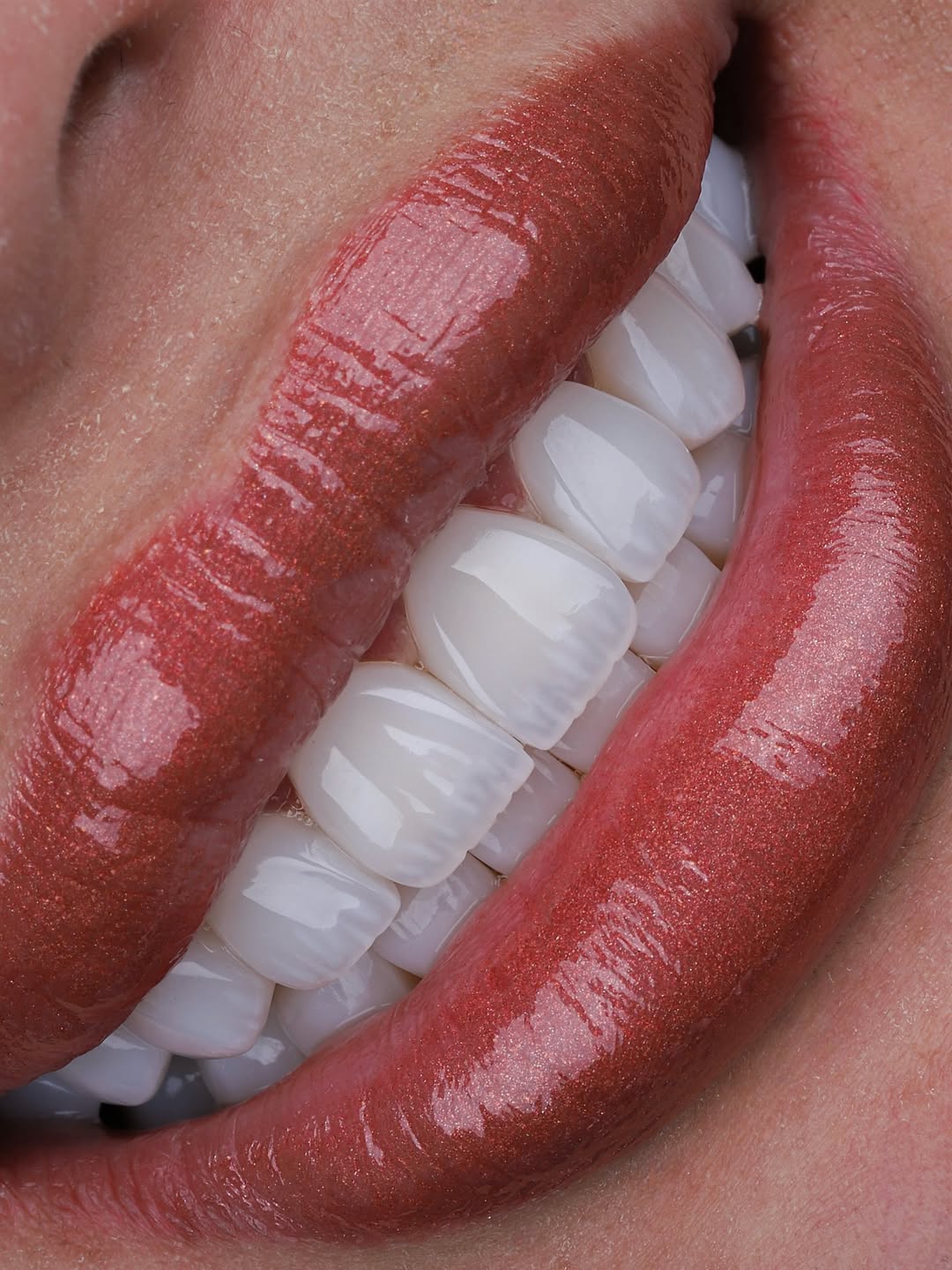
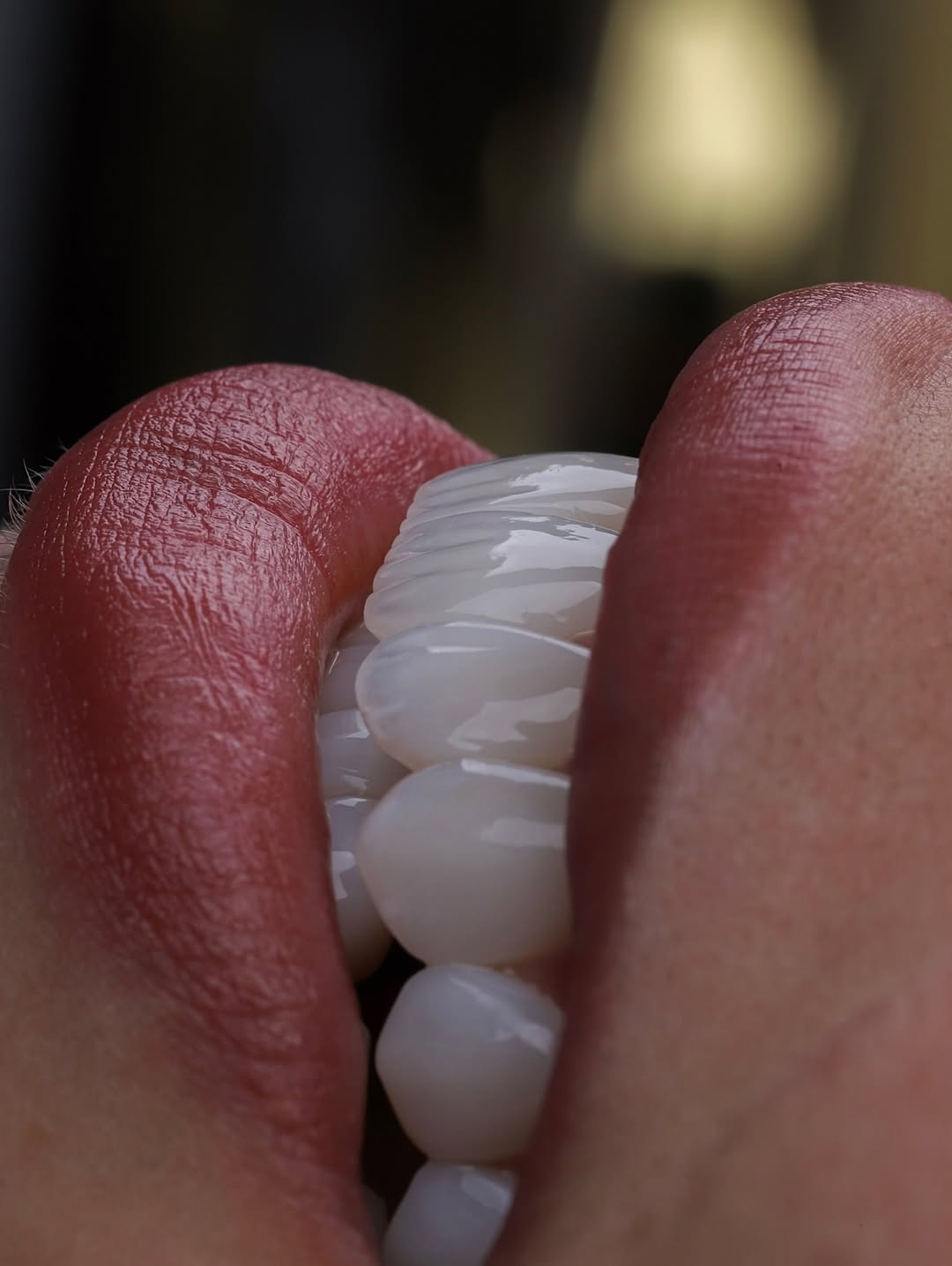
You can preserve your natural tooth structure thanks to the ultra-thin preparation techniques used for smile veneers in Colombia.
Australian Passport: Visa Requirements for Colombia
Australian citizens do not require a visa to visit Colombia for stays of up to 90 days. You present your valid Australian passport at immigration and receive an entry stamp — no pre-registration, no consulate visit, no fees required. Make sure your passport is valid for at least 6 months from your date of entry.
Is the Trip Worth It? The Break-Even Analysis for Australians
This is the central question for Australian patients, given the greater cost and time of travel compared to UK or Canadian patients. The maths is compelling.
All-In Cost Comparison
Consider a patient from Sydney wanting 8 porcelain veneers:
| Option | Estimated Total Cost (AUD) |
|---|---|
| 8 veneers at a Sydney private clinic | AUD 14,400–28,000 |
| 8 veneers + full trip to Medellín from Sydney | AUD 7,500–12,000 |
| Minimum saving | AUD 2,400–20,500 |
The Break-Even Point
Trip costs (flights + accommodation + daily expenses) for a Sydney–Medellín dental trip run roughly AUD 4,500–6,000 in total (excluding the dental treatment itself). At Colombian veneer prices of AUD 350–650 per unit, you only need around 6 veneers to save more on the dental work than you spend on travel and accommodation. Beyond 6 veneers, every additional unit saves you AUD 1,200–2,800 compared to Australian pricing. For a full smile of 10 veneers, even a cautious estimate puts total savings at AUD 6,000–15,000 after all trip costs are accounted for.
The break-even point for Australian patients is meaningfully higher than for UK or Canadian patients due to greater flight costs. However, for anyone considering 6 or more veneers, the financial case is clearly positive.
AHPRA vs Colombian Dental Regulation: What Australians Need to Know
In Australia, all practising dentists must be registered with AHPRA (Australian Health Practitioner Regulation Agency) and the Dental Board of Australia. Registration can be verified online at any time and provides a clear baseline of professional accountability.
How Colombia Regulates Dentistry
Colombia has its own formal dental regulation framework. All Colombian dentists must:
- Hold a degree from an accredited university (Colombia’s dental schools include Universidad de Antioquia, Universidad Pontificia Bolivariana, and CES — all internationally respected institutions)
- Hold a Tarjeta Profesional (professional licence) issued by the Colombian government
- Be registered with the Tribunal Ético de Odontología, Colombia’s professional ethics body
Ask any Colombian dental clinic to provide the treating dentist’s Tarjeta Profesional number and university credential before committing to treatment. Reputable clinics like Doctor Yazmin will share these without hesitation.
What to Tell Your Australian Dentist on Return
When you return home, any AHPRA-registered dentist can examine and assess your veneers. Bring a full treatment summary from Doctor Yazmin, including the ceramic material, shade guide used, bonding protocol, and any follow-up care instructions. This makes ongoing maintenance in Australia entirely routine.
Health Insurance: OSHC, Travel Insurance, and Elective Procedures Abroad
For Australian patients, understanding insurance coverage is important before travelling for dental work.
Medicare and Private Health Insurance
Medicare does not cover dental care. Australian private health fund extras typically include some dental coverage, but cosmetic procedures like veneers are almost universally excluded. Even if your extras cover restorative dental work, treatments performed abroad are typically not claimable. Check your policy’s “overseas dental” clause specifically — most funds exclude it entirely for planned procedures.
Overseas Student Health Cover (OSHC)
OSHC covers international students in Australia and is not relevant to outbound dental tourism. Do not confuse it with travel insurance for medical care abroad.
Travel Insurance Recommendation
Purchase a comprehensive travel insurance policy that covers emergency medical care, dental emergencies (not elective procedures), medical evacuation, and trip cancellation. It will not cover the cost of your veneers, but it protects you against unforeseen medical events while you’re in Colombia. Australian providers including Cover-More, Allianz Australia, and NIB Travel offer policies compatible with dental tourism trips.
Materials: TGA Equivalence and INVIMA Registration
In Australia, dental materials used in clinical practice must comply with TGA (Therapeutic Goods Administration) standards. Colombia uses a parallel regulatory system called INVIMA (Instituto Nacional de Vigilancia de Medicamentos y Alimentos) to regulate medical and dental devices and materials.
What to Ask
When consulting with a Colombian dental clinic, ask specifically:
- Which ceramic brand do you use for veneers? Leading clinics use brands such as IPS e.max (Ivoclar Vivadent) or VITA ceramics — the same brands used in Australia’s top cosmetic clinics.
- Is this material INVIMA-registered? Reputable clinics exclusively use INVIMA-registered materials.
- What bonding system do you use? Established adhesive systems (such as those from 3M or Kuraray) should be used.
Doctor Yazmin’s clinic uses internationally recognized ceramic materials that carry equivalent quality benchmarks to TGA-compliant products used in Australia. You can request the exact product specifications in writing before your appointment.
Managing the Long Flight After Treatment: Sensitivity Considerations
After veneer placement, it is normal to experience some tooth sensitivity for 24–72 hours. For Australians facing a 20–26 hour return journey, this deserves some advance planning.
Practical Tips
- Wait 24 hours before flying if possible: If your treatment timeline allows, plan a rest day in Medellín before your departure. This gives initial sensitivity time to settle and allows you to eat and hydrate comfortably before the flight.
- Sensitivity toothpaste: Use a sensitivity toothpaste in the days before and after treatment. Doctor Yazmin’s team can recommend appropriate products available in Medellín.
- Avoid temperature extremes mid-flight: Very hot coffee or very cold drinks can exacerbate post-treatment sensitivity. Stick to room-temperature water for the first 24–48 hours after placement.
- Soft food on the flight: Avoid very hard foods (nuts, hard bread) on the return flight to avoid placing excess stress on newly bonded veneers.
- Over-the-counter pain relief: Ibuprofen or paracetamol (as appropriate for your health situation) can manage any mild sensitivity effectively during the journey home.
Most patients find that by day 3–4 post-placement, sensitivity is minimal or absent. With proper planning, the return flight is manageable and comfortable.
Best Time of Year to Visit Medellín from Australia
Medellín sits at roughly 1,500 metres altitude and has a remarkably consistent, spring-like climate year-round — earning it the nickname La Ciudad de la Eterna Primavera (City of Eternal Spring). Temperatures average 22–28°C (72–82°F) throughout the year, which Australian visitors find very comfortable.
Rainy Seasons to Be Aware Of
Medellín has two main rainy seasons:
- April–May: Moderate to heavy afternoon and evening rain
- October–November: The heavier of the two rainy periods
The driest and most comfortable months are December–February and June–August. For Australians, travelling in January–February or July aligns with Australian summer holidays and school holiday periods respectively, making these the most practical windows.
From an Australian Calendar Perspective
- January–February: Australian summer holidays; excellent time to travel (Medellín is dry, cool, and vibrant)
- June–July: Australian school holidays; Medellín’s dry season; mild and pleasant for recovery
- April–May: Australian autumn; possible travel window but expect afternoon rain in Medellín
- October–November: Best avoided for comfort — Medellín’s wettest period
Sample Budget: 8 Veneers Trip from Sydney
The following is a realistic cost estimate for an Australian patient travelling from Sydney to Doctor Yazmin’s clinic for 8 porcelain veneers:
| Item | Estimated Cost (AUD) |
|---|---|
| Return flights (Sydney to Medellín via LAX) | AUD 2,000–2,800 |
| Accommodation (8 nights, mid-range hotel in El Poblado) | AUD 700–1,100 |
| 8 porcelain veneers at Doctor Yazmin | AUD 2,800–5,200 |
| Meals, transport, activities | AUD 400–700 |
| Travel insurance | AUD 150–250 |
| Total (approx.) | AUD 6,050–10,050 |
Compare this with AUD 14,400–28,000 for 8 veneers in Sydney. Even at the absolute highest cost scenario for the Colombia trip, you save at minimum AUD 4,350 — and in most realistic comparisons, the saving is AUD 10,000–18,000.
How to Start Planning from Australia
The process is straightforward. Contact Doctor Yazmin’s clinic with your dental X-rays and smile photos before booking any flights. The clinic will assess your suitability for veneers, confirm the number of units required, and provide a full cost breakdown. With that confirmed quote in hand, you can book flights and accommodation knowing your total all-in cost.
The in-house laboratory at Doctor Yazmin means your veneers are fabricated on site, with the ceramist working directly with your treating dentist — a tighter quality control loop than most Australian clinics, where laboratory work is outsourced to external providers. For Australians making the long journey, this integrated process also compresses the treatment timeline so that everything can be completed within one well-planned trip.