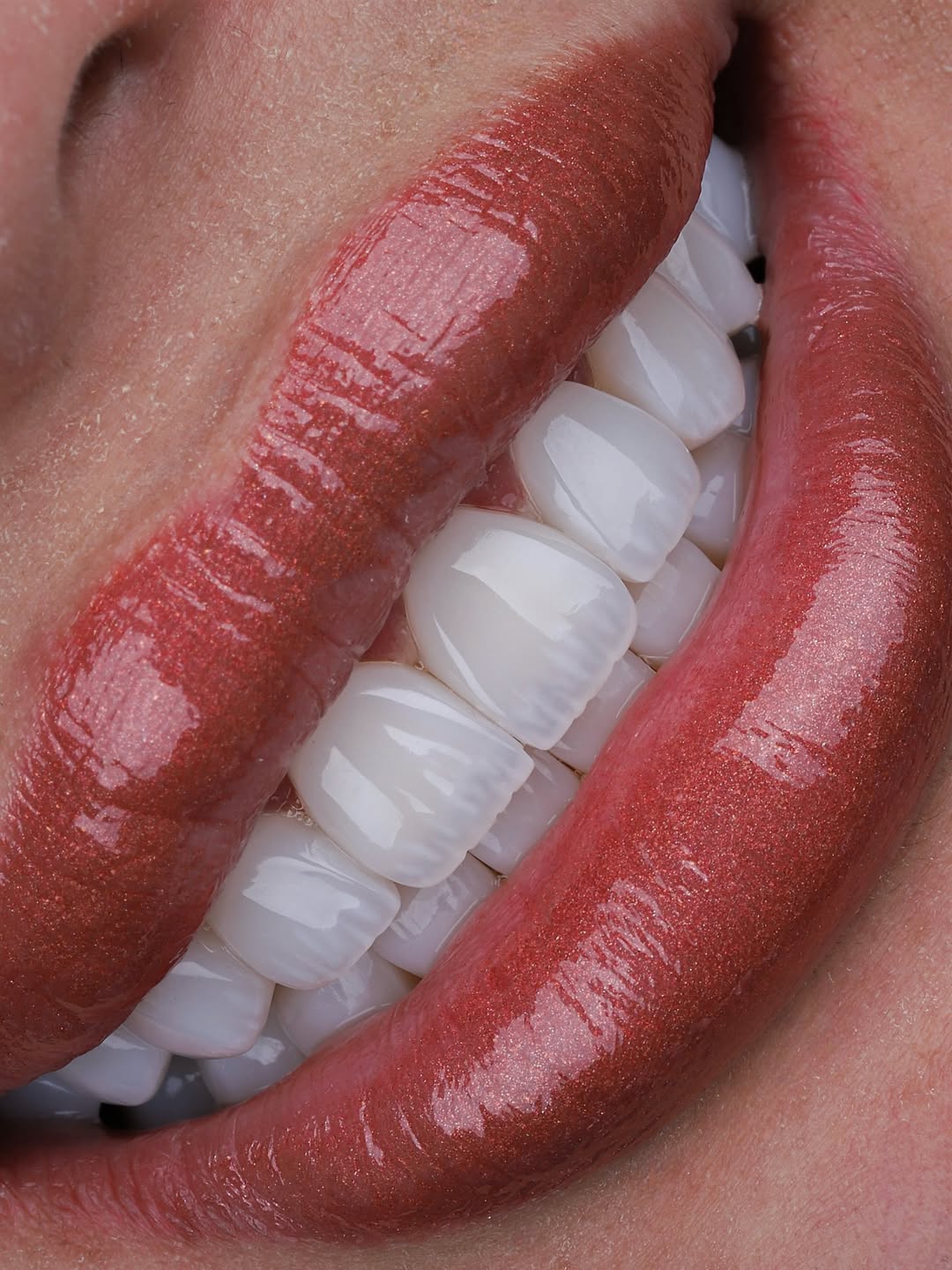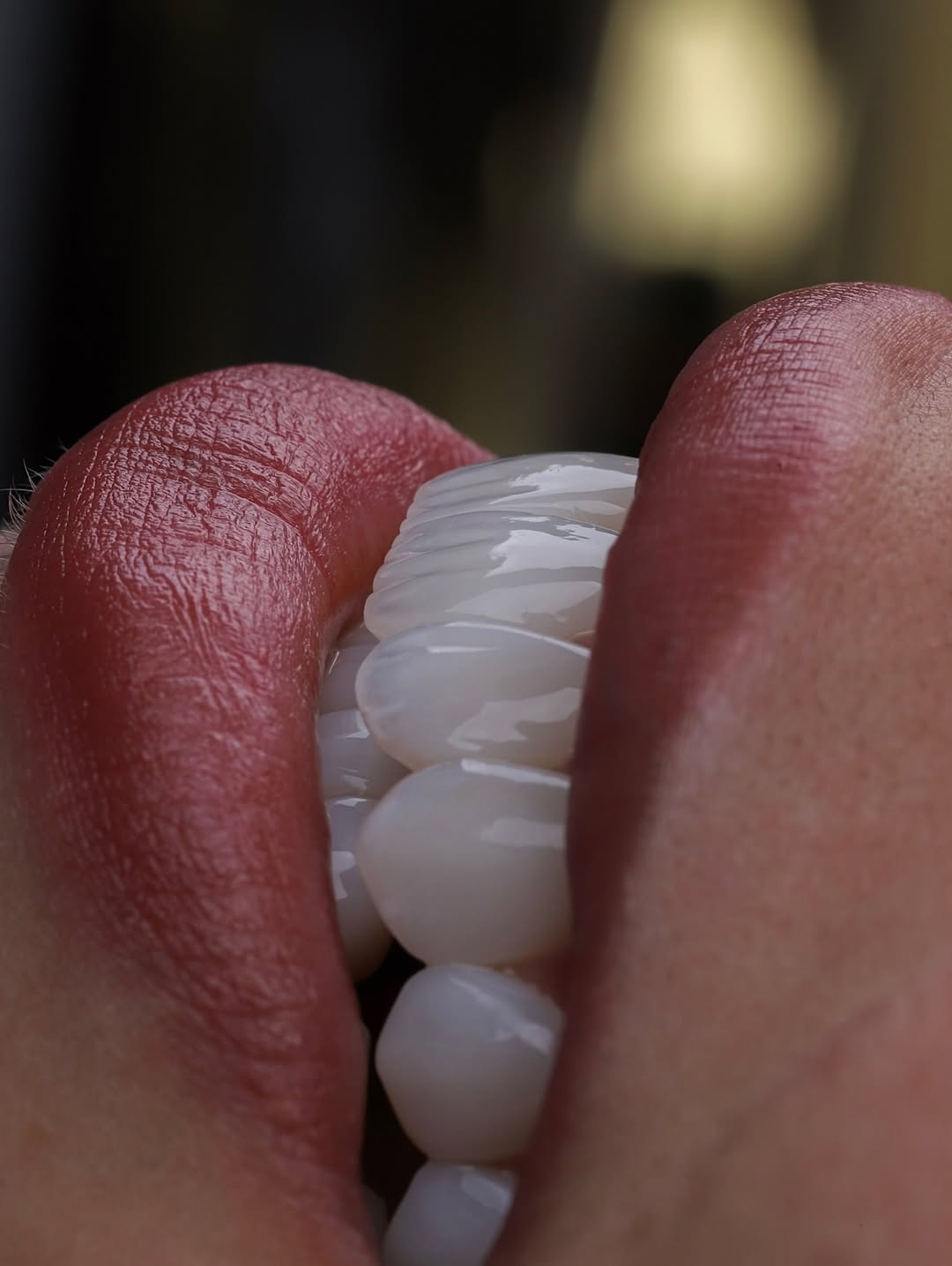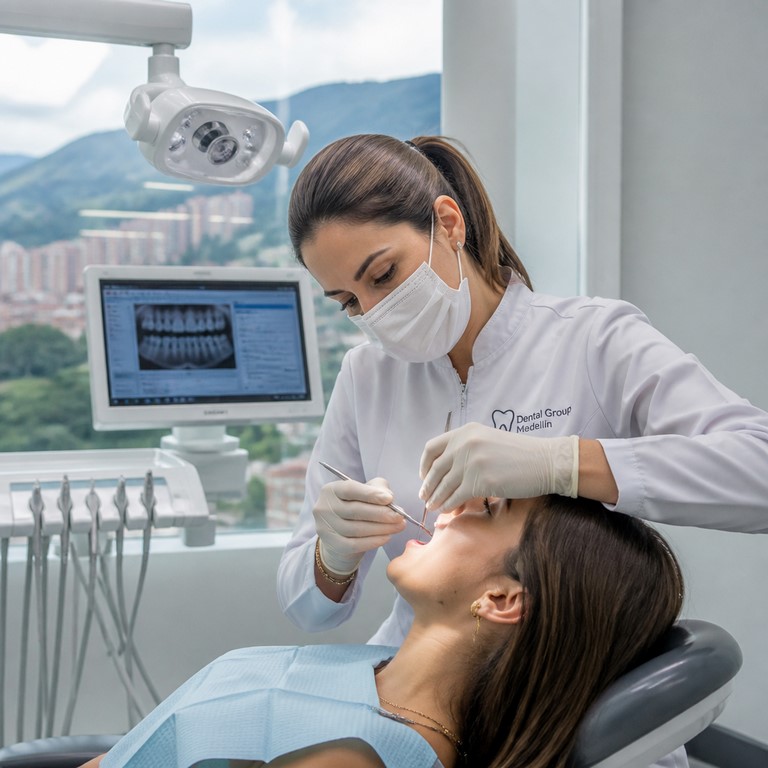
Understanding Dental Crowns: When Are They Actually Necessary?
A dental crown is one of the most common restorative procedures in modern dentistry — and also one of the most misunderstood. Patients often confuse crowns with veneers, or wonder whether a crown is truly necessary when their dentist recommends one. At Doctor Yazmin Dental Clinic in Medellín, Colombia, we believe informed patients make better decisions. This guide explains what crowns are, when they are clinically required, what materials are available, and why Colombia has become a trusted destination for high-quality dental crown work at a fraction of US or European prices.
The same veneers cost up to 70% less in Colombia.
See if you qualify Free video call in English · on WhatsAppIndividual patient experience. Results and pricing are confirmed after a clinical evaluation.
Crown vs. Veneer: What Is the Actual Difference?
A dental veneer is a thin ceramic or composite shell (typically 0.3–0.7 mm) that covers only the front (labial) surface of a tooth. Veneers are a cosmetic solution for front teeth — they improve color, shape, length, and minor alignment without covering the entire tooth structure. They require minimal tooth reduction and are not indicated when a tooth has structural compromise.
A dental crown, by contrast, encases the entire visible tooth above the gumline — all four sides plus the chewing surface. This full coverage provides structural reinforcement that a veneer cannot offer. Crown preparation requires more tooth reduction (typically 1.5–2 mm circumferentially) but in exchange provides protection to a tooth that has been significantly weakened.
When Is a Crown Clinically Required?
Crowns are not an optional upgrade — they are prescribed when the tooth’s structural integrity demands full coverage. The most common clinical indications include:
- Large or failing fillings: When a cavity is too large to be reliably restored with composite or amalgam, a crown distributes occlusal forces across the entire tooth rather than concentrating stress at filling margins.
- Cracked tooth: Cracks in posterior teeth that extend toward the gumline require crown coverage to prevent the crack from propagating and fracturing the tooth in half — an outcome that often results in extraction.
- After root canal treatment: Endodontically treated teeth lose their internal moisture supply, becoming significantly more brittle. Back teeth that have received root canals almost always require a crown to prevent fracture during chewing.
- Implant restoration: Every dental implant requires a crown (the implant itself is the root; the crown is the visible tooth portion).
- Badly broken or decayed tooth: When decay or trauma has destroyed more than 50% of the natural tooth structure, a crown is the only option short of extraction.
- Cosmetic correction of severely compromised front teeth: When a front tooth has been heavily filled, broken, or discolored internally, a crown provides both structural support and aesthetic restoration simultaneously.
Crown Materials Available in Colombia
Material selection for dental crowns has evolved significantly over the past decade. At our clinic in Medellín, we work with all major crown materials through our in-house ceramic lab:
Porcelain-Fused-to-Metal (PFM)
PFM crowns were the gold standard for decades. A metal substructure (typically a non-precious or semi-precious alloy) is covered with layers of porcelain to simulate tooth color. The advantage is strength; the disadvantages are the dark metal margin that often becomes visible at the gumline over time as gum recession occurs, and the slightly grayer, less translucent appearance compared to all-ceramic options. PFM crowns are now largely reserved for specific clinical situations or patients with budget constraints.
Get your veneers in Colombia for up to 70% less.
In the US, 20 porcelain veneers run $30,000–$50,000. With Dr. Yazmin in Medellin, it's $6,900, all-inclusive.
Individual patient experience. Prices, inclusions and results are confirmed after a clinical evaluation. A full evaluation is required before any treatment.
Full Zirconia
Zirconia (zirconium dioxide) is a high-strength crystalline ceramic. Monolithic full-zirconia crowns are milled from solid zirconia blocks and are the strongest all-ceramic restoration available — they can withstand the same bite forces as metal. Their translucency has improved substantially with third- and fourth-generation zirconia formulas, making them appropriate for both posterior and anterior teeth. Zirconia crowns are the most requested material at our clinic for posterior teeth because of their combination of strength, biocompatibility (metal-free), and white appearance.
Your friends and family will be amazed by the natural brilliance of your new porcelain dental veneers in Colombia when you return home.
E.max Lithium Disilicate
IPS e.max (Ivoclar Vivadent) lithium disilicate crowns are the benchmark for anterior (front tooth) aesthetics. The glass-ceramic structure has natural light transmission properties that closely mimic real enamel — light enters the crown and scatters internally, producing the translucency and depth that distinguishes a crown fabricated in e.max from one that looks flat or opaque. E.max is the material of choice when the aesthetic outcome is the primary concern, such as crowning a central incisor that will be visible at close range.
PMMA Temporary Crowns
PMMA (polymethyl methacrylate) acrylic is used for provisional or temporary crowns while the definitive restoration is being fabricated. Well-made temporaries are essential — they protect the prepared tooth, maintain function and spacing, and allow the patient to evaluate the shape and length of the final crown before it is permanently cemented.
Dental Crown Cost in Colombia vs. USA, Canada, UK, and Australia
The cost differential for dental crowns between Colombia and North America or Europe is substantial. Here is a realistic comparison:
Colombia (Medellín) — Doctor Yazmin Clinic
- PFM crown: $250–350 USD
- Full zirconia crown: $350–500 USD
- E.max lithium disilicate crown: $400–500 USD
United States
- PFM crown: $1,200–1,800 USD
- Full zirconia crown: $1,500–2,500 USD
- E.max crown: $1,500–2,500 USD
Canada
- All-ceramic crown: CAD $1,000–2,000
United Kingdom
- All-ceramic crown (private): £600–1,200 GBP
Australia
- All-ceramic crown: AUD $1,500–2,800
A patient needing four crowns in the United States might pay $6,000–10,000. The same four zirconia crowns at Doctor Yazmin’s clinic in Medellín would typically cost $1,400–2,000 USD total — a savings that easily offsets the cost of flights and accommodation in Colombia, with money remaining.
The Crown Procedure: What to Expect at Each Appointment
Understanding the treatment sequence reduces anxiety and helps you plan your trip appropriately if you are a dental tourism patient.
Appointment 1: Examination and Treatment Planning
X-rays, clinical examination, and assessment of the tooth to confirm that crown treatment is indicated. If a root canal is needed before crowning, this is identified and scheduled first. Shade selection for aesthetic cases.
Appointment 2: Tooth Preparation and Temporary Crown
The dentist prepares the tooth by reducing it circumferentially and occlusally to create space for the crown material. Digital or physical impressions are taken of the prepared tooth and the surrounding teeth to guide the lab. A temporary PMMA crown is fabricated and cemented with temporary adhesive, protecting the tooth while the definitive crown is made. This appointment typically takes 60–90 minutes.
Lab Fabrication
This is where the in-house lab advantage at Doctor Yazmin’s clinic becomes significant. External dental labs typically take 7–14 business days. Our in-house ceramic lab can produce a final zirconia or e.max crown in 2–3 working days. The ceramist and dentist communicate directly, reviewing the case together and making adjustments without the delay of external logistics. For dental tourism patients, this means the entire crown procedure — from preparation to final placement — can be completed in a single week.
Appointment 3: Try-In and Final Cementation
The final crown is placed onto the prepared tooth without cement first (the “try-in”) to verify fit, occlusion, and aesthetics. Margins are checked around the gumline. Contact points with adjacent teeth are verified with dental floss. Color is confirmed in natural light. Minor adjustments are made before final cementation with permanent adhesive resin.
Zirconia vs. E.max: Choosing the Right Material
The clinical decision between zirconia and e.max is driven by two factors: location in the arch and aesthetic demand.
- Posterior teeth (premolars, molars): Full zirconia is almost always preferred. These teeth absorb significant bite forces — up to 150 kg in the molar region — and e.max, while beautiful, has a higher fracture risk under heavy occlusal load on posterior teeth. Zirconia’s compressive strength (900–1,200 MPa) makes it essentially fracture-proof in normal use.
- Anterior teeth (incisors, canines): E.max lithium disilicate produces superior aesthetics. When the central incisors need crowning — either after root canals, trauma, or as part of a full-mouth rehabilitation — the natural translucency of e.max is difficult to match with zirconia, even with the newer high-translucency formulations. The dentist and ceramist together evaluate whether the bite load on the front teeth is light enough to use e.max safely.
- Full-arch rehabilitation: Anterior e.max + posterior zirconia is the most common material combination for full-mouth smile makeovers, balancing aesthetics at the front with durability at the back.
Lifespan and Long-Term Care
With proper care, high-quality dental crowns last 10–20 years and sometimes longer. The factors that most shorten crown lifespan are:
- Bruxism (teeth grinding) without a night guard — this is the single fastest way to damage any crown material
- Biting hard objects (ice, pen caps, hard candy)
- Poor marginal hygiene leading to secondary caries at the crown-tooth interface
- Gum disease causing bone loss and eventual crown instability
Caring for a crown is straightforward: brush twice daily, floss daily (taking care to slide the floss under the gumline at the crown margin rather than snapping it), and attend routine cleanings every 6 months. If you grind your teeth, a custom night guard is essential.
Red Flags When Getting Crowns Abroad
Dental tourism for crowns is safe and successful at reputable clinics, but there are genuine risks at low-quality operations. Watch for these warning signs:
- Temporaries left in place too long: PMMA temporary crowns are not sealed adequately for long-term use. If a clinic asks you to fly home with temporaries and return in 3–4 weeks, this is sometimes appropriate — but if it is because the clinic is overbooked or disorganized, secondary decay can develop under the temporary during the wait.
- Poor margin fit: A crown with an open margin (a visible gap between crown edge and tooth) allows bacteria to enter, leading to secondary decay beneath the crown. This is impossible to detect without an X-ray or probing. Ask to see a pre-cementation margin check photograph.
- No occlusal adjustment: A crown that is even 0.1 mm too tall will cause the patient to bite prematurely on that tooth, leading to jaw pain, headache, and potential tooth or crown fracture. Bite adjustment after final placement is not optional — it is a required step.
- No X-ray before and after: Pre-operative X-rays confirm the tooth’s root and bone status. Post-operative X-rays verify seating and margin integrity. Clinics that skip these are operating below standard of care.
Why Doctor Yazmin’s Clinic in Medellín
Colombia has become a premier dental tourism destination not because it offers bargain-basement dentistry, but because the cost structures in Colombia allow well-trained dentists to use the same international materials and technology — Ivoclar e.max, zirconia milling systems, CEREC-compatible digital impressions — at prices that reflect local operating costs rather than North American overhead and insurance billing complexity.
At Doctor Yazmin’s clinic, our in-house ceramic lab is the specific differentiator for crown cases. The ceramist and dentist work side by side on every restoration, reviewing shade, margin, and form together before the crown ever reaches the patient’s mouth. For dental tourism patients, this means fewer appointments, faster turnaround, and no surprises on the final result.