What Is Full Mouth Rehabilitation?
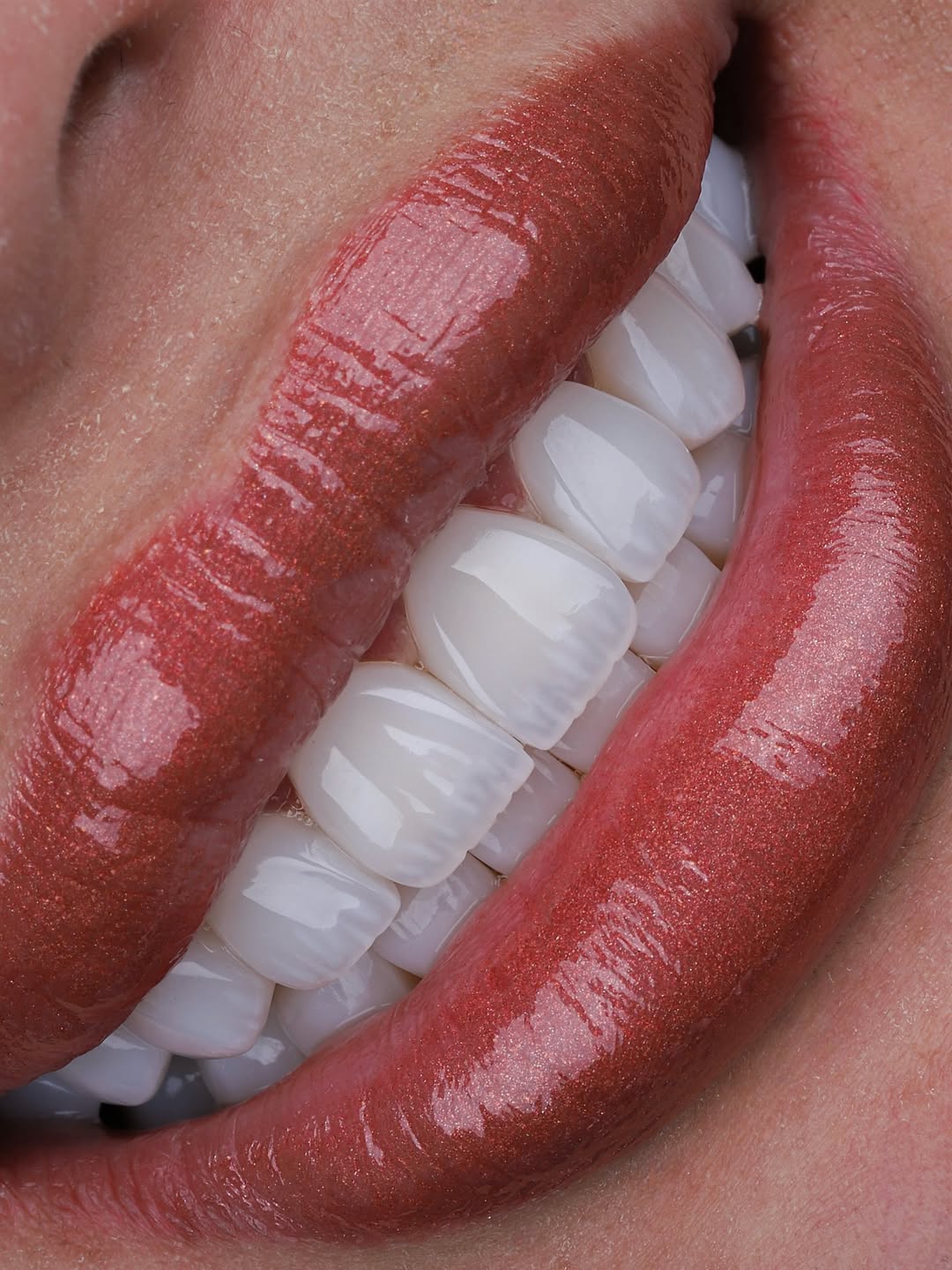
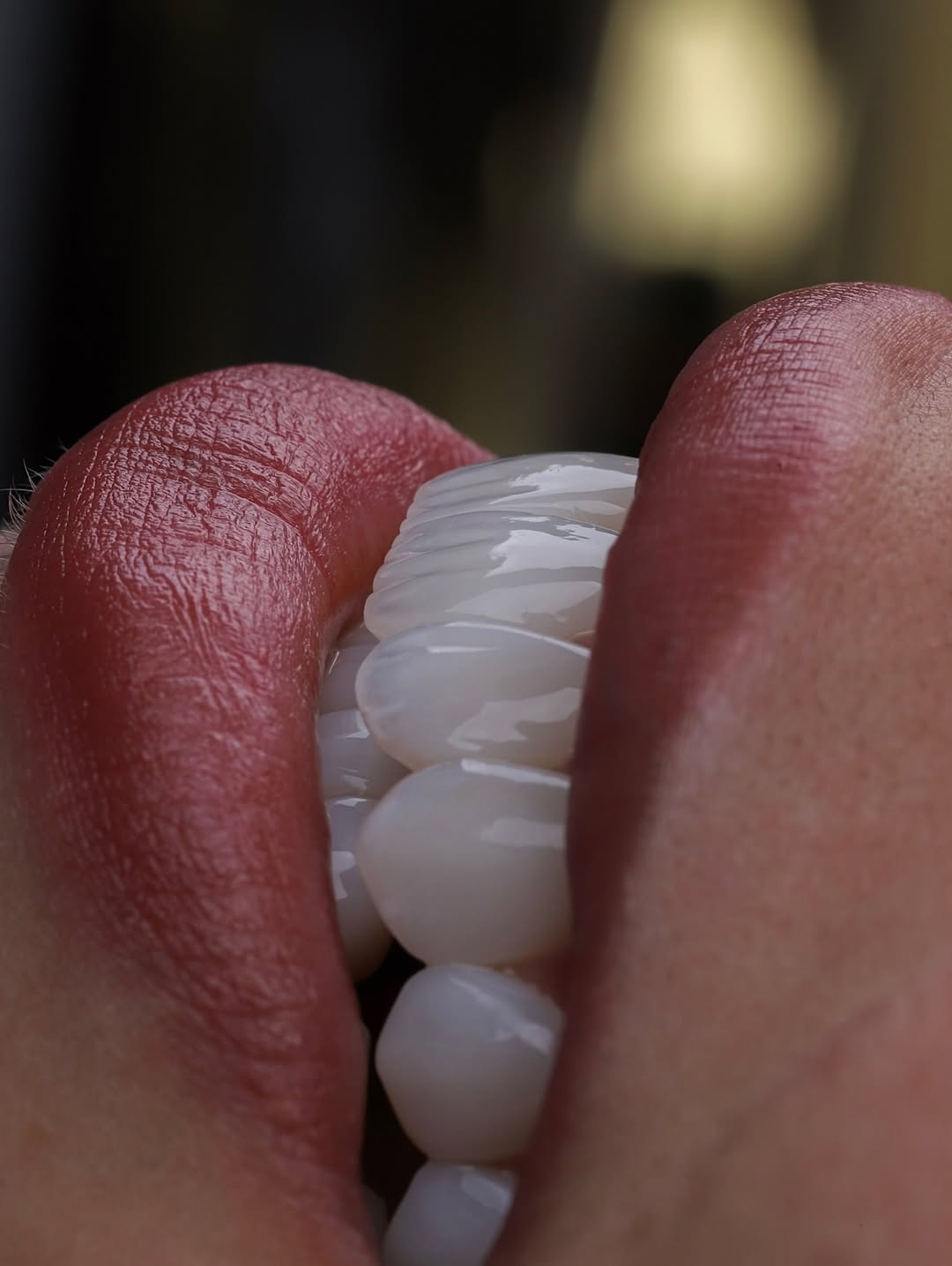
Full mouth rehabilitation (FMR) — also called full mouth reconstruction — is a comprehensive treatment approach that addresses every tooth in the mouth simultaneously, restoring both function and aesthetics from the ground up. It is fundamentally different from a cosmetic smile makeover, even when the end result looks similar.
The same veneers cost up to 70% less in Colombia.
See if you qualify Free video call in English · on WhatsAppIndividual patient experience. Results and pricing are confirmed after a clinical evaluation.
Where a smile makeover focuses primarily on the visible front teeth and aesthetic outcomes, full mouth rehabilitation is a clinical process designed to restore a patient’s bite, eliminate pain, repair structural damage, replace missing teeth, and create a stable occlusion (bite relationship) that will last decades. Aesthetics are part of the outcome — but they’re built on a foundation of functional rehabilitation.
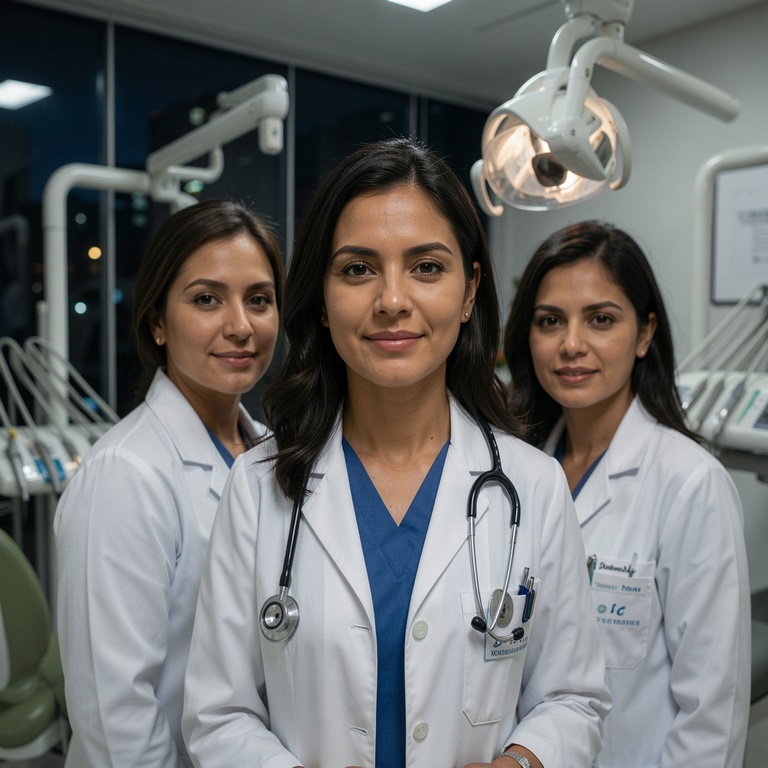
At Doctor Yazmin’s clinic in Medellín, patients who present for a “smile makeover consultation” are first evaluated for signs of underlying functional problems. A patient who needs FMR but receives only cosmetic veneers is at high risk for early failure — and that failure is not the veneer’s fault.
Who Needs Full Mouth Rehabilitation vs. Who Just Needs Veneers
This distinction is one of the most important assessments in cosmetic and restorative dentistry. Getting it wrong costs thousands of dollars and years of frustration.
Signs You May Need Full Mouth Rehabilitation
- Severe tooth wear: Teeth that have worn flat or lost significant vertical height, typically due to bruxism (grinding), acid erosion, or both
- Multiple missing teeth: Gaps that have caused neighboring teeth to drift and the bite to shift — creating a functional problem, not just an aesthetic one
- Collapsed bite (loss of vertical dimension): The distance between the upper and lower jaw has decreased because teeth have worn down or been lost; the face may look “sunken” or aged
- Multiple failing restorations: Old crowns, bridges, or large fillings across many teeth that are cracking, leaking, or failing simultaneously
- TMJ dysfunction: Jaw pain, clicking, limited opening, or chronic headaches associated with bite imbalance
- Broken teeth in multiple quadrants: Not one fractured tooth, but a pattern of structural failure across the mouth
Signs a Smile Makeover (Not FMR) Is Appropriate
- Teeth are structurally sound with minimal wear
- No missing teeth (or only one or two gaps not affecting the bite)
- Bite is stable and comfortable — no jaw pain, no clicking
- The primary concerns are color, shape, and proportion of anterior teeth
- Existing restorations are sound and few in number
A thorough clinical examination, including bite analysis and imaging, will clarify which pathway is appropriate. If there is any doubt, diagnostic records — not a gut feeling — should drive the decision.
What Full Mouth Rehabilitation Typically Involves
FMR is not a single procedure. It is a multi-stage treatment plan that may involve several specialists working in coordination over months. The specific components depend entirely on the patient’s presentation, but a complete FMR case may include:
Get your veneers in Colombia for up to 70% less.
In the US, 20 porcelain veneers run $30,000–$50,000. With Dr. Yazmin in Medellin, it's $6,900, all-inclusive.
Individual patient experience. Prices, inclusions and results are confirmed after a clinical evaluation. A full evaluation is required before any treatment.
The transparency in pricing for veneers in Medellín gives international patients complete confidence before they travel.
Restorative and Prosthetic Components
- Dental implants: For missing teeth; requires osseointegration time (3–6 months) before final crowns are placed
- Bone grafting: Often required before implants if bone volume has been lost after tooth extraction
- Full-coverage crowns: For severely broken down, heavily restored, or structurally compromised teeth
- Porcelain veneers: For anterior teeth that are structurally intact but need reshaping
- Onlays and inlays: For posterior teeth with significant decay or worn cusps where a full crown is not yet necessary
- Fixed or removable bridges: For multiple missing teeth in sequence
Occlusal and Functional Components
- Occlusal splint therapy: A hard nightguard or deprogrammer worn before treatment to allow the muscles and jaw joint to decompress and establish a stable, relaxed bite position
- Vertical dimension restoration: If the bite has collapsed, treatment opens the vertical dimension — essentially rebuilding the height of the bite across all posterior teeth to restore proper facial proportions
- TMJ management: Collaboration with a specialist if the jaw joint is involved
Periodontal and Soft Tissue Components
- Deep cleaning and periodontal therapy if gum disease is present — this must be completed before any restorative work begins
- Gum contouring for symmetry and crown lengthening where needed
- Soft tissue grafts if there is gum recession exposing root surfaces
Orthodontic Component
In some FMR cases, orthodontics is incorporated to correct tooth position before final restorations — moving teeth into alignment reduces the amount of tooth structure that must be removed for crowns or veneers and creates a more stable long-term result.
Timeline: Full Mouth Rehabilitation Is Not a 3-Day Procedure
This is the most important expectation to set clearly. Patients who arrive expecting a full mouth reconstruction in a single week-long visit will be disappointed — or worse, will receive rushed treatment that fails prematurely.
Realistic FMR Timeline by Complexity
| Case Type | Estimated Duration | Trips Required |
|---|---|---|
| Full arch crowns/veneers only (no implants, no bone work) | 2–4 weeks (single trip) | 1 extended trip |
| FMR with implants (simple cases, no bone grafting) | 4–6 months | 2–3 trips |
| FMR with bone grafts + implants + crowns | 6–12 months | 3–5 trips |
| Complex FMR with bite reconstruction + TMJ + orthodontics | 12–24 months | Extended or multiple trips |
Patients who cannot commit to multiple trips or an extended stay should discuss this upfront. Some FMR cases can be phased strategically to accommodate international patients — but the clinical timeline cannot be compressed beyond biological limits (bone and tissue healing have their own schedule).
Full Mouth Rehabilitation Cost in Colombia
FMR in Colombia remains significantly more affordable than in the US, Canada, or Europe — the same 50–70% cost reduction that applies to veneers also applies to implants, crowns, and complex restorative work.
Cost Ranges in Medellín
- Full arch crown/veneer rehabilitation (no implants): $5,000–$9,000
- Full mouth with 4–6 implants + crowns: $8,000–$14,000
- Complex FMR with bone grafts, multiple implants, full coverage: $12,000–$20,000+
- Full arch implant-supported fixed prosthesis (All-on-4 or All-on-6): $8,000–$14,000 per arch
US Cost Comparison
The same FMR case that costs $10,000–$15,000 in Medellín typically runs $30,000–$60,000 in the United States, and $35,000–$70,000+ in Canada or Australia. The savings are substantial enough that patients often justify multiple round trips to Colombia and still come out significantly ahead.
The Diagnostic Phase: Non-Negotiable
No ethical dentist begins a full mouth rehabilitation without a comprehensive diagnostic workup. This phase generates the data that drives every treatment decision. Cutting it short increases the risk of failure and reoperation.
What the Diagnostic Phase Includes
- CBCT (cone beam CT) scan: 3D imaging of the jaw, teeth, and bone — essential for implant planning and assessing bone volume
- Full-mouth periapical X-rays: Individual images of every tooth root and surrounding bone
- Mounted study models: Physical casts of your teeth mounted on an articulator to simulate and analyze bite movement outside the mouth
- Occlusal analysis: Assessment of bite forces, contacts, and jaw movement patterns
- Periodontal charting: Measuring gum pocket depth at every tooth to identify disease or recession
- Photographs and digital smile design: Comprehensive smile and facial analysis
- TMJ assessment: Joint imaging and muscle palpation if jaw pain is present
At Doctor Yazmin’s clinic in Medellín, the diagnostic phase is completed before any treatment cost is finalized. A patient cannot receive an accurate FMR quote without full records — any clinic that quotes a fixed price without records is guessing.
Why FMR Requires a Different Planning Mindset
Cosmetic veneer cases are primarily aesthetic decisions: color, shape, length. Full mouth rehabilitation is a functional engineering problem. The bite must be rebuilt in a physiologically correct position, every restoration must integrate with every other restoration, and the final result must be stable under the loads of chewing, clenching, and day-to-day use for years.
This means that FMR cases require a dentist who is trained not just in crown and veneer placement, but in occlusion, bite analysis, implant planning, and often multi-specialty coordination. The cosmetic result is the final layer, applied after the functional foundation is correct — not the other way around.
How to Know If You Need Full Mouth Rehabilitation
These are the clinical signs that suggest a consultation for FMR rather than a cosmetic makeover:
- Your teeth look noticeably shorter than they did 10 years ago
- The biting edges of your front teeth are flat or chipped consistently
- You have jaw pain, morning headaches, or wake up with a sore jaw
- You’ve broken multiple fillings or crowns in the last few years across different parts of your mouth
- You’ve been told by a previous dentist that you grind heavily and your teeth show it
- You’re missing several teeth and your bite feels “off” when you close
- A dentist has recommended a full set of crowns across your entire mouth
Key Questions to Ask Before Starting Full Mouth Rehabilitation in Colombia
If you’re considering FMR abroad, due diligence is not optional. Ask every clinic these questions before committing:
Clinical and Planning Questions
- Will I receive a written treatment plan with each procedure itemized and sequenced? A verbal overview is not sufficient — you need a document you can review, question, and reference throughout treatment.
- Who performs each component of the treatment? FMR often involves a periodontist, oral surgeon, and prosthodontist. Clarity on who does what prevents surprises mid-treatment.
- What is the protocol if an implant fails to integrate? Implant failure is a known complication; the question is not whether it can happen but what the clinic’s policy is when it does.
- What diagnostic records will be taken before treatment begins, and will I receive copies? You should always leave Colombia with your CBCT scan, X-rays, and treatment plan in hand.
- How will follow-up be managed after I return home? FMR requires monitoring. You need a clear protocol for remote follow-up, what triggers a return trip, and how urgent issues are handled by a dentist in your home country.
- What is the warranty on restorations? Know what is covered, for how long, and under what conditions (proper home care, nightguard use, attendance at recall appointments).
Full Mouth Rehabilitation in Medellín: The Doctor Yazmin Approach
Doctor Yazmin’s clinic in Medellín approaches FMR as a phased, evidence-based process. The diagnostic records drive the treatment plan — not the other way around. Every FMR case begins with a comprehensive evaluation, a mounted model analysis, and a written plan that the patient reviews and approves before any clinical work begins.
The in-house laboratory at the clinic means that every restoration — crowns, veneers, implant abutments — is fabricated under the direct supervision of the treating dentist, with the ceramist available for real-time adjustments during try-in appointments. This level of coordination is not possible when restorations are outsourced to external labs, and it is the difference between a result that looks natural and one that looks dental.
For international patients considering FMR, the clinic works with you to structure the treatment in logical phases that align with your travel schedule — minimizing trips while ensuring that no clinical step is rushed beyond what biology allows. If your case requires implants, bone grafts, or orthodontic preparation, you will know this before your first trip — and the timeline will be yours to plan accordingly.