Ten Years In: An Honest Assessment
There is no shortage of veneer content that reads like marketing material — before-and-after photos, transformational testimonials, glowing five-star reviews from patients who are three months post-procedure. What is harder to find is an honest account of what the veneer experience looks like a decade later, when the initial excitement has passed and the practical realities of living with a permanent cosmetic decision have fully materialized.
The same veneers cost up to 70% less in Colombia.
See if you qualify Free video call in English · on WhatsAppIndividual patient experience. Results and pricing are confirmed after a clinical evaluation.
This piece is that account. It draws on what patients consistently report after ten or more years — what has held up, what has changed, what they wish someone had told them upfront, and what advice they pass on to people considering veneers now.
The goal is not to discourage veneers. Most long-term veneer patients, when asked directly, say they would do it again. The goal is to set expectations accurately, because the gap between expectation and reality is the primary source of regret — not the veneers themselves.
What Typically Holds Up Well After 10 Years
Color Stability of Porcelain
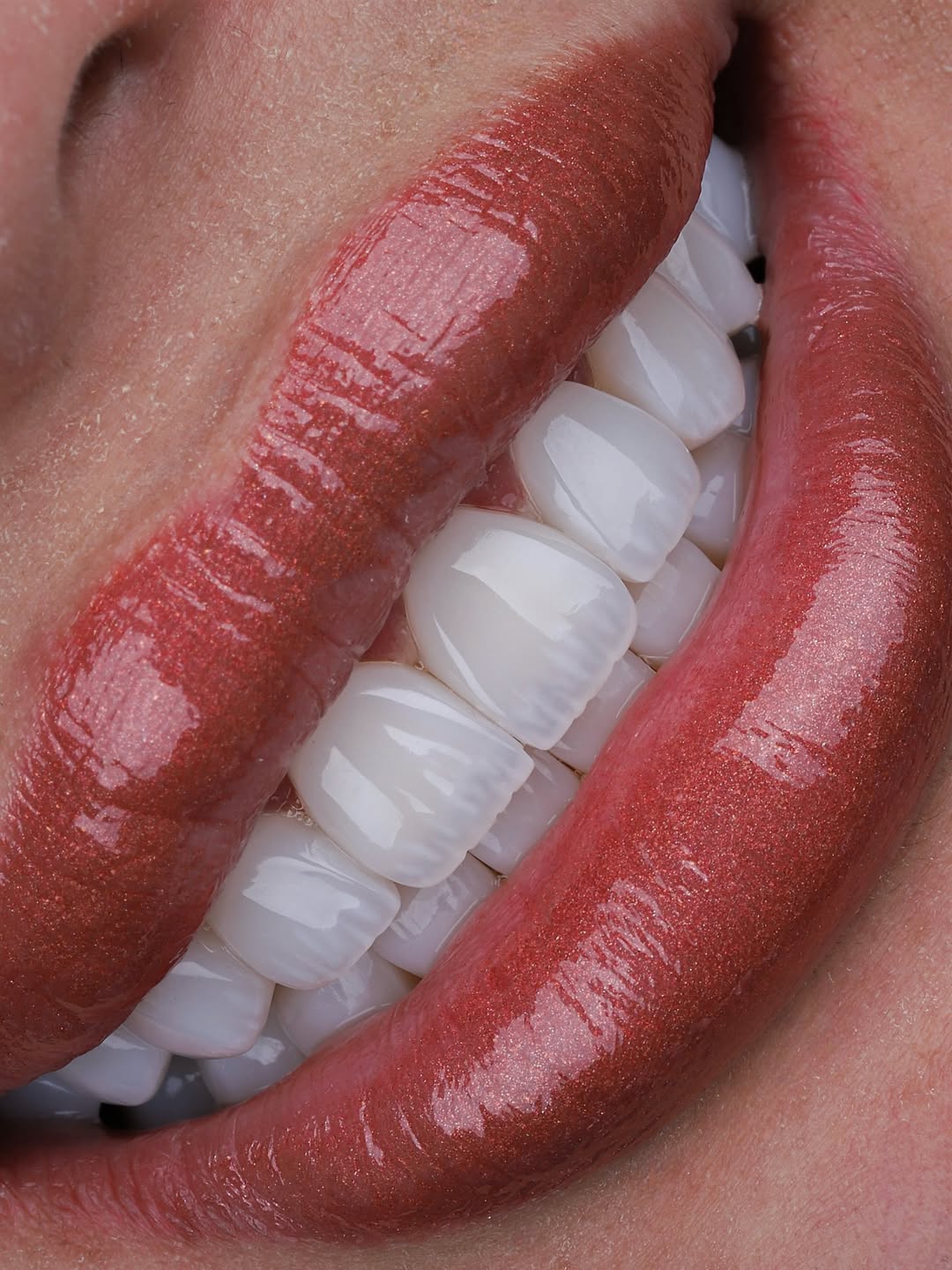
This is genuinely one of the great advantages of porcelain veneers, and it holds up over time. A well-fabricated, properly polished set of porcelain veneers at the ten-year mark typically still shows color that is close to what was placed. The ceramic material is inherently resistant to staining when the surface glaze remains intact. Patients who maintained regular professional polishing appointments and avoided abrasive toothpastes often find that the color of their veneers looks substantially the same as it did at placement.
This is especially significant when compared to natural teeth and composite restorations, both of which shift considerably over a decade. The relative color stability of porcelain is a meaningful clinical advantage.
The artistic craftsmanship involved in designing veneers in Colombia ensures each tooth looks authentically beautiful.
Get your veneers in Colombia for up to 70% less.
In the US, 20 porcelain veneers run $30,000–$50,000. With Dr. Yazmin in Medellin, it's $6,900, all-inclusive.
Individual patient experience. Prices, inclusions and results are confirmed after a clinical evaluation. A full evaluation is required before any treatment.
Overall Shape and Structural Integrity
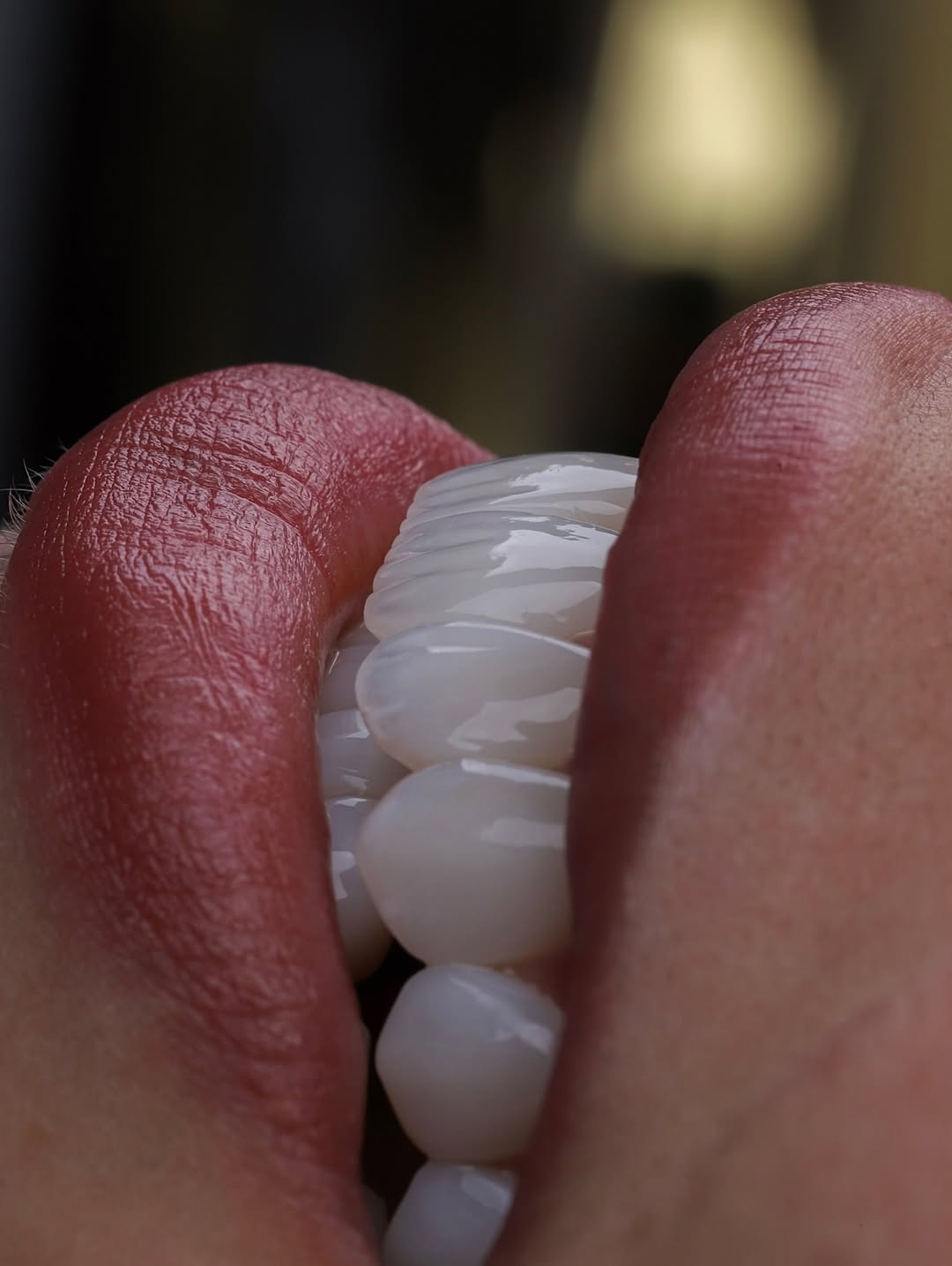
In cases where preparation depth and occlusal design were handled correctly, the physical shape of veneers holds up well. Bonding strength in well-executed porcelain veneer cases is excellent — the majority of veneers placed with proper technique and appropriate patient selection do not debond or fracture in routine function over ten years. Patients who were not bruxers, who wore night guards if prescribed, and who avoided biting hard foods with their front teeth generally report no structural issues at the decade mark.
Confidence: The Consistent Report
Across virtually every patient account, the psychological impact of veneers is consistently positive at ten years. Patients who had significant aesthetic concerns — staining, gaps, chips, disproportionate teeth — report that the confidence improvement has been sustained. This is not a minor point. The functional benefit of the procedure, in terms of quality of life and self-perception, appears durable in a way that the physical material is not always.
What Commonly Changes After 10 Years
Gum Line Shift and Recession
This is the most common source of aesthetic change over a decade, and it is the one patients are least prepared for. Gum tissue naturally recedes with age — slowly and often imperceptibly year to year, but meaningfully over ten years. When the gum line shifts, it exposes the portion of the tooth that was prepared for the veneer but sits below the veneer’s lower edge.
What the patient sees is typically a dark line or color mismatch at the gum margin. The exposed area may be dentin, which is naturally darker than the porcelain above it, or it may be the cement margin. Either way, the smile that looked seamless at placement now shows a visible transition line at the gum.
In patients who had significant gum recession predisposition, or who had veneers placed with a subgingival margin that subsequently became exposed, this change can be substantial by the ten-year mark. It is one of the most frequent reasons for seeking veneer replacement — not because the veneers have failed, but because the anatomy around them has changed.
One or Two Chips Requiring Repair
Over ten years of normal function, minor chipping of one or two veneers is a common experience. The corner of a veneer catching a hard food unexpectedly, a minor impact, a night of forgotten bruxing without the night guard — these are ordinary life events. Small chips can often be repaired with direct composite addition. Whether the repair is visible depends on the skill of the dentist and the location of the chip. A corner chip on a lateral incisor repaired well by an experienced clinician is often invisible. A mid-surface repair on a central incisor is harder to hide.
Patients who were told “veneers are for life, just take care of them” and then experienced a chip often feel disproportionate distress — not because the repair is complex, but because the idea of veneers as permanent and unchanging was set too firmly in their expectations.
Margin Shading and Cement Staining
Even with excellent home care and regular professional cleaning, most patients at ten years show some degree of shading at the cement margins. The composite cement at the veneer edge has absorbed trace amounts of pigment over thousands of brushing sessions, hundreds of meals, and years of exposure. In most cases this is subtle — more visible to the patient who knows to look than to a casual observer. In patients who smoked, drank coffee heavily without regular professional maintenance, or used abrasive toothpastes, margin staining can be pronounced enough to noticeably affect the smile’s appearance.
The Replacement Cycle Reality
This is perhaps the most important piece of information that patients feel was withheld from them: porcelain veneers have a lifespan, and replacement at 10 to 20 years is not a failure — it is the expected outcome.
Clinical literature generally cites porcelain veneer survival rates of around 90 to 95 percent at ten years, meaning the majority of well-placed veneers are still clinically intact at a decade. But “intact” does not mean “looking as it did at placement.” Patients who need replacement at 10, 12, or 15 years are not experiencing a complication. They are experiencing the normal end-of-life of a dental restoration.
The problem is not the replacement cycle itself. The problem is that many patients were never told this at the time of placement. When a practitioner presents veneers as a one-time investment without discussing lifespan, patients interpret replacement as something that should not happen. The surprise — and the cost — can feel like a breach of trust.
The honest framing at placement should be: porcelain veneers are high-quality long-term restorations that typically last 10 to 20 years, after which replacement is the expected path. Plan for it financially and psychologically. A practitioner who skips this conversation is either poorly informed or prioritizing the sale over the patient’s informed consent.
What Patients Regret at the 10-Year Mark
Going Too White
Shade selection at the time of veneer placement is one of the most consequential decisions patients feel they got wrong. The most commonly expressed regret is choosing a shade that is too white — typically the bleached, high-value shades at the extreme end of the VITA scale.
At 25 or 30 years old, a very bright white smile can look attractive and age-appropriate. At 38 or 42, with skin tone slightly different, subtle lines around the eyes, and gum tissue that has shifted, the same shade can look increasingly artificial. Natural teeth in the rest of the mouth age; the porcelain does not. Over time this contrast becomes more apparent, not less.
Patients who chose a natural, age-appropriate shade — slightly off-white, with some translucency at the edges — consistently report greater satisfaction at the ten-year mark than those who chose the whitest available option.
Choosing a Cheaper Clinic That Cut Corners
The consistent finding among patients with poor ten-year outcomes is that the initial decision was based primarily on price. Corners cut at placement — inadequate preparation depth, poor margin design, suboptimal material selection, insufficient occlusal assessment — are not immediately visible. They emerge over years. Veneers that weren’t quite thick enough show graying over time. Margin lines that weren’t properly finished start staining earlier. Occlusal design that wasn’t carefully considered leads to fractures.
The financial math looks different at ten years than it did at placement. A set of veneers that cost 30% less from a budget clinic, plus early replacement, plus repair costs, often totals more than a properly executed case from an experienced clinician would have.
Not Getting a Night Guard
Patients who were not screened for bruxism — or who were screened, diagnosed, and then failed to wear a night guard consistently — account for a disproportionate share of veneer failures before the ten-year mark. The parafunctional forces from grinding can exceed what veneers are designed to withstand. Chipping, fracture, and debonding are all significantly more common in untreated bruxers.
The regret here is almost always framed as: “I knew I should be wearing it but didn’t take it seriously.” Night guard compliance is a behavioral challenge, not a clinical one — but the consequences of non-compliance are real.
What Patients Are Glad About
The confidence improvement is reported with a consistency that is worth acknowledging directly. Patients who had aesthetic concerns that genuinely affected how they smiled, spoke, or presented themselves in professional and social contexts report — almost universally — that this changed substantially after veneers and has not reverted. A decade later, they still smile differently. They are still less self-conscious. That outcome, described again and again across patient accounts, is not trivial.
Most patients at the ten-year mark say they would do it again. Many say they would do it exactly the same way. The more qualified version — “I’d do it again, but differently” — typically involves shade selection, dentist choice, or the night guard question.
The Financial Reality Over 10 Years
A realistic total cost calculation over a decade with veneers includes:
- Initial placement cost (8 to 10 or more units is common for full-smile cases)
- Night guard — typically replaced every few years with regular use
- Bi-annual professional cleaning and polishing appointments (these are not optional)
- One or two minor chip repairs over the decade
- Planning for a replacement cycle at or around the 15-year mark
Patients who did not budget for anything beyond the initial placement are routinely caught off guard. The veneer consultation that includes this honest breakdown of lifetime cost — not just the upfront number — is the exception rather than the rule. It should not be.
The “I Wish I Had Known” List
Asked directly, patients at the ten-year mark consistently name the same things they wish had been explained upfront:
That the preparation is permanent. The tooth structure removed to accommodate veneers is gone. Once you have veneers, your teeth will always require some kind of restoration. This is not hidden, but it is often mentioned so briefly in consultations that patients do not internalize its significance. At ten years, when replacement is on the horizon, the permanence of the decision feels different than it did at 28.
That replacement is inevitable and normal. Not a failure. Not a sign of poor care. A scheduled event that should be in the financial plan from day one.
That bruxism screening matters — and that it needs to be taken seriously. Not a checkbox on a consultation form. An actual conversation about bite habits, morning jaw soreness, and the value of protective wear.
That shade selection ages. The shade that looks perfect on the day of the VITA card selection, against the backdrop of fresh-faced youth, will look different on an older face. Ask your dentist to show you what that shade will look like with slightly warmer skin tone, slightly receded gum tissue. Think ten years forward, not just to your next event.
Practical Advice for New Veneer Patients, from the 10-Year Perspective
Choose your dentist over the deal. The outcome at ten years is almost entirely determined by the quality of the original work. Research credentials, specialization, and case experience before cost.
Get a night guard immediately — and wear it. Not eventually. Not if you remember. On the day your veneers are placed, the night guard conversation should happen. Treat it as non-negotiable.
Document your shade records. Ask your dentist for the exact VITA shade and material used. Store this information somewhere you can find it in ten years. When replacement is needed, this documentation makes achieving a consistent result dramatically easier — and reduces the risk of ending up with a slightly different color that looks mismatched.
Find a local dentist who can do check-ups on your veneers. Even if you had your veneers placed at a specialist clinic elsewhere, establish a relationship with a general dentist near you who is experienced with cosmetic restorations and can perform regular polishing, monitor your margins, and catch early issues before they require major intervention. The hygiene appointment every six months is not a luxury. It is maintenance.
Set realistic expectations about appearance over time. Veneers age differently than natural teeth — but they do age. The smile at year ten will not look identical to year one. The overall goal is a confident, natural-looking smile that you can maintain — not a frozen-in-time photo from your placement day.
The Bottom Line
Ten years with porcelain veneers is, for the vast majority of patients, a net positive experience. The core benefit — a significant, lasting improvement in smile aesthetics and personal confidence — holds up. The restoration itself, when properly placed and maintained, largely holds up too.
What requires adjustment is the mental model that surrounds the experience. Veneers are not permanent. They require professional maintenance. They have a replacement cycle. They age alongside you in ways that shade selection can manage well or poorly. The prep is irreversible.
None of these facts make veneers a poor choice. They make them a serious dental decision that deserves the same careful planning as any major long-term investment. Patients who went in with clear eyes — who understood the commitment, budgeted realistically, chose an experienced clinician, and complied with protective wear — are consistently the patients who are most satisfied at the ten-year mark.
The ones who wish they had known more? They mostly wish they had been told the things above. Pass them on.