Two World-Class Dental Tourism Destinations — But One May Fit You Better
Thailand has been a pillar of medical tourism for decades. Colombia has emerged as a serious challenger in the 2020s. Both countries offer high-quality porcelain veneers at prices that make Western patients reconsider ever paying full domestic rates again. But “both are good” is not a useful answer when you’re planning a trip of several weeks, spending several thousand dollars, and trusting your smile to a clinical team you’ve never met.
The same veneers cost up to 70% less in Colombia.
See if you qualify Free video call in English · on WhatsAppIndividual patient experience. Results and pricing are confirmed after a clinical evaluation.
This comparison covers every major dimension — pricing, quality infrastructure, accreditation, travel logistics by patient origin, language, ceramic systems, and the recovery environment — so you can make a clear decision based on your situation, not on generic dental tourism marketing.
Price Comparison: Colombia vs Thailand for Veneers
Thailand and Colombia sit in a similar price bracket for cosmetic veneers:
See our complete veneers in Colombia cost guide for exact 2026 prices by material and clinic.
- Thailand: $200–$450 USD per veneer at top-tier Bangkok clinics (particularly at hospital-affiliated dental centers like those near Bumrungrad International Hospital). Prices at boutique Chiang Mai or Phuket clinics can be slightly lower.
- Colombia: $200–$400 USD per veneer at reputable cosmetic clinics in Medellín, including those with in-house laboratory facilities.
A full 10-veneer smile makeover in either country typically runs $2,000–$4,500 USD. Compare that to $12,000–$20,000 USD in the United States, $10,000–$16,000 in Canada, or £9,000–£15,000 in the UK, and the savings are substantial regardless of destination.
The total cost picture changes significantly when you factor in flights and accommodation, which is where geography becomes decisive.
Get your veneers in Colombia for up to 70% less.
In the US, 20 porcelain veneers run $30,000–$50,000. With Dr. Yazmin in Medellin, it's $6,900, all-inclusive.
Individual patient experience. Prices, inclusions and results are confirmed after a clinical evaluation. A full evaluation is required before any treatment.
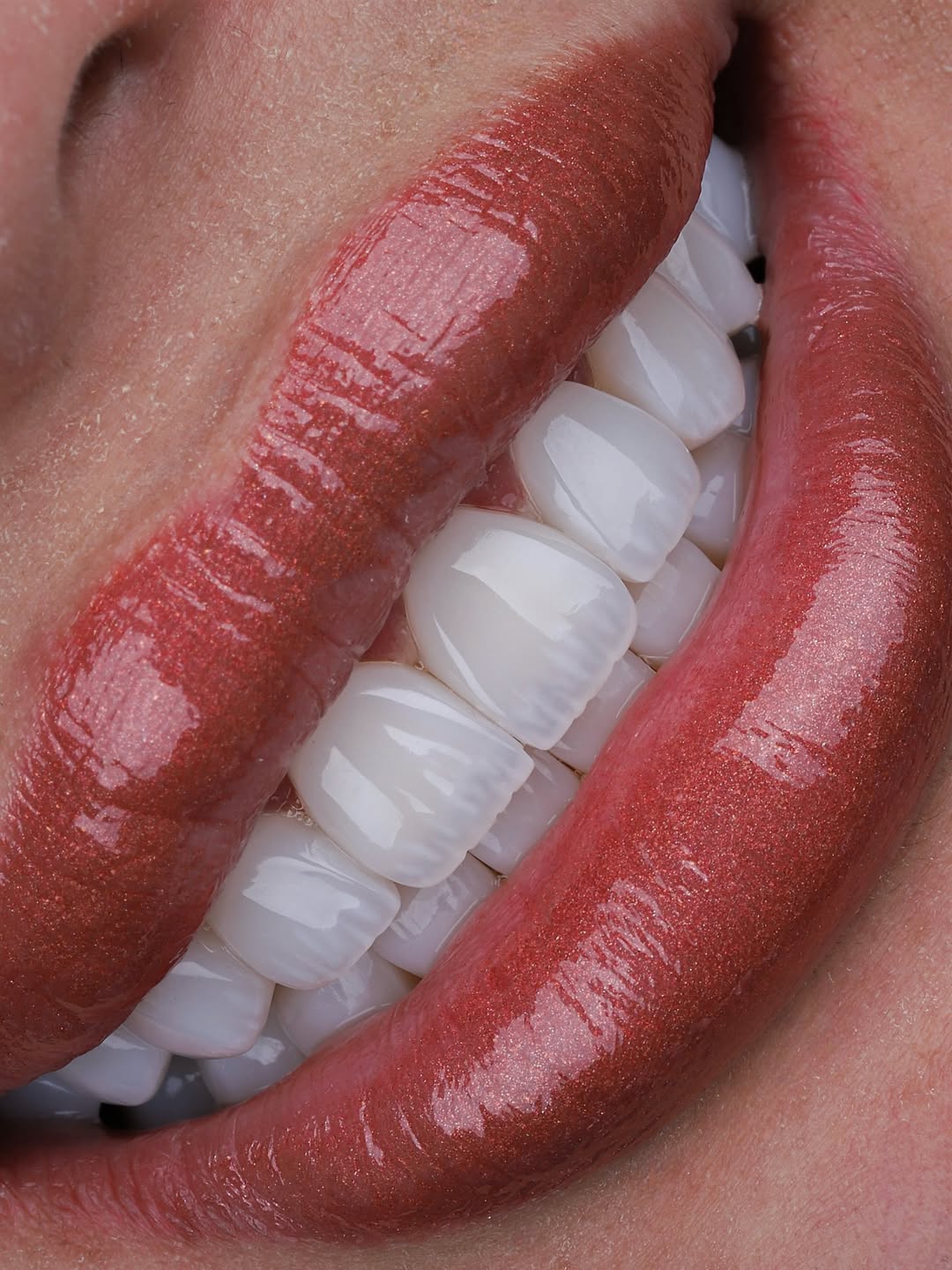
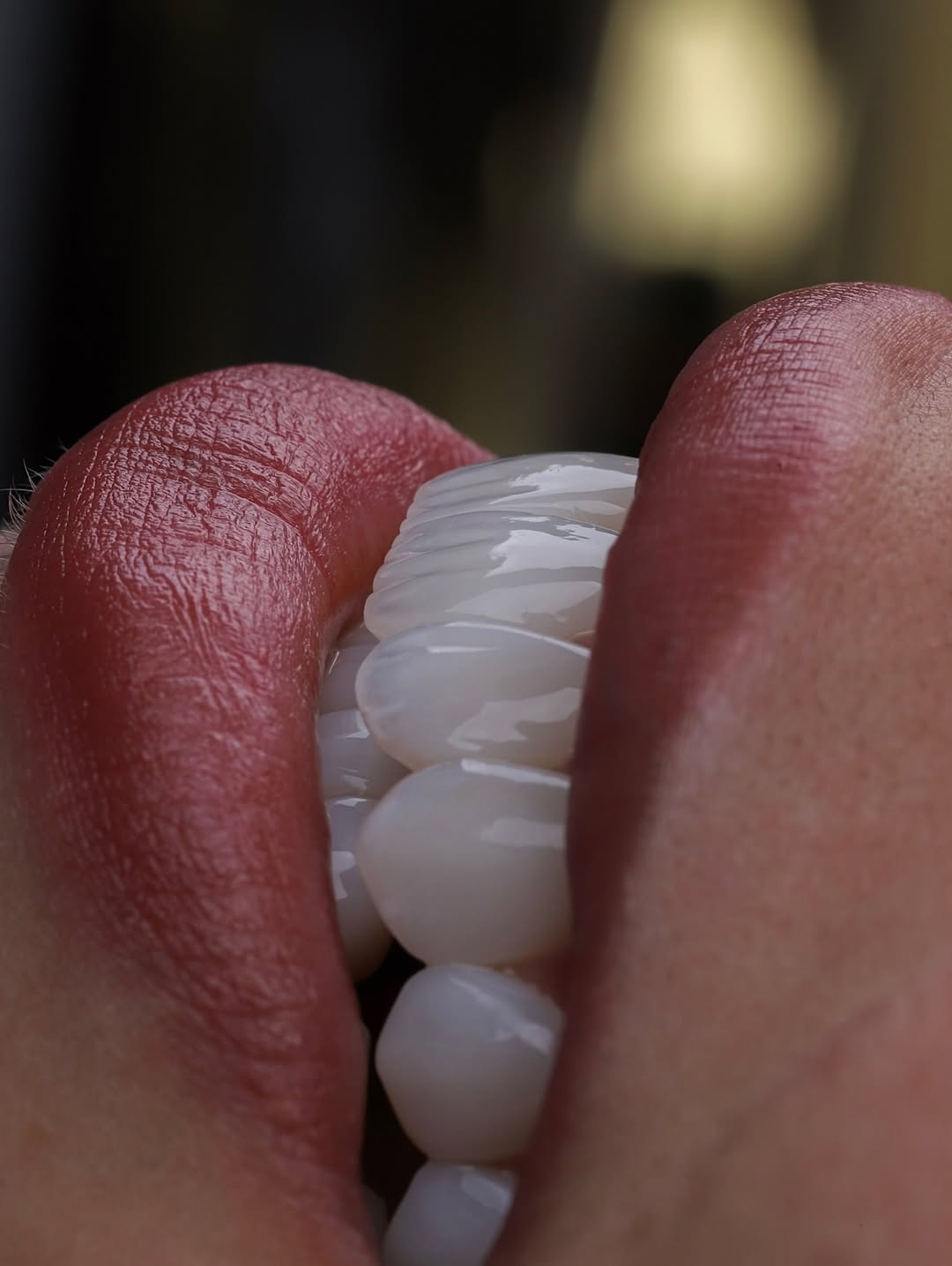
With state-of-the-art sterilization and hygiene protocols, clinics delivering porcelain dental veneers in Colombia ensure the safest possible environment.
Quality and Medical Tourism Infrastructure
Thailand’s Established Track Record
Thailand has been a medical tourism powerhouse since the 1990s. Bangkok’s private hospital sector — Bumrungrad, Bangkok Hospital, Samitivej — built a global reputation for high-quality, internationally managed healthcare, and dental care followed in their wake. Thai cosmetic dentistry has benefited from this infrastructure: rigorous clinical training, a large pool of internationally educated practitioners, and a service culture that prioritizes patient experience.
Thai dental clinics catering to international patients typically have polished intake processes, multilingual staff, and deep experience managing the specific needs of medical tourists: airport transfers, hotel partnerships, recovery-friendly itineraries, and clear communication protocols.
Colombia’s Rapidly Maturing System
Colombia’s dental tourism industry is younger but growing with intent. Medellín has positioned itself specifically around cosmetic dentistry and smile makeovers, rather than general dentistry or reconstructive work. INVIMA, Colombia’s national regulatory authority for medical devices and health products, governs the ceramic materials and clinical standards used in dental practices. Colombian cosmetic dentists are increasingly trained at international programs and participate in US and European continuing education courses.
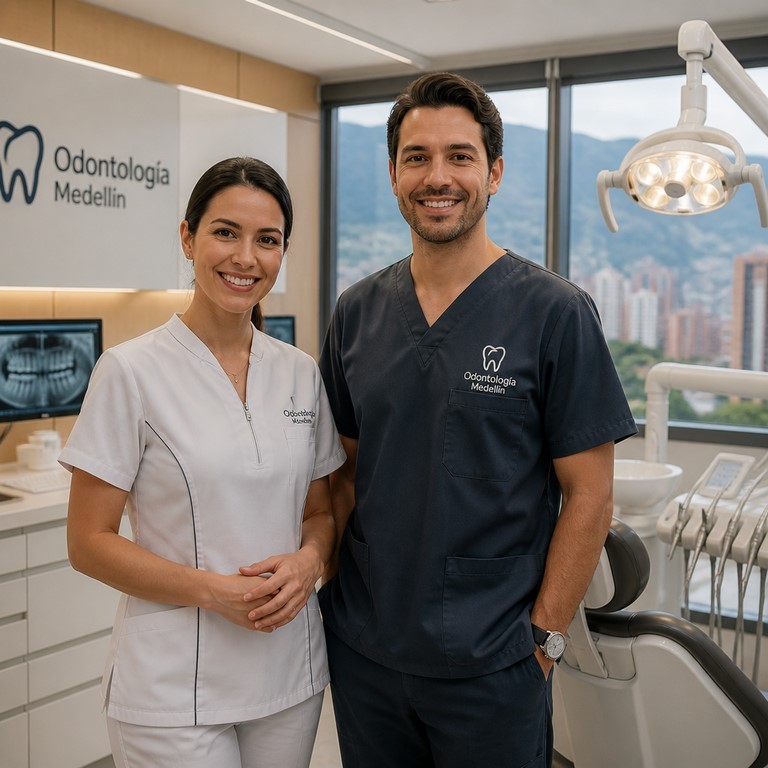
The key differentiator in top Medellín clinics is the boutique model: smaller patient volumes, more personalized attention, and in-house laboratory capabilities that allow the ceramist and the dentist to collaborate directly on every case. At Doctor Yazmin, for example, veneers are designed and fabricated on-site — meaning no outsourced lab, no communication gap between the artist shaping your porcelain and the clinician placing it.
Accreditation: JCI vs Colombia’s Framework
Thailand has the highest concentration of Joint Commission International (JCI)-accredited hospitals in Southeast Asia, which is a meaningful quality benchmark. JCI accreditation signals that a facility meets rigorous international standards for patient safety, clinical protocols, and governance. Several Thai dental clinics operate within or adjacent to JCI-accredited hospital systems, lending them credibility with internationally cautious patients.
Colombia does not have JCI-accredited dental facilities at the same scale, though several Colombian hospitals hold JCI accreditation for general medical care. Colombian dental clinics are licensed and regulated under INVIMA and the Ministry of Health, and the country has its own national accreditation program through ICONTEC. For many patients, INVIMA oversight combined with a verifiable clinical track record is sufficient reassurance. For patients who specifically seek JCI certification as a prerequisite, Thailand currently holds an advantage.
Travel Logistics: Distance Is the Defining Variable
From North America
Colombia wins comprehensively for North American patients:
- Medellín from Miami: approximately 3.5 hours direct
- Medellín from New York: approximately 5.5–6 hours
- Medellín from Los Angeles: approximately 8–9 hours
- Bangkok from New York: approximately 20–22 hours (with connections)
- Bangkok from Los Angeles: approximately 17–20 hours (with connections)
A Medellín trip from the US East Coast is a half-day journey. Bangkok from the same origin is a two-day ordeal involving at least one overnight connection. The jet lag alone can consume a significant portion of the recovery window for a dental trip.
Return flights from the US to Medellín typically cost $350–$650 USD. Flights to Bangkok from North America often run $900–$1,600 USD, and the journey adds 2–3 full days of travel time to the trip. For most North American patients, the Colombia logistics advantage alone justifies the choice.
From Australia, New Zealand, and Asia
Thailand is the clear choice for patients from this region. Bangkok is 8–10 hours from Sydney and Melbourne, and Thai airlines offer multiple direct flight options. Medellín from Australia is a 20+ hour journey with at least two connections — an impractical choice when Thailand offers comparable quality at similar prices just across the region.
From Europe
Neither destination is particularly convenient from Europe. Bangkok is approximately 11–12 hours from London, Medellín is 12–14 hours. Turkey or Portugal may be more logical European alternatives, but for patients committed to either Thailand or Colombia, the distances are broadly comparable and the decision falls back to quality and total cost factors.
Language and Clinical Communication
English proficiency in Thai dental clinics serving international patients is generally excellent. Major Bangkok clinics have invested heavily in English-speaking staff, and the clinical teams often include dentists who completed post-graduate training at English-language programs. Patient coordinators are fluent and experienced.
In Medellín’s leading cosmetic dental practices, English is increasingly spoken directly by the dentist, not just support staff — particularly in clinics that have built their reputation around international patients. This matters in cosmetic dentistry, where detailed discussions about shade selection, veneer shape, tooth length, and smile aesthetics require precise back-and-forth conversation.
Both countries offer good clinical communication for English-speaking patients. Thai clinics have a slight edge on formal English fluency in some settings; Colombian clinics may offer more natural direct conversation with the treating dentist.
Ceramic Systems: What Both Countries Use
One question patients frequently ask is whether the materials used in dental tourism destinations match what’s used at home. The answer, for both Thailand and Colombia at reputable clinics, is yes.
Both countries’ top cosmetic dental clinics work with internationally recognized ceramic systems:
- IPS E.max (lithium disilicate by Ivoclar Vivadent) — the gold standard for thin veneers with natural translucency
- Zirconia — stronger and more opaque, preferred for patients with high bite forces or posterior restorations
- Feldspathic porcelain — the most aesthetic option for expert ceramists, requiring skilled hand-layering
Ask your prospective clinic in either country to confirm the specific ceramic brand and system they use before booking. Any reputable clinic will answer this question immediately and without hesitation.
Climate and Recovery Comfort
Both Thailand and Colombia offer warm, tropical climates that make recovery comfortable — a contrast to the January freezes of Chicago, Toronto, or London. Medellín’s altitude (1,495m) gives it a perpetual spring temperature of 22–28°C with low humidity in El Poblado. Bangkok is hotter and more humid, with temperatures around 28–35°C, though modern air-conditioned hotels make this manageable.
From a recovery environment standpoint, Medellín’s El Poblado neighborhood is particularly well-suited to dental tourism: safe, walkable, packed with cafés and restaurants within easy reach of the clinic, with accommodation options at every price point.
Verdict: Colombia vs Thailand by Patient Origin
| Patient Origin | Recommended Destination | Key Reason |
|---|---|---|
| United States | Colombia (Medellín) | 4–9 hours vs 17–22 hours; lower total trip cost |
| Canada | Colombia (Medellín) | Similar flight advantage; easier follow-up access |
| Mexico / Central America | Colombia (Medellín) | Short direct flights; shared language context |
| Australia / New Zealand | Thailand (Bangkok) | 8–10 hours vs 22+ hours; established infrastructure |
| Southeast Asia | Thailand (Bangkok) | Regional proximity; no long-haul travel needed |
| UK / Western Europe | Either (comparable distance) | Quality and total price guide the choice |
The Bottom Line for North American Patients
Thailand is an excellent dental tourism destination with a proven track record. For patients flying from Australia or Southeast Asia, it’s the obvious choice. But for North Americans — the largest segment of international dental tourists seeking veneers — Colombia offers the same quality tier at comparable pricing, with a fraction of the travel burden.
The math is straightforward: 5 hours vs 20 hours of flying, lower airfare, no major jet lag, and easier access for follow-up appointments. Medellín’s boutique cosmetic dental scene — with in-house labs, personalized case management, and dentists who communicate directly with international patients — makes it the practical and clinical choice for most US and Canadian patients.
If you’re exploring a smile makeover from North America, the question should not be “Colombia or Thailand” — it should be which Medellín clinic fits your case, timeline, and budget best.