When patients research dental treatment abroad, language is often treated as a minor convenience — something nice to have, but not decisive. For a routine cleaning, that might be true. For a full-mouth veneer transformation involving irreversible tooth preparation, shade selection, and long-term bite changes, language is not a convenience. It is a clinical safety requirement.
The same veneers cost up to 70% less in Colombia.
See if you qualify Free video call in English · on WhatsAppIndividual patient experience. Results and pricing are confirmed after a clinical evaluation.
This article explains why communication quality directly affects treatment outcomes, and what international patients should look for when evaluating a dental team in Medellín, particularly for a case built around the all-inclusive veneer packages that have made the city a destination for cosmetic dentistry.
Why Technical Communication Matters More Than General Fluency
Many clinics that market themselves to international patients have staff with conversational English sufficient for greetings, scheduling, and small talk. Far fewer have clinical staff able to discuss, in precise technical English, concepts such as:
- The difference between lithium disilicate (E-max) and zirconia restorations, and why one is being recommended over the other for your specific case
- Why a particular tooth may require a root canal or buildup before a veneer can be placed safely
- How much natural enamel will be removed during preparation, and whether the approach is reversible or irreversible
- Realistic expectations for shade, translucency, and how the final result will look under different lighting conditions
- Post-treatment sensitivity, what’s normal, and what would indicate a problem requiring follow-up
A patient who nods along to a simplified explanation delivered through a front-desk translator has not actually given informed consent in the clinical sense. They’ve agreed to a summary. For elective, high-cost, irreversible procedures, that distinction matters enormously.
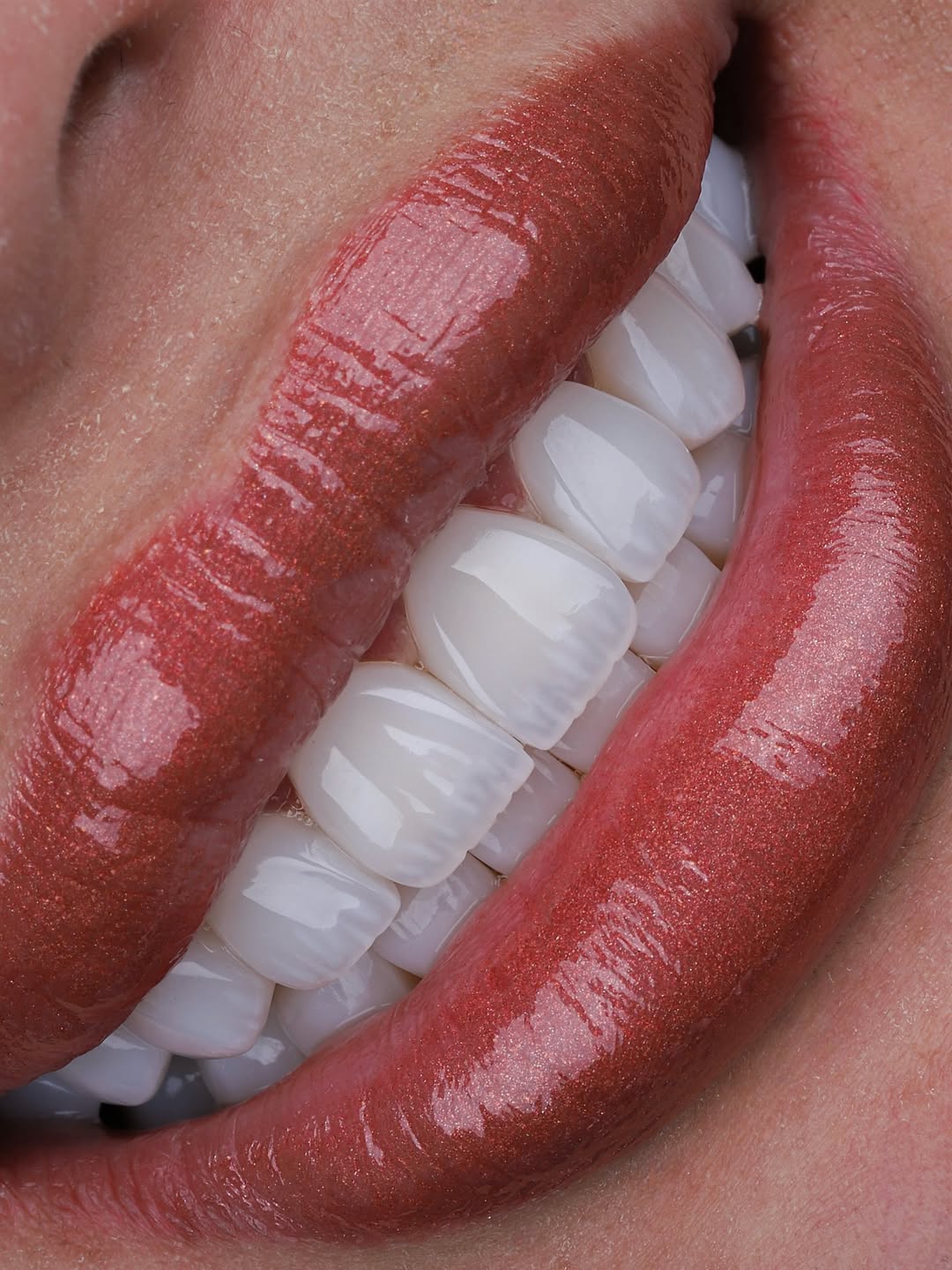
Enjoy VIP treatment from the moment you land, as top packages for dental veneers Medellín include airport pickups and private transfers.
The Risk of Miscommunication in Cosmetic Cases
Cosmetic dentistry is unusual among medical fields in that “success” is partly subjective. A clinically excellent veneer placement can still be a disappointing outcome if the patient’s aesthetic expectations weren’t accurately understood beforehand. Common miscommunication failure points we see in patients who previously sought treatment through non-English-fluent clinics include:
The same veneers in Colombia cost up to 70% less.
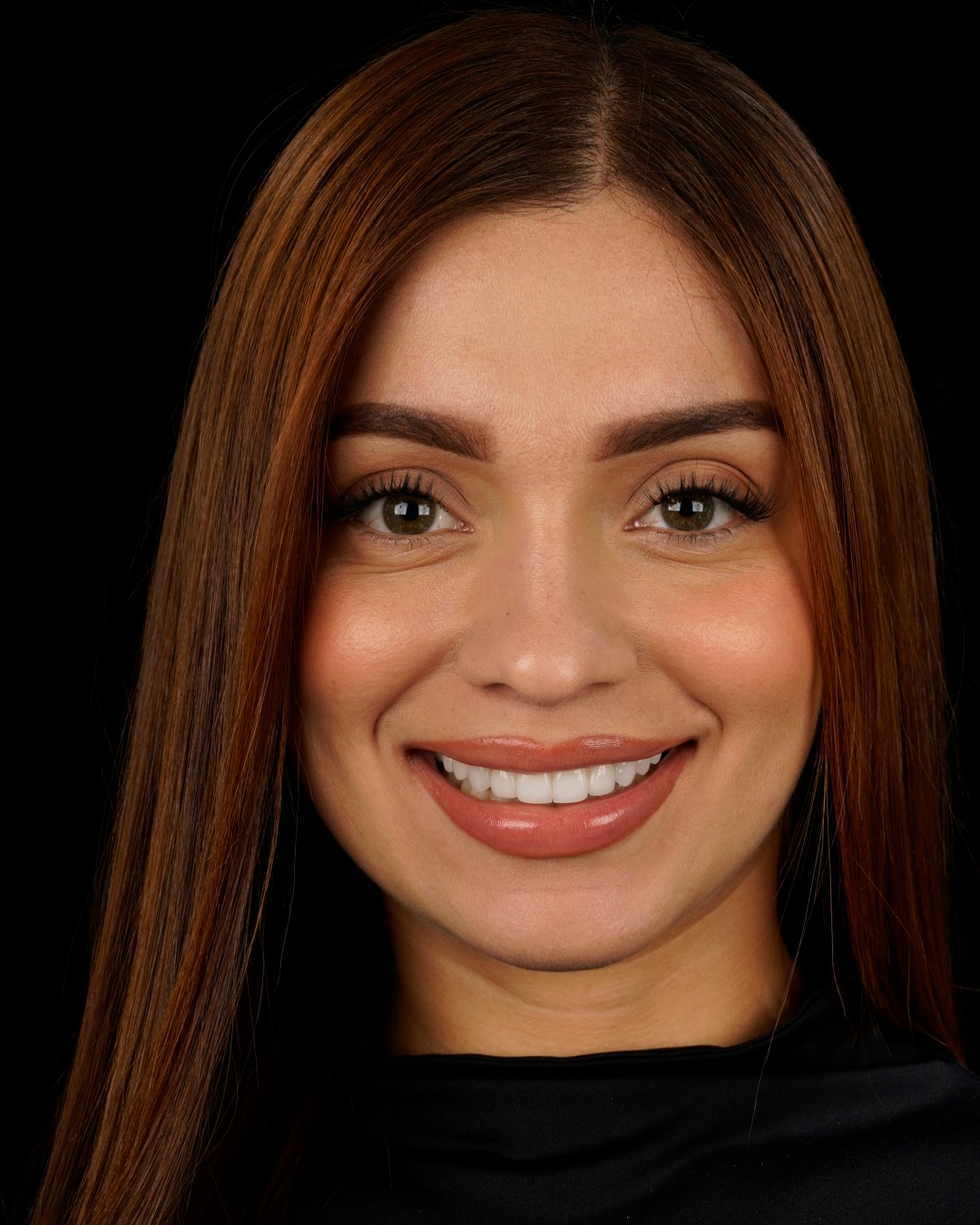
In the US, 20 porcelain veneers run $30,000–$50,000. With Dr. Yazmin in Medellin, it's $7,000, all-inclusive.
Individual patient experience. Prices, inclusions and results are confirmed after a clinical evaluation. A full evaluation is required before any treatment.
Shade Selection Misunderstandings
Patients describing a desired shade using casual language (“bright white,” “natural but nice”) need a clinician who can translate that into a specific shade guide reference and explain trade-offs — brighter shades often read as less natural under certain lighting, for example. This conversation requires nuance that’s easily lost in translation.
Misunderstood Treatment Scope
Some patients arrive at revision consultations having believed they were getting minimal-prep veneers, only to discover after the fact that full crown preparation was performed. Whether this was a deliberate shortcut or a communication failure, the result for the patient is identical: irreversible tooth reduction they didn’t fully understand or approve. Our article on correcting failed veneer work covers this scenario in more clinical detail.
Post-Operative Instructions
Instructions about diet restrictions, sensitivity management, and follow-up timing are often the least glamorous part of treatment, but errors here can affect healing and the longevity of the restoration. These instructions need to be given clearly, in writing, and in a language the patient fully understands — not summarized verbally in a rush before a flight home.
What a Genuinely Bilingual Clinical Team Looks Like
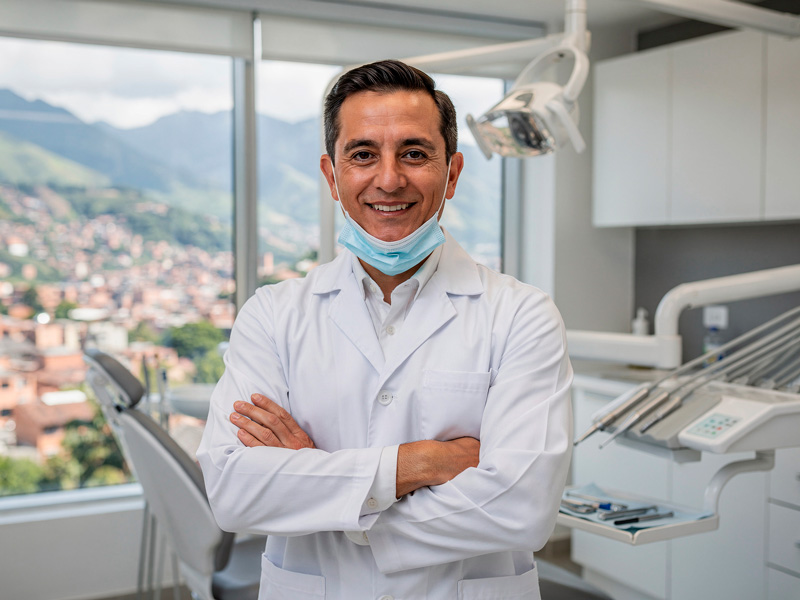
At our practice, English-language communication is not limited to a single translator managing appointments. Dr. Yazmín Escudero, trained at NYU and certified through RETHUS (Colombia’s national health provider registry), communicates directly with international patients about diagnosis, material choice, and treatment sequencing in English, without an intermediary layer that risks losing clinical nuance.
Supporting this is Stephany Carmona, our bilingual patient coordinator, whose role covers the entire patient journey rather than just the clinical appointment itself:
- Reviewing photographs and case history submitted before a virtual consultation
- Coordinating digital smile design in Colombia mockup reviews so patients understand exactly what’s being proposed before they travel
- Managing travel logistics, hotel arrangements at The Cut, and private driver scheduling
- Serving as the point of contact for questions about payment logistics, appointment timing, and recovery instructions
- Following up after the patient returns home to confirm healing is on track
This structure means an English-speaking patient never has to rely on a stranger’s translation app or a rushed, simplified explanation to understand what’s happening to their own teeth.
Questions to Ask Before Booking Treatment Abroad
For patients evaluating any clinic in Medellín, Bogotá, or elsewhere in Colombia, a few direct questions can reveal how genuinely bilingual the clinical experience will be:
- “Will the treating dentist speak with me directly in English, or only through a coordinator?” Both models exist; knowing which one you’re getting matters.
- “Can I get my treatment plan and material specifications in writing, in English, before I travel?” A clinic confident in its plan will provide this without hesitation.
- “Who do I contact in English if I have a concern after I’ve returned home?” Aftercare communication is just as important as pre-treatment communication.
These questions apply whether you’re pursuing standard veneer placement or a more complex case such as those discussed in our guide to 24-hour veneers in Medellín, where treatment sequencing and same-visit timing require especially clear coordination between patient and clinical team.
Language as a Component of Informed Consent
Informed consent isn’t a formality — it’s the ethical and legal foundation of elective medical treatment. A patient who fully understands, in their own language, what’s being proposed, why, and what the realistic outcomes and risks are, is in a fundamentally different position than one relying on a simplified summary. This is especially true for a $7,000, multi-day treatment plan involving 20 porcelain veneers, where the margin for miscommunication has real, permanent consequences.
Ready to Discuss Your Case in Plain English?
If you’d like to speak directly with our bilingual coordinator about your treatment goals, timeline, and questions, reach out and we’ll schedule a virtual consultation.