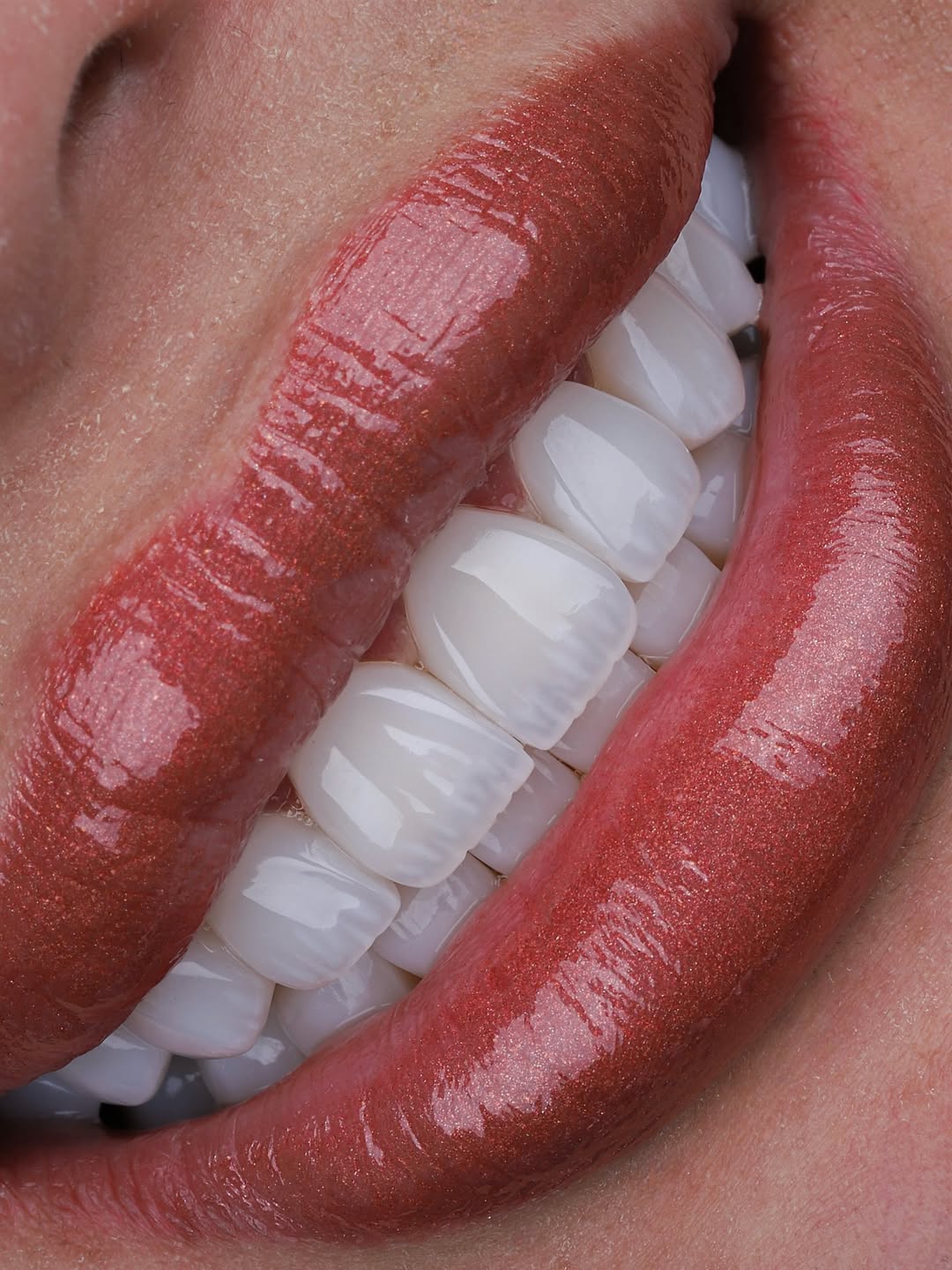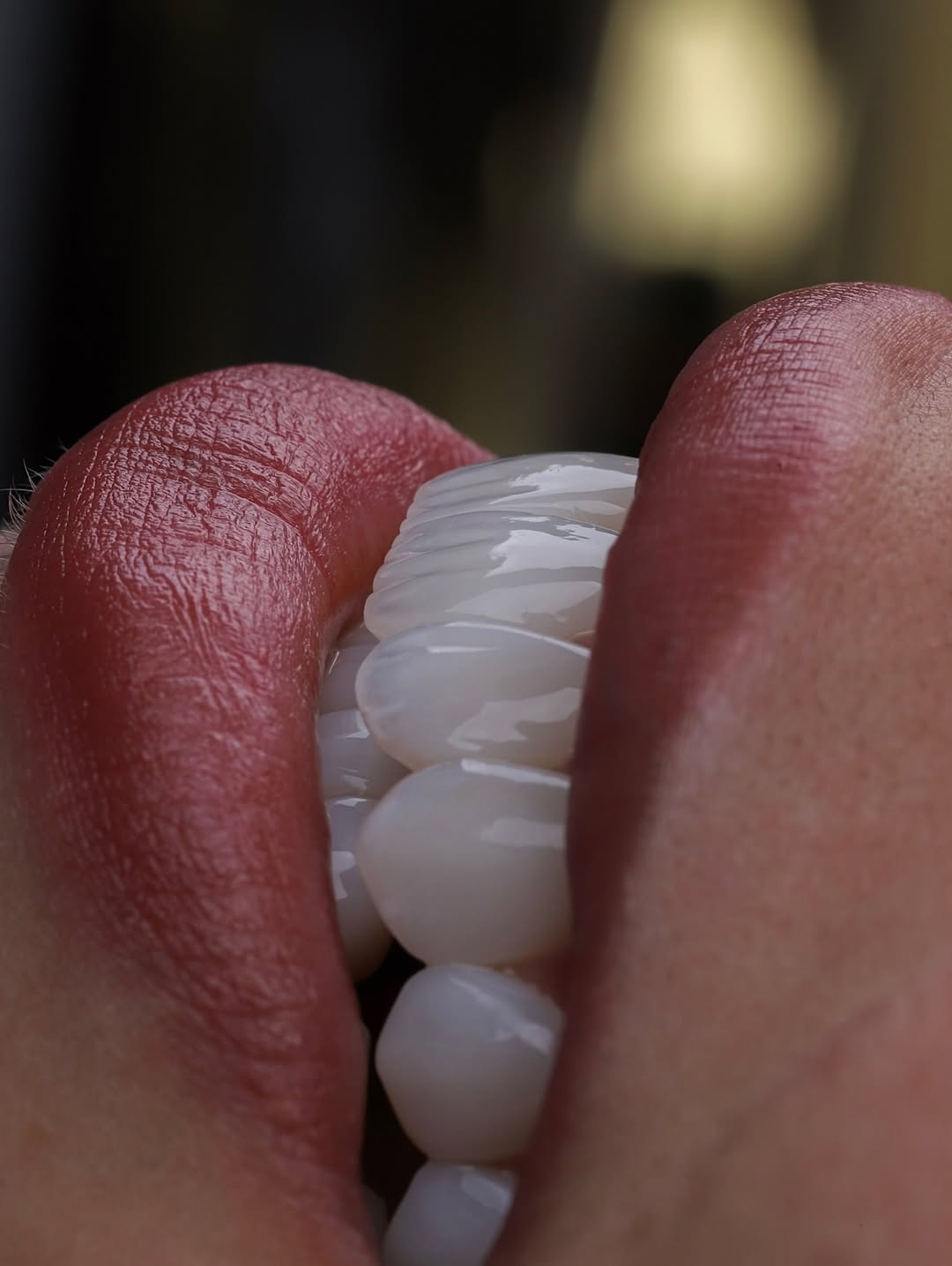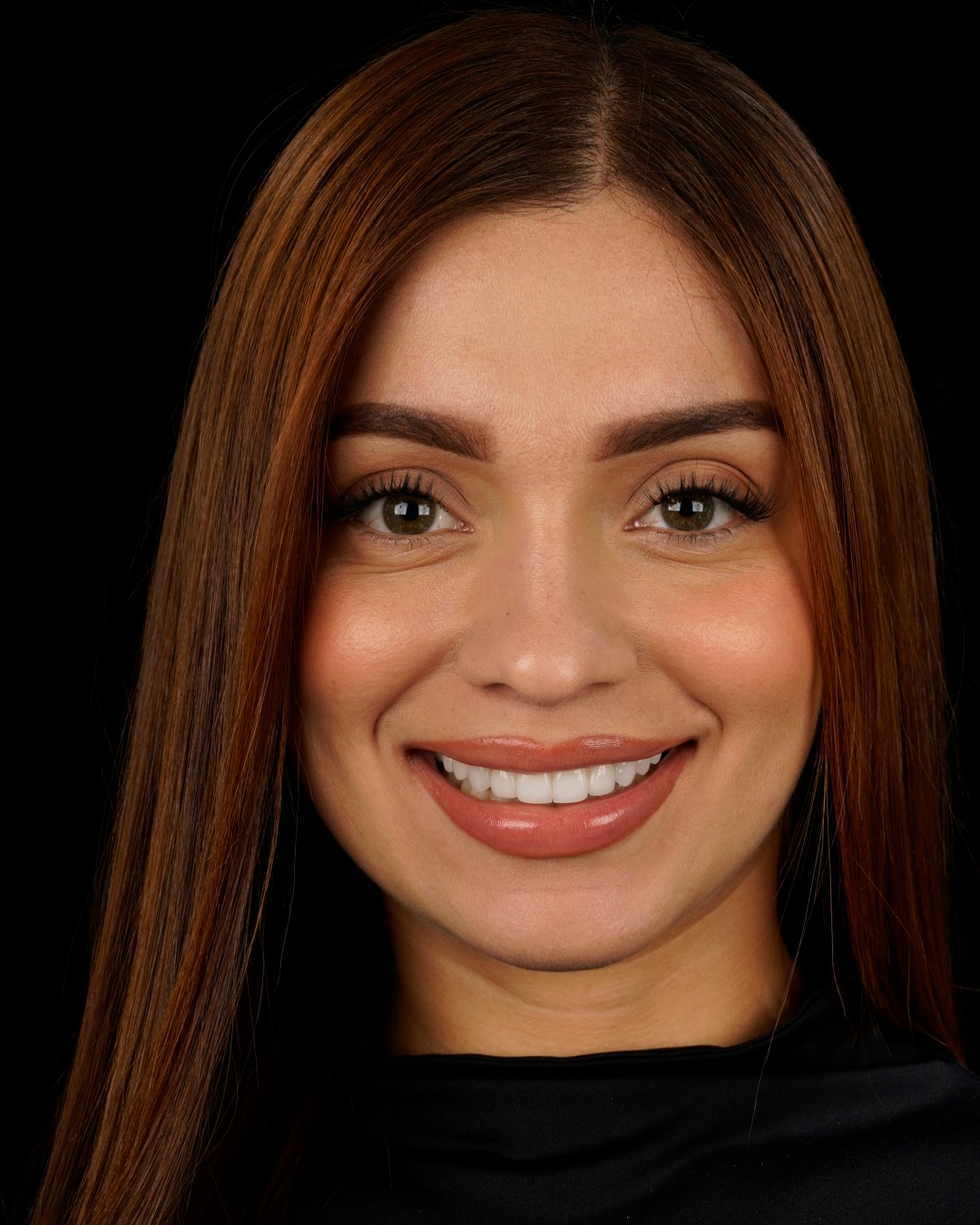
Dental anxiety is one of the most common reasons patients delay treatment for years, sometimes decades. For international patients considering a full smile makeover in Medellín — often involving preparation of 20 teeth for porcelain veneers — the question is not just “will it hurt,” but “can I actually get through this comfortably in a few days, in a country where I don’t know the healthcare system?” It’s a fair question, and it deserves a clinical answer, not a marketing one.
The same veneers cost up to 70% less in Colombia.
See if you qualify Free video call in English · on WhatsAppIndividual patient experience. Results and pricing are confirmed after a clinical evaluation.
This article explains what sedation dentistry actually involves, which protocols are used for extensive cosmetic cases, and why the presence of a licensed anesthesiologist — not just a dentist administering sedatives informally — is a critical safety distinction that international patients should confirm before booking treatment abroad.
Why Sedation Matters More for Full-Mouth Cosmetic Cases
A single filling or cleaning rarely requires anything beyond local anesthesia. But a comprehensive case — 20 veneers prepared and fitted within a condensed international travel window — is a different clinical scenario. Multiple teeth are prepared in sequence, the appointment is long, and patients flying in from the U.S., Canada, the UK, or Australia are often managing jet lag, unfamiliar surroundings, and pre-existing dental anxiety simultaneously.
Sedation in this context isn’t about masking pain that shouldn’t exist in the first place (local anesthesia handles that). It’s about managing anxiety, gag reflex, muscle fatigue from prolonged mouth-opening, and the psychological weight of undergoing extensive treatment far from home. When done properly, sedation makes a 72-hour treatment arc — the kind described in our guide to all-inclusive dental packages in Medellín — genuinely tolerable rather than something to dread.
The Main Sedation Options Used in Modern Cosmetic Dentistry
- Nitrous oxide (laughing gas): Inhaled through a nasal mask, nitrous oxide produces mild euphoria and relaxation while the patient remains fully conscious and responsive. It wears off within minutes of removing the mask, which is why many patients can be driven back to their hotel without lingering grogginess. It’s typically the first-line option for mild-to-moderate anxiety.
- Oral conscious sedation: A prescribed sedative taken before the appointment to reduce anxiety. Patients remain awake but deeply relaxed. This requires a companion or coordinator to accompany the patient afterward, since reaction times are affected for several hours.
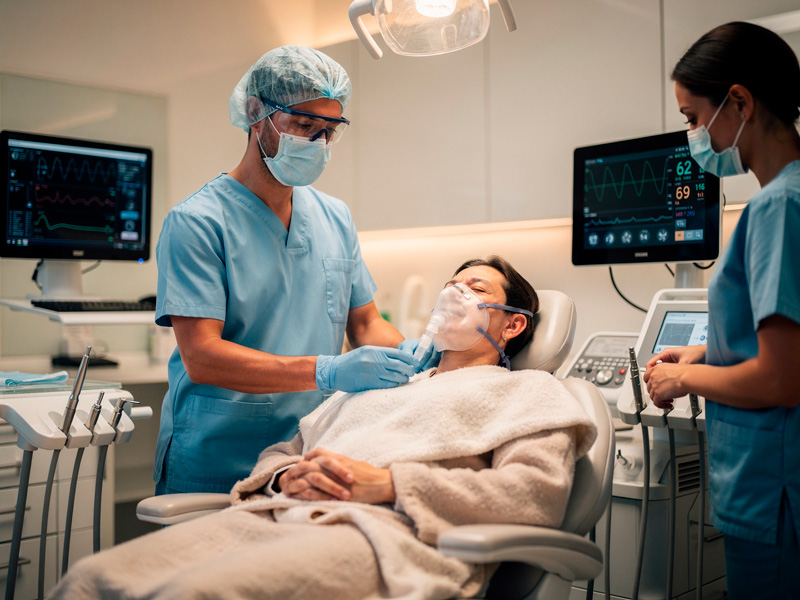
- IV (intravenous) sedation: Administered directly into the bloodstream, IV sedation allows for precise, real-time dose adjustment throughout a long procedure. Patients are typically in a deeply relaxed, sleep-like state, often with little to no memory of the appointment afterward. This is the option most relevant for extensive full-mouth cosmetic work completed over consecutive days.
- Local anesthesia (always used as the base layer): Regardless of sedation level, the teeth themselves are numbed locally. Sedation manages anxiety and comfort; local anesthesia manages pain at the treatment site.
Why the Anesthesiologist’s Credentials Are the Real Safety Question
This is the part dental tourism marketing tends to skip over, and it’s the most important one. IV sedation is a medical procedure that carries real risk if it is not monitored properly — vital signs (oxygen saturation, heart rate, blood pressure) need continuous monitoring by someone qualified to recognize and respond to complications immediately. In a well-run clinical setting, this means a licensed anesthesiologist, not a dental assistant glancing at a pulse oximeter between other tasks.
You will be amazed by the warmth and hospitality of the dental staff when you go for your dental veneers in Colombia.
The same veneers in Colombia cost up to 70% less.
In the US, 20 porcelain veneers run $30,000–$50,000. With Dr. Yazmin in Medellin, it's $7,000, all-inclusive.
Individual patient experience. Prices, inclusions and results are confirmed after a clinical evaluation. A full evaluation is required before any treatment.
Before agreeing to sedation at any clinic abroad, it’s reasonable — and advisable — to ask:
- Is IV sedation administered or supervised by a licensed anesthesiologist, and can I see their credentials?
- What monitoring equipment is used during sedation (pulse oximetry, blood pressure, ECG)?
- What emergency protocols and equipment are in place in case of an adverse reaction?
- Will I be given clear pre-sedation instructions (fasting, medication adjustments) and post-sedation recovery guidelines?
A clinic that answers these questions readily, with documentation, is signaling a level of clinical seriousness that goes beyond cosmetic marketing. This is also where a bilingual coordinator becomes clinically important, not just a convenience — sedation consent and pre-operative instructions must be fully understood, not approximated through hand gestures and translation apps. We cover this communication layer in more depth in our article on working with an English-speaking dentist in Medellín.
Sedation and the Realistic Treatment Timeline
For patients considering a condensed multi-day itinerary, sedation planning also affects scheduling. IV sedation typically requires a recovery period before a patient can safely return to a hotel, and same-day driving or independent travel is not advisable afterward — which is precisely why private transportation, built into a properly structured package, matters clinically and not just for comfort. Patients evaluating whether an accelerated timeline is appropriate for their case should also read our technical breakdown of same-day smile makeover, since sedation strategy and preparation timeline are closely linked decisions made jointly between dentist and patient.
Who Benefits Most From Sedation Dentistry
- Patients with diagnosed dental phobia or a history of traumatic dental experiences
- Patients undergoing extensive full-mouth rehabilitation involving multiple teeth in a single visit
- Patients with a strong gag reflex that complicates impressions, scanning, or extended procedures
- Patients with limited time who need multiple clinical steps compressed into consecutive days
- Patients with certain medical conditions where anxiety itself poses a cardiovascular risk (evaluated case-by-case with medical history review)
Sedation is not automatically recommended for every patient, nor should it be. A responsible clinician evaluates medical history, the scope of treatment, and the patient’s own anxiety level before recommending nitrous oxide, oral sedation, or IV sedation — or determining that local anesthesia alone is sufficient.
What This Looks Like at Our Clinic
At Doctor Yazmín’s practice in Medellín, sedation protocols are built around the same principle that governs every part of the 72-hour smile makeover: nothing is left to improvisation. Dr. Yazmín Escudero, trained in New York and registered with RETHUS after 16 years of clinical practice, works alongside a licensed anesthesiologist for cases requiring IV sedation, with full vital sign monitoring throughout. Every sedation plan is discussed in detail — in English, through coordinator Stephany Carmona — before the patient ever sits in the chair, so there are no surprises about what to expect during or after the appointment.
If dental anxiety has kept you from addressing your smile for years, sedation dentistry may be the missing piece that finally makes treatment possible — safely, and under proper medical supervision.
Have Questions About Sedation for Your Case?
Every treatment plan and sedation recommendation starts with a conversation about your medical history and comfort level. Reach out directly to discuss your options.
Message us on WhatsApp to discuss sedation options for your treatment →