Everything patients and dental professionals need to know about advanced cosmetic veneers — from materials and costs to aftercare, providers, and smile design.
The same veneers cost up to 70% less in Colombia.
See if you qualify Free video call in English · on WhatsAppIndividual patient experience. Results and pricing are confirmed after a clinical evaluation.
What Are HD Veneers?
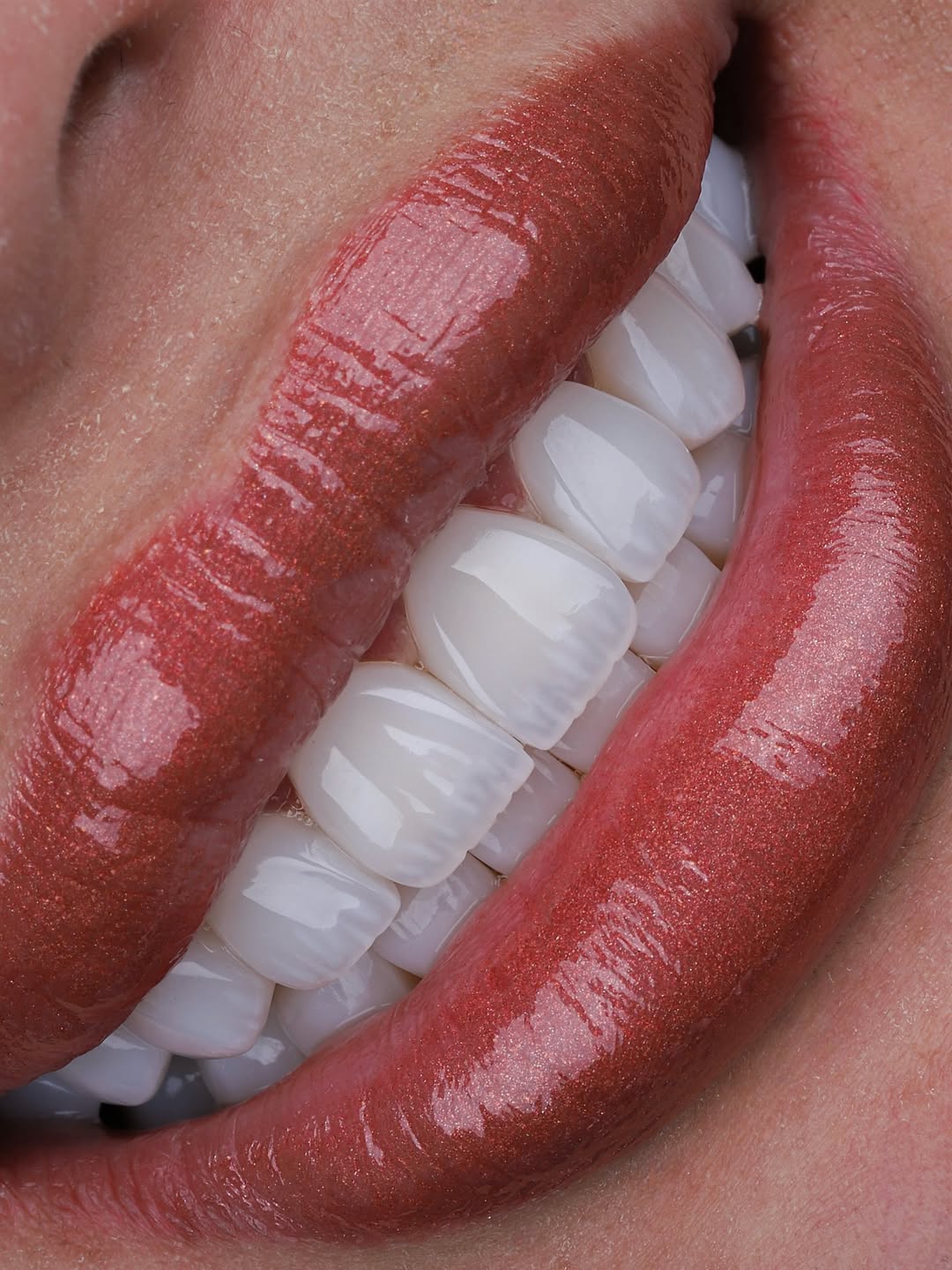
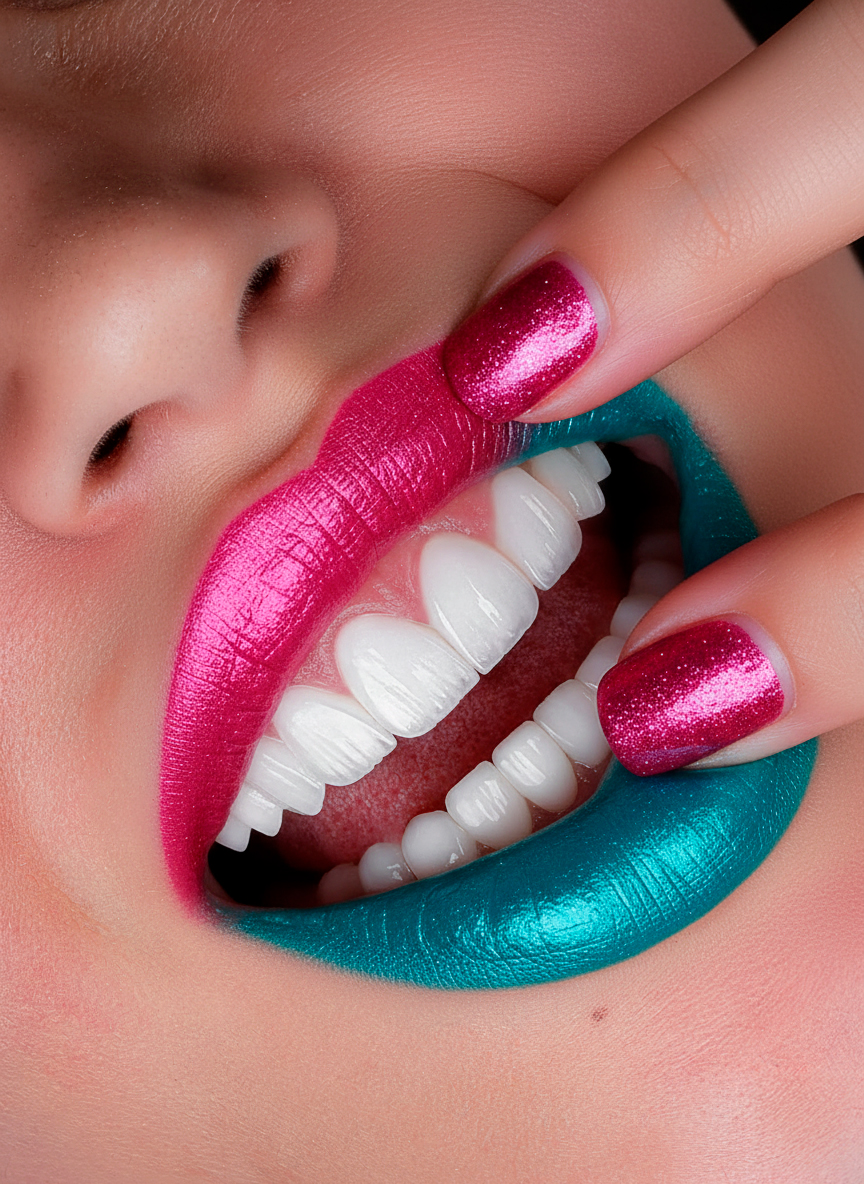
HD veneers — short for “high-definition veneers” — represent the most advanced category of cosmetic dental veneers available today. Unlike standard veneers, HD veneers are fabricated using premium ceramic materials, precision-milled or hand-layered by expert dental technicians, and customized down to the finest optical detail: translucency, color gradients, surface texture, and light diffusion. The result is a restoration that is virtually indistinguishable from natural tooth enamel.
The term “HD veneers” is not a single product but an umbrella descriptor used in cosmetic dentistry to refer to premium-quality veneers — primarily crafted from lithium disilicate (IPS e.max), feldspathic porcelain, or zirconia — that meet the highest aesthetic and durability standards. These restorations are engineered to replicate every visual property of a healthy natural tooth: the way light passes through enamel, the subtle color variation from gum line to incisal edge, and the micro-surface texture that makes a smile look real rather than ceramic.
In a market where cosmetic dentistry is growing rapidly — the global dental veneers market was valued at USD 6.7 billion in 2023 and is projected to reach USD 11.45 billion by 2030 at a CAGR of 7.7% — patient demand for natural-looking, long-lasting results has never been higher. HD veneers sit at the premium end of this market and are driving its most significant growth segment.
HD Veneers vs. Traditional Veneers: Key Differences
Understanding what separates HD veneers from standard options is the foundation for making an informed decision. The differences go far beyond price.
The fundamental difference lies in how much customization, material science, and laboratory artistry goes into each restoration. Traditional veneers change how a tooth looks. HD veneers change how a tooth feels, functions, and reads optically — to both the eye and the camera.
Get your veneers in Colombia for up to 70% less.
In the US, 20 porcelain veneers run $30,000–$50,000. With Dr. Yazmin in Medellin, it's $6,900, all-inclusive.
Individual patient experience. Prices, inclusions and results are confirmed after a clinical evaluation. A full evaluation is required before any treatment.
What Makes HD Veneers Look So Natural?
The most common question patients ask is: “Will people know I have veneers?” With HD veneers, when done correctly, the answer is no. The naturalistic effect is achieved through a combination of four factors:
1. Advanced Material Science
Natural teeth are not uniformly white or opaque. They are semi-translucent, allowing some light to pass through and creating depth. The best HD veneer materials — especially IPS e.max lithium disilicate — replicate this with high precision. Their opalescence, translucency, and light diffusion properties are specifically engineered to replicate natural tooth structure. The layered ceramic structure scatters and reflects light the way real enamel does, creating a three-dimensional appearance that opaque materials simply cannot achieve.
2. Custom Shade Architecture
Premium dental laboratories don’t just select a shade from a chart — they build color into the veneer structurally. This involves:
- Reproducing the natural gradient from a slightly warmer, more opaque cervical zone (near the gums) to a more translucent incisal edge (tip of the tooth)
- Adding subtle internal characterizations such as white spot effects, developmental grooves, or slight color striations that match the patient’s adjacent teeth
- Color-matching not just to neighboring teeth, but to skin tone, lip color, and facial features
3. Precise Proportions and Contours
Natural-looking teeth follow well-established aesthetic ratios. Golden proportion principles, correct width-to-length ratios, and proper tooth-to-gum-line relationships must all be respected. HD veneer workflows, especially those using Digital Smile Design (DSD) software, allow the dentist and ceramist to plan and visualize exact proportions before any preparation occurs.
4. Surface Micro-Texture
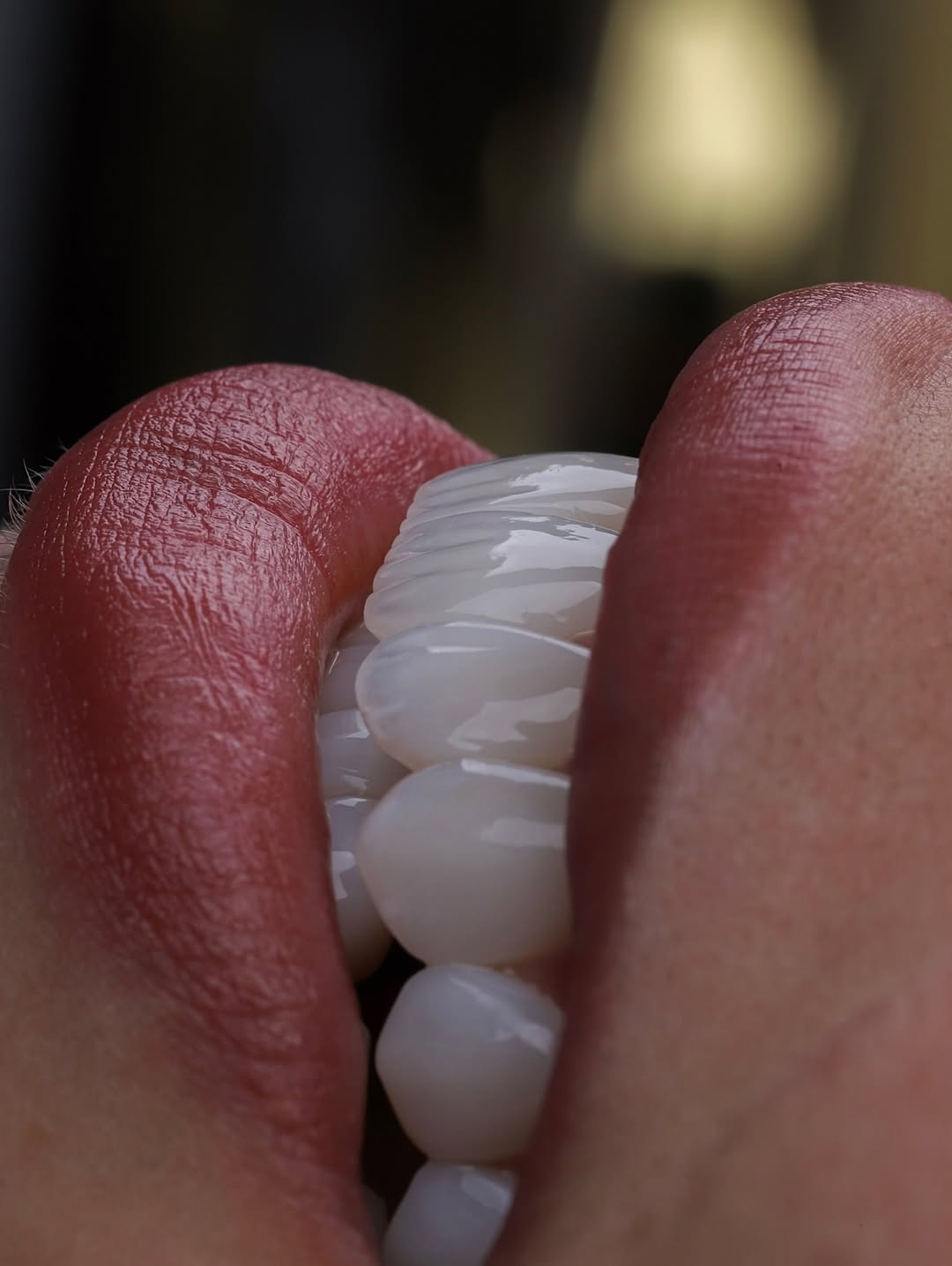
Real teeth have microscopic surface irregularities — horizontal lines (perikymata), developmental lobes, and subtle depressions. Mass-produced veneers are often polished to a uniform gloss that reads as artificial in photographs and bright light. HD veneer ceramists hand-finish the surface with controlled texture to match the patient’s natural tooth surface.
The Best Materials for HD Veneers
Choosing the right material is the single most important technical decision in veneer selection. Each option offers a different balance of aesthetics, durability, and preparation requirements.
IPS e.max (Lithium Disilicate) — The Gold Standard
IPS e.max by Ivoclar is the material most widely regarded as the benchmark for HD veneers by cosmetic dentists worldwide. It is a lithium glass-ceramic engineered to offer:
- Exceptional translucency that closely mimics natural tooth enamel
- High flexural strength — significantly stronger than traditional feldspathic porcelain
- Outstanding stain resistance and color stability over time
- A 5-year clinical study showing 89.3% of e.max veneers with no chipping, staining, or complications
- A 20-year porcelain laminate survival rate of 91% in clinical studies
e.max veneers typically cost $1,100 – $2,500 per tooth in the United States.
Feldspathic Porcelain — The Aesthetic Maximum
Feldspathic porcelain is the most optically lifelike material available, favored by master ceramists for its unmatched translucency and customizability. However, it is also the most fragile, requiring careful patient selection and a skilled lab.
IPS Empress (Leucite-Reinforced Ceramic)
IPS Empress veneers are fabricated from leucite-reinforced ceramic blocks designed for CAD/CAM milling. Clinical studies report a 92% survival rate over 8–10 years. They deliver a glossy, lifelike appearance and are excellent for patients who want strong aesthetics with reliable laboratory reproducibility.
Zirconia Veneers — For Durability-First Cases
Zirconia is an extremely strong ceramic material that offers superior durability, making it particularly suitable for patients who grind their teeth (bruxism) or need posterior veneers. Modern monolithic and layered zirconia has also improved significantly in aesthetics. Zirconia veneers typically last 10 – 15 years with proper care.
Composite Resin — The Entry-Level Option
Composite veneers are sculpted chairside from tooth-colored resin. They are affordable ($250 – $1,500 per tooth) and can be completed in a single visit, but they stain more easily, lack the optical depth of ceramic materials, and typically last only 5 – 7 years. They are not considered HD veneers but serve as a useful diagnostic or transitional solution.
How Much Do HD Veneers Cost in the United States?
Cost is one of the most searched topics around dental veneers, and it varies significantly based on material, geography, dentist expertise, and laboratory quality.
US Market Price Ranges (2025–2026)
| Veneer Type | Cost Per Tooth (USA) | Full Smile (8–10 Teeth) |
|---|---|---|
| Composite Resin | $250 – $1,500 | $2,000 – $15,000 |
| Standard Porcelain | $900 – $2,500 | $7,200 – $25,000 |
| Premium Porcelain (e.max, Empress) | $1,500 – $3,000 | $12,000 – $30,000 |
| Ultra-Premium / Full Mouth | $1,800 – $3,500 | $14,400 – $50,000+ |
Sources:
The national average for a single porcelain veneer in the United States is approximately $1,765, with the full range spanning $500 to $2,895. Premium materials like Lumineers or IPS e.max increase the per-tooth cost to the $1,500 – $3,000 range.
Key Factors That Drive Cost
Several variables explain why two patients might pay very different amounts for apparently similar procedures:
- Geographic location: Practices in major metros (NYC, LA, Miami) charge significantly more than those in mid-sized cities
- Dentist’s cosmetic credentials: AACD-accredited cosmetic dentists command premium fees
- Laboratory quality: In-house or boutique dental labs that hand-stratify veneers cost more than automated mills
- Number of veneers: Pricing per tooth often decreases for larger cases (8–20 veneers)
- Digital workflow investment: Practices using DSD software, intraoral scanners, and CEREC technology reflect those costs in their fees
Does Insurance Cover HD Veneers?
In most cases, no. Dental insurance in the US classifies veneers as a cosmetic procedure and excludes them from coverage. Patients should explore dental financing options (CareCredit, Lending Club Patient Solutions, in-house payment plans) to spread the cost over time.
The Colombia Advantage: Premium Quality at Fraction of US Prices
For US patients open to dental tourism, Colombia has emerged as one of the world’s most compelling destinations for HD veneers. The country consistently delivers world-class results using the same premium materials — IPS e.max, zirconia, IPS Empress — at a dramatically lower cost.
Price Comparison: USA vs. Colombia (2025)
| Material | USA (per tooth) | Colombia (per tooth) | Savings |
|---|---|---|---|
| Porcelain Veneers | $1,000 – $2,500 | $200 – $650 | Up to 70–74% |
| IPS e.max / Zirconia | $1,500 – $3,000 | $450 – $700 | Up to 75% |
| Composite Veneers | $250 – $1,500 | $80 – $150 | Up to 80% |
Sources:
The price difference is not a reflection of quality — it reflects lower operational costs: rent, dental lab overhead, and wages in Colombia are significantly lower than in the United States. The same internationally certified ceramists working with the same IPS e.max material can produce a 10-veneer case in Bogotá or Medellín for the equivalent of one or two veneers in New York City.
Patients who combine a trip to Colombia with their veneer treatment often save enough to cover international flights, hotel, and a cultural experience while still spending less than they would at home. A full smile transformation (8–10 e.max veneers) that would cost $12,000 – $25,000 in the US can be completed in Colombia for approximately $1,600 – $6,500.
When selecting a Colombian dental provider, look for:
- Board-certified prosthodontist or cosmetic dentist (Especialista en Prótesis or Odontología Estética)
- Documented use of IPS e.max or equivalent international-grade materials
- Digital Smile Design workflow with patient preview capabilities
- English-speaking staff or international patient coordinator
- Transparent before/after portfolio and verifiable patient testimonials
Leading HD Veneer Brands Recommended by Dental Professionals
Not all veneers are created equal. The following brands and systems are consistently ranked as the best by dental professionals and supported by long-term clinical evidence.
IPS e.max — Ivoclar Vivadent
The most prescribed HD veneer material globally. Made from lithium disilicate glass-ceramic, e.max offers an unrivaled combination of optical naturalism and structural durability. It is the material of choice for anterior (front teeth) smile makeovers where aesthetics are paramount.
VITA System — VITA Zahnfabrik
VITA is a globally respected dental ceramics brand trusted for its precision color science and consistency. VITA’s shade system is the international standard used by dental labs worldwide to ensure predictable, accurate shade matching.
IPS Empress — Ivoclar Vivadent
Leucite-reinforced ceramic blocks for CAD/CAM application, IPS Empress delivers a glossy, lifelike result with a proven 92% clinical survival rate at 8–10 years. Frequently chosen for smaller veneer cases and by labs with in-house milling capability.
Lumineers — Den-Mat Corporation
One of the most recognized brand names in no-prep veneers, Lumineers are ultra-thin (0.2 mm) and require minimal to no enamel removal. They are widely available across the US and internationally. Best suited for patients seeking a conservative, reversible option for minor cosmetic corrections.
Vivaneers and Durathin
These no-prep veneer brands serve the minimal-preparation segment, offering a conservative approach for appropriate candidates — patients with naturally smaller teeth, gaps to close, or mild discoloration without significant shape corrections needed.
Da Vinci Dental Studios
Established in 1980, da Vinci Dental Studios is one of the most acclaimed dental labs in the world, producing custom hand-crafted veneers for top cosmetic dentists. Their restorations are frequently cited among the highest-quality available in the US.
Top US Dental Labs Supplying HD Veneers
For dental practices seeking to source premium veneer restorations, the following US dental laboratories are recognized leaders in HD cosmetic veneers:
- Keating Dental Lab (Irvine, CA) — Full-service US dental lab offering IPS e.max veneers, serving dentists nationwide
- Iverson Dental Labs — Manufactures custom veneers in all-ceramic materials, available for online ordering by licensed dental professionals
- Frontier Dental Lab (Sacramento, CA / Vancouver, BC) — Specializes in cosmetic restorations with advanced digital technology
- Burbank Dental Lab — Founded in 1979, a long-standing leader in cosmetic ceramic restorations
- da Vinci Dental Studios — Premium hand-crafted ceramics trusted by leading cosmetic dentists
- Glidewell, Dentsply Sirona, COLTENE — Major industry suppliers listed among key global dental veneer market playersFor licensed dental professionals only: Premium dental labs supply directly to licensed dental practices. Patients should not attempt to purchase veneers directly — they require professional examination, preparation, and placement to function safely and effectively.
How Dentists Create a Perfectly Natural Smile with HD Veneers
The process of achieving a photorealistic, natural-looking result with HD veneers is a multi-step collaborative process between the dentist, the patient, and the dental laboratory ceramist.
Step 1: Digital Smile Design (DSD) Consultation
Modern HD veneer workflows begin with Digital Smile Design — software-assisted planning that analyzes facial photographs, smile videos, and intraoral scans to calculate ideal tooth proportions relative to the patient’s face. DSD allows the patient to preview their new smile digitally before any irreversible preparation begins, effectively allowing them to “test drive” their transformation.
Step 2: Diagnostic Wax-Up and Mockup
A physical diagnostic wax-up is created on a stone model based on the DSD plan. This wax model is then translated into a temporary mockup placed in the patient’s mouth, allowing real-world evaluation of shape, size, and comfort.
Step 3: Tooth Preparation
For traditional HD veneers, a precise amount of enamel — approximately 0.3 – 0.7 mm — is removed from the front surface of each tooth. This creates space for the veneer to sit flush and natural, preventing a bulky appearance. For ultra-thin or no-prep HD veneers, this step is minimized or eliminated.
Step 4: Impressions and Laboratory Fabrication
Precision impressions (or digital intraoral scans) are sent to the dental lab. An expert ceramist then fabricates each veneer individually, hand-layering porcelain to build the color architecture, translucency gradients, and surface texture specified in the design. This process takes approximately 2 – 3 weeks for premium work.
Step 5: Try-In and Bonding
At the final appointment, veneers are tried in dry to evaluate shade and fit. Once approved by both dentist and patient, the teeth are etched, primed, and the veneers are bonded using high-strength dental resin cement. A curing light activates the bond, and excess cement is carefully removed.
How Long Do HD Veneers Last?
Longevity is a critical factor — HD veneers represent a significant investment, and patients rightfully want to understand their expected lifespan.
- Porcelain / e.max HD veneers: With proper care, 10 – 20 years, with many patients enjoying results for even longer
- Up to 95% of porcelain veneers remain functional after 10 years, and approximately 85% survive at 15 years with proper aftercare
- A study of 84 patients found veneers lasting up to 20 years
- Composite veneers: 5 – 7 years
- No-prep veneers (Lumineers, Vivaneers): 5 – 7 years
Longevity is not solely a function of material quality — it is equally determined by patient compliance with aftercare, habits (grinding, nail-biting, chewing ice), and the quality of the original bonding technique.
Aftercare for HD Veneers: Protecting Your Investment
HD veneers do not require a radically different care routine from natural teeth — but a few specific habits significantly extend their lifespan and keep them looking their best.
Daily Maintenance
- Brush twice daily with a soft-bristled toothbrush — medium or hard bristles can scratch the veneer surface and damage the porcelain over time
- Use non-abrasive fluoride toothpaste — avoid whitening toothpastes with high RDA (abrasivity) scores
- Floss once daily — veneer margins are vulnerable to plaque accumulation at the gumline, which can cause gingival recession and compromise the long-term seal
- Consider an alcohol-free mouthwash — alcohol can weaken dental bonding cement with prolonged use
Habits to Avoid
- Biting fingernails, pens, or ice — lateral stress forces fracture porcelain
- Using teeth as tools (opening packages, tearing tape)
- Excessive consumption of staining beverages (coffee, red wine, dark tea) — while porcelain is highly stain-resistant, the cement margins can discolor
- Grinding or clenching (bruxism) — if present, a custom night guard is essential to protect the veneers
Professional Maintenance
- Schedule professional cleanings every 6 months
- Ensure your hygienist uses non-abrasive prophylaxis paste and avoids metal scalers on veneer surfaces
- Annual veneer inspection allows early detection of any margin gaps, minor chips, or bonding issues that can be addressed before they become major problems
The First 48 Hours After Placement
The immediate post-procedure period requires extra caution:
- Avoid biting into hard foods directly with the veneered teeth
- Minimize extreme hot/cold beverages while sensitivity normalizes
- Some temporary sensitivity is normal and typically resolves within a few days to a few weeks
HD Veneers for Sensitive Teeth: Is It Possible?
Tooth sensitivity is a common concern for veneer candidates, particularly those who already have sensitive teeth. The good news is that veneers can actually reduce sensitivity in the right cases — while temporarily increasing it in others.
How veneers can help sensitivity: Veneers act as a protective barrier covering exposed dentin — the underlying layer of the tooth where nerve-connected tubules are exposed due to enamel erosion, gum recession, or minor damage. By sealing the tooth surface, veneers reduce the contact between sensitive dentin and thermal stimuli (hot/cold).
When veneers may temporarily increase sensitivity: Traditional HD veneers require removal of a thin layer of enamel. This process temporarily exposes dentin, causing heightened sensitivity for days to weeks after preparation. This is normal and expected, not a complication.
Minimizing sensitivity risk — practical recommendations:
- Choose no-prep or minimal-prep veneers when clinically appropriate — these preserve more enamel and reduce post-procedure sensitivity
- Use desensitizing toothpaste (containing potassium nitrate or stannous fluoride) for 2 – 4 weeks before and after the procedure
- Address underlying issues first — gum disease, active decay, or severe gum recession should be treated before veneer placement
- Discuss anesthesia options with your dentist during preparation to manage any discomfort
- Patients with bruxism (teeth grinding) should note that traditional porcelain may not be appropriate without a night guard, while zirconia veneers may be a better choice for durability
Questions to Ask During Your HD Veneer Consultation
The quality of your veneer outcome depends largely on the quality of the decision-making at consultation. These questions help separate experienced cosmetic specialists from general practitioners:
About the dentist’s qualifications and experience:
- How many veneer cases do you complete per year, and can I see a portfolio of before-and-after photographs?
- Are you a member of the American Academy of Cosmetic Dentistry (AACD) or do you hold any cosmetic dentistry credentials?
- What dental laboratory do you work with, and why did you choose them?
About the treatment plan:
- Am I a suitable candidate for veneers, or would another treatment (whitening, orthodontics, bonding) achieve my goals more conservatively?
- Will I need any tooth preparation, and if so, how much enamel will be removed?
- Do you use Digital Smile Design or any digital planning software?
- Can I see a digital preview or physical mockup of my new smile before any irreversible work begins?
About materials and longevity:
- What material do you recommend for my specific case, and why?
- How long should I expect these veneers to last based on my habits and dental health?
- What warranty or guarantee do you offer on veneer placement?
About aftercare and follow-up:
- Do I need a night guard, and is it included in the treatment cost?
- What is your protocol if a veneer chips or debonds?
- How often should I schedule professional maintenance visits?
How to Choose the Best Veneer Provider
Finding the right dentist for HD veneers is a decision that deserves the same rigor as any major investment. The following criteria help identify providers at the top of their specialty:
1. Specialty Credentials
Look for dentists with formal post-graduate training in cosmetic or restorative dentistry — prosthodontists, members of the American Academy of Cosmetic Dentistry (AACD), or graduates of accredited cosmetic dentistry programs. AACD accreditation is the highest voluntary credential in the field.
2. Dedicated Cosmetic Portfolio
A top-tier veneer provider will maintain an extensive before-and-after portfolio of actual patients — not stock images. Examine the color matching, gum line symmetry, tooth proportions, and overall naturalness of their results.
3. Premium Laboratory Partnerships
The best cosmetic dentists partner with boutique, specialized dental labs rather than relying on generic mills. Ask specifically which lab fabricates their veneers and whether the lab employs master ceramists who hand-layer their restorations.
4. Digital Workflow Capability
Practices using intraoral scanners, Digital Smile Design software, and mock-up workflows produce more predictable, satisfying results. This technology also allows patients to preview and approve their new smile before committing.
5. Patient-Centered Communication
A great veneer provider listens more than they talk at the initial consultation, thoroughly explains alternatives, and never pressures patients into large-scale treatment without proper planning.
6. Transparency on Costs and Warranties
Get itemized quotes in writing. Understand what is included in the price (temporaries, adjustments, whitening of non-veneered teeth), and ask about any workmanship guarantee offered by the practice.
Comparing All Types of Cosmetic Veneers: A Full Breakdown
| Veneer Type | Best For | Prep Required | Longevity | Cost (USA/tooth) | Natural Look |
|---|---|---|---|---|---|
| IPS e.max (HD Porcelain) | Front teeth, full smile makeovers | Minimal–moderate | 15–20+ years | $1,100–$2,500 | ★★★★★ |
| Feldspathic Porcelain | Master-level aesthetics | Moderate | 10–15 years | $1,200–$2,500 | ★★★★★ |
| IPS Empress | CAD/CAM precision, reliable results | Moderate | 8–15 years | $1,000–$2,200 | ★★★★☆ |
| Zirconia | Bruxism, durability priority | Moderate | 10–15 years | $1,000–$2,000 | ★★★★☆ |
| Lumineers (No-Prep) | Minor corrections, reversibility | Minimal–none | 5–10 years | $800–$2,000 | ★★★★☆ |
| Composite Resin | Budget, single visit, reversible | Minimal | 5–7 years | $250–$1,500 | ★★★☆☆ |
Sources:
Frequently Asked Questions About HD Veneers
Are HD veneers permanent?
Traditional HD veneers involving enamel preparation are considered irreversible — once enamel is removed, it cannot be replaced. This means the tooth will always require some form of coverage going forward. No-prep veneers are technically reversible. The veneers themselves, however, will eventually need replacement (typically after 15–20 years).
Do HD veneers damage natural teeth?
When placed correctly by a trained cosmetic dentist, HD veneers do not damage natural teeth. The minimal enamel removal required for traditional veneers is precisely controlled. However, incorrect placement, poorly fitting margins, or neglecting oral hygiene can lead to complications over time.
Can I whiten HD veneers?
Porcelain and ceramic veneers do not respond to tooth-whitening agents, as bleach cannot penetrate the ceramic surface. If you plan to whiten your natural teeth, do so before your veneer shade is selected, so the veneers can be matched to your desired final shade.
How many veneers do I need?
Most full smile transformations use 8 to 10 veneers covering the upper front teeth — the “social six” (central incisors, lateral incisors, canines) plus upper premolars. Some patients opt for 4 to 6 veneers for more targeted corrections. Your cosmetic dentist will recommend the number needed to achieve balanced, harmonious results.
Can I eat normally with HD veneers?
Yes — veneers do not significantly restrict diet. However, biting directly into very hard foods (ice, hard candy, bones) with front teeth should be avoided to prevent chipping. All other normal foods are fine.
What is a “warranty” on dental veneers?
Some dental practices and labs offer limited warranties against manufacturing defects (e.g., premature fracture) for periods ranging from 1 to 5 years. True “lifetime warranties” are rare and typically come with conditions related to proper care and regular dental visits. Always read the terms carefully and ask for specifics in writing.
Where to Find HD Veneer Specialists Near You
Finding a top-rated cosmetic dentist for HD veneers in the United States requires researching credentials, not just location. The following resources are the most reliable:
- American Academy of Cosmetic Dentistry (AACD) — aacd.com: The AACD’s “Find a Dentist” directory lists accredited cosmetic dentists by state. AACD accreditation requires documented case submission, peer review, and ongoing continuing education — the highest voluntary standard in the field
- American Academy of Esthetic Dentistry (AAED) — For dentists specializing in high-level aesthetic outcomes
- Google Reviews + RealSelf + Healthgrades — Supplementary resources for patient reviews; always cross-reference with credential verification
- Dental school cosmetic clinics — Major dental schools (UCLA, NYU, Tufts, UNC) offer high-quality cosmetic dentistry at reduced fees under faculty supervision
When scheduling a veneer consultation, look for practices that offer a complimentary smile assessment, include digital smile design in their workflow, and do not rush you into a treatment decision at the first appointment. A great cosmetic dentist takes time to understand your goals, educate you on options, and build a relationship before placing irreversible restorations.
This article is intended for educational purposes. HD veneers are a dental procedure that requires professional examination, diagnosis, and placement by a licensed dentist. Always consult a qualified dental professional before pursuing cosmetic dental treatment.