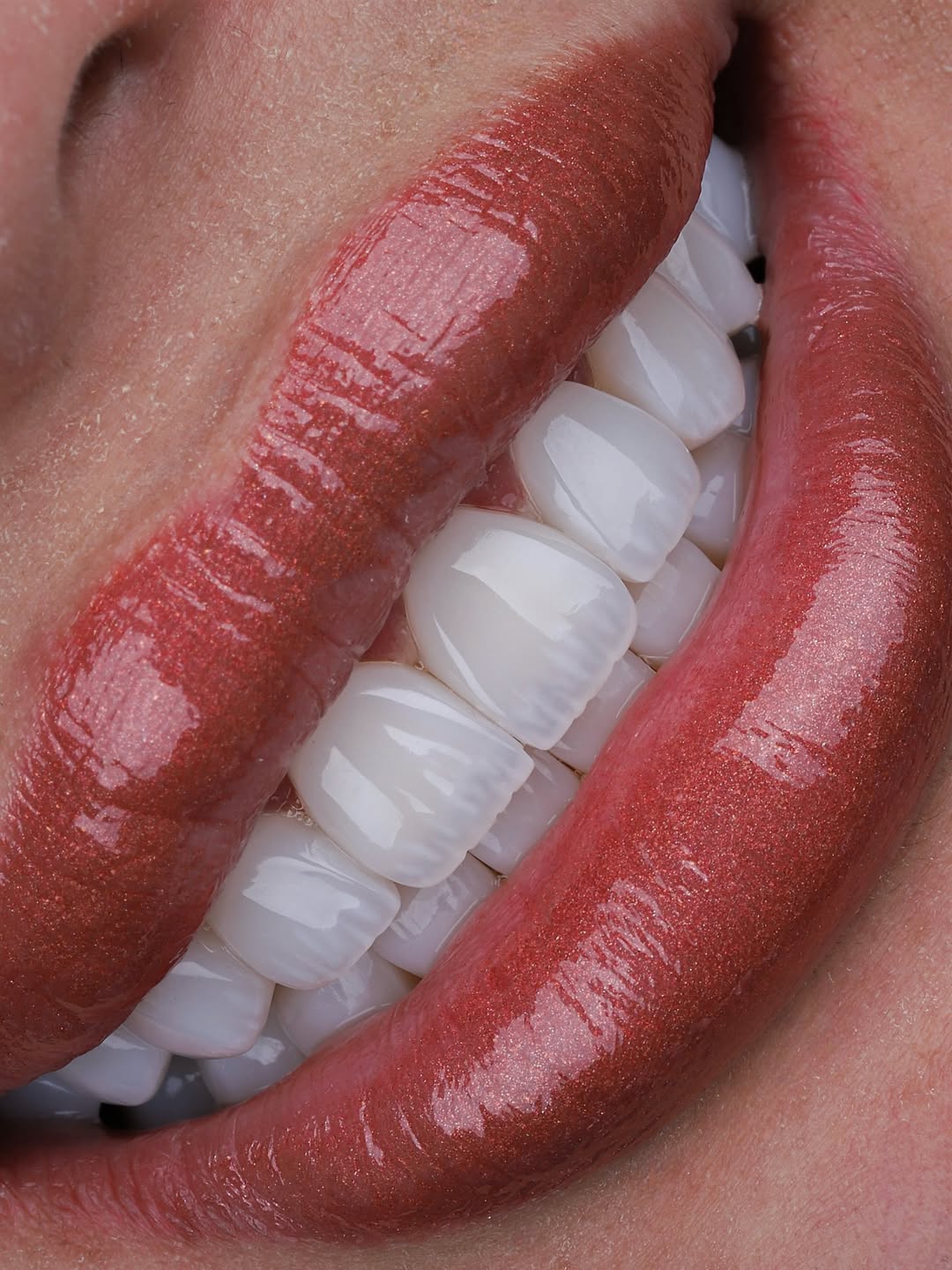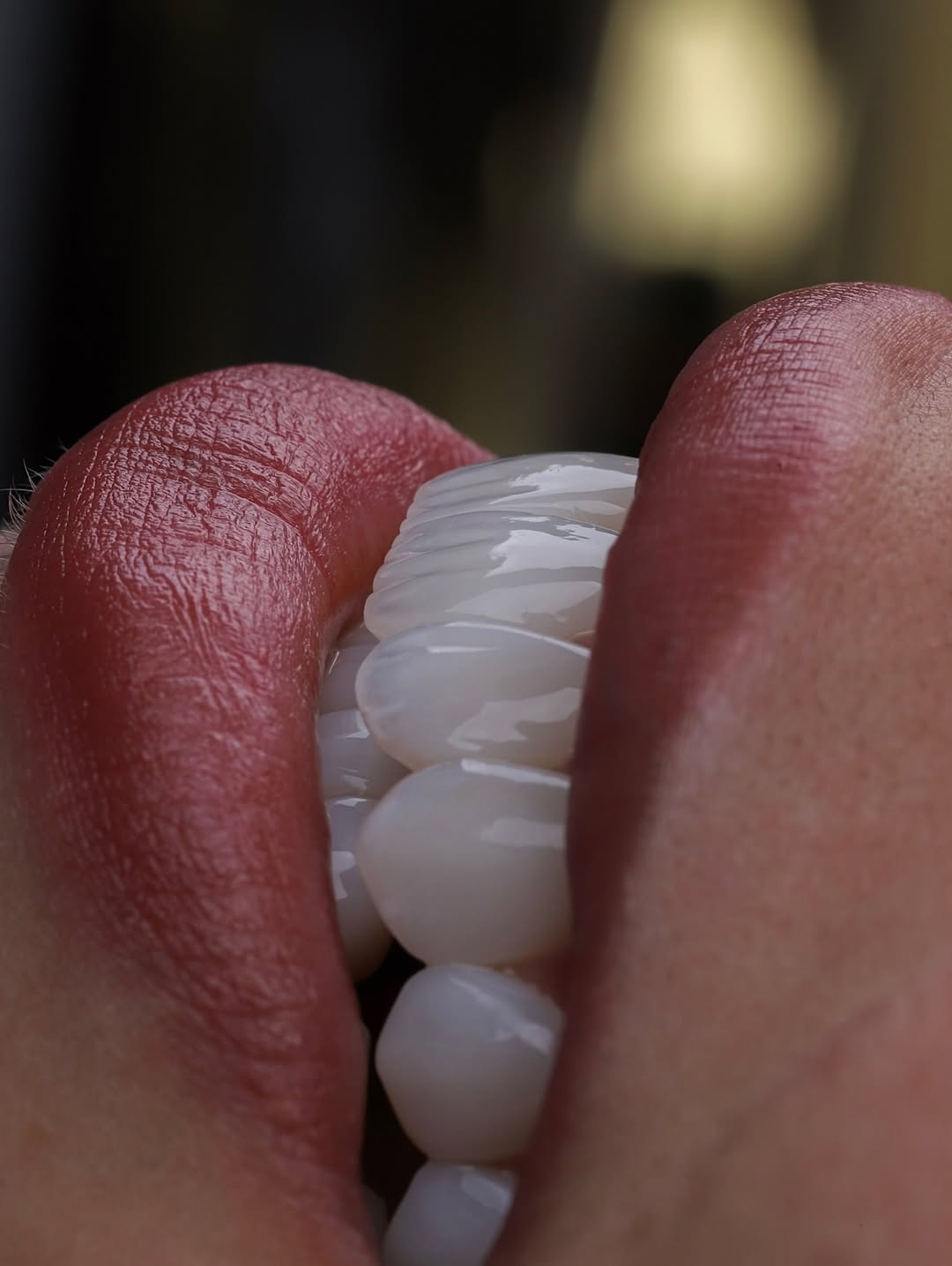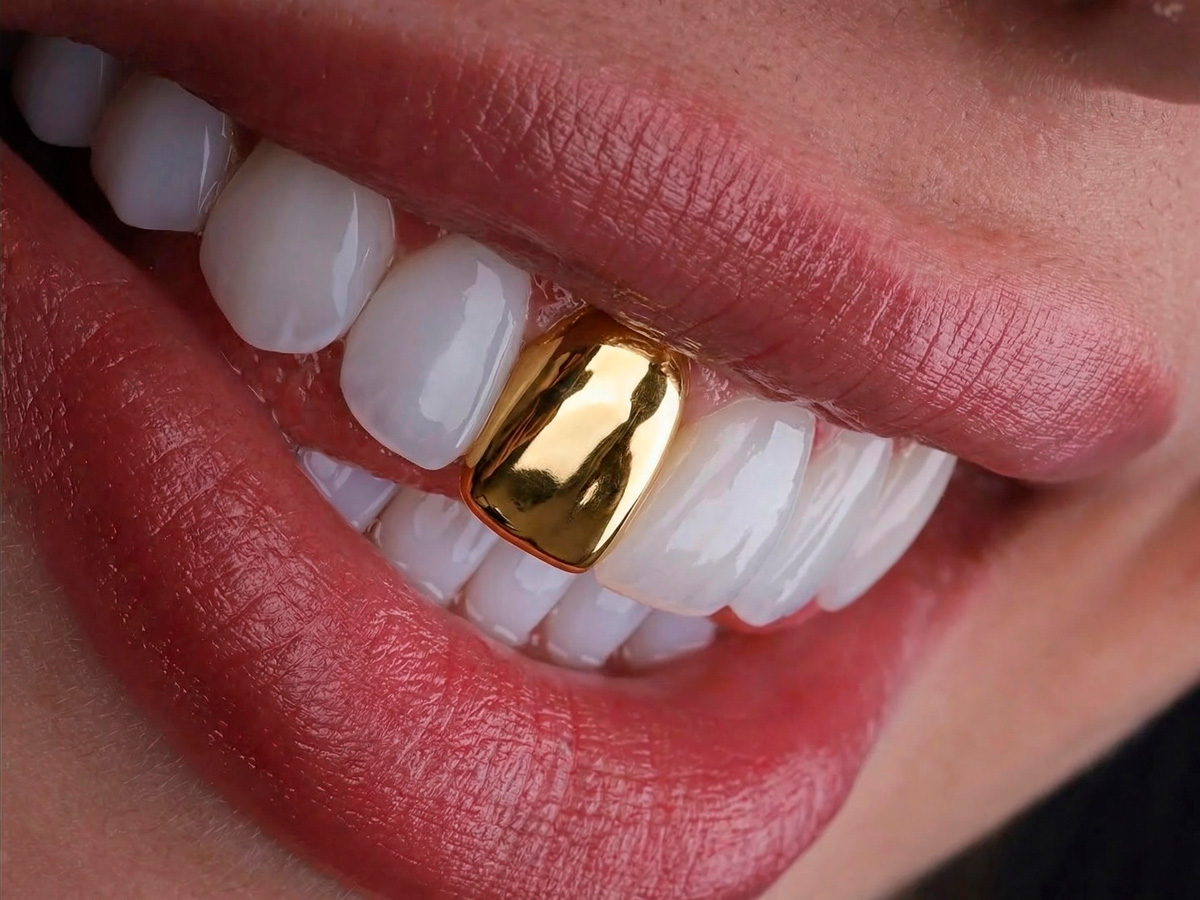
You want a bold, luxurious look, but you’re not sure whether gold veneers are a trendy gimmick or a smart, long‑term dental investment. And when you read “gold veneers,” you see everything from Hollywood bling to old‑fashioned metal crowns, which is confusing and a bit intimidating.
The same veneers cost up to 70% less in Colombia.
See if you qualify Free video call in English · on WhatsAppIndividual patient experience. Results and pricing are confirmed after a clinical evaluation.
In this guide we’ll cut through the noise, explain what gold veneers really are, how they compare with modern ceramic veneers, and whether they make sense for your smile—no jargon, just clear, evidence‑backed answers so you can decide with confidence.clinicaviena+2
Simplified Technical Explanation
What are gold veneers, really?
“gold veneers” usually means thin gold shells or overlays bonded to the front or biting surfaces of teeth, not just solid gold crowns.pubmed.ncbi.nlm.nih+1
Think of them as a luxury protective layer: they cover the tooth surface to improve aesthetics (in some designs) and to handle heavy chewing forces, while still letting you show off your natural‑looking smile or a statement gold accent.completesmilesbv+1
Main categories (in plain language)
- Bonded gold “veneers” / overlays
- Thin cast‑gold pieces bonded to the tooth with resin cement, often used on front or back teeth.pubmed.ncbi.nlm.nih+1
- These can be more like gold onlays or veneer‑like overlays than full‑coverage crowns, preserving more natural tooth.
- Gold‑faced veneers (acrylic‑gold or hybrid shells)
- Old‑style “acrylic veneer crowns” with a gold coping plus acrylic or resin facing, where the gold provides strength and the resin handles color and shape.pubmed.ncbi.nlm.nih+1
- Now mostly historical; modern versions use strong ceramics plus gold‑core designs in select cases.
- Gold crowns marketed as “gold veneers”
- Some clinics call full‑gold crowns on front teeth “gold veneers,” which is more accurate as “goldesthetic crowns” than true veneers.dmsdentistry+1
- These are more about function and durability than subtle cosmetic change.
All three options use gold for its unmatched strength and biocompatibility, but they look and behave very differently depending on where and how they are placed.pubmed.ncbi.nlm.nih+2
The Main Showdown: Gold Veneers vs Ceramic Veneers
For most people, the real choice is between gold‑based restorations (veneer‑like overlays or gold crowns) and modern ceramic veneers on the visible teeth.odontologos+2
Get your veneers in Colombia for up to 70% less.
In the US, 20 porcelain veneers run $30,000–$50,000. With Dr. Yazmin in Medellin, it's $6,900, all-inclusive.
Individual patient experience. Prices, inclusions and results are confirmed after a clinical evaluation. A full evaluation is required before any treatment.
Clinical data show that gold restorations in the mouth often reach 90%+ survival at 10 years, and ceramic veneers bond to enamel with similar or slightly higher survival when properly planned.pubmed.ncbi.nlm.nih+3
Gold veneers vs ceramic veneers
| Feature | Option A: Gold‑Based Veneers / Overlays | Option B: Ceramic Veneers | Brightness / Durability | Best For | Risk Level |
|---|---|---|---|---|---|
| Average lifespan | Indirect gold restorations in clinical studies show about 91–98% survival at 9–10 years, with some reports of 100% long‑term survival in specific cases.pubmed.ncbi.nlm.nih+2 Many experts describe gold as a multi‑decade material if well maintained. | Porcelain/lithium disilicate veneers show >90% survival at 10+ years when bonded mainly to enamel, with success rates around 85–95% at 10–15 years in systematic reviews.odontologos+1 | Gold: extremely durable, gentle on opposing teeth, low‑wear but not bright; ceramic: very bright, stain‑resistant, but can chip under extreme force.completesmilesbv+2 | Patients who prioritize maximum durability and low‑maintenance, especially in high‑bite‑force or bruxism cases. | Low to moderate when well‑designed; primary risk is marginal decay or poor contour, not the gold itself.pubmed.ncbi.nlm.nih+1 |
| Aesthetics | Cast gold overlays or veneers are golden‑colored; they can look elegant or dramatic, but they are not “tooth‑colored.”clinicaviena+1 | Ceramics mimic natural enamel, with high translucency and customizable shades, ideal for natural‑looking smiles.completesmilesbv+2 | Gold: striking, metallic brightness; ceramic: soft, tooth‑like brightness that blends with your face.clinicaviena+1 | People who want a statement gold smile or discreet gold accents (e.g., one or two teeth). | Medium: social acceptability and photogenic appeal depend heavily on personal taste and context.clinicaviena+1 |
| Tooth preparation | Gold overlays often require less tooth removal than full crowns, and gold’s wear properties closely match enamel.dmsdentistry+1 | Modern ceramic veneers are often minimal‑prep or no‑prep when enamel is preserved, but still need thinning of the front surface.odontologos+1 | Gold preserves more tooth structure; ceramic preserves more natural color and translucency.dmsdentistry+1 | Patients who want to preserve as much healthy tooth as possible, especially in high‑stress areas. | Low when prep is conservative; risk rises if aggressive reduction or poor bonding is used.odontologos+1 |
| Bite‑force handling | Gold restorations are superb at handling heavy chewing forces and bruxism, with very low fracture rates.pubmed.ncbi.nlm.nih+2 | Ceramics are strong but can chip or fracture under extreme, uneven forces, especially when bonded to dentin instead of enamel.odontologos+1 | Gold: high‑stress champion; ceramic: high‑stress‑capable but needs careful planning and bite‑adjustment.pubmed.ncbi.nlm.nih+2 | Heavy grinders, athletes, or people with strong posterior bites needing durable restorations. | Low for gold in molar‑like roles; higher for ceramics if bruxism or parafunction is not controlled.pubmed.ncbi.nlm.nih+1 |
| Cost & maintenance | Gold is material‑rich and technique‑sensitive, so it is usually more expensive than standard porcelain veneers.completesmilesbv+1 | Porcelain veneers are also high‑cost, but more predictable in color and shade for long‑term cosmetic coherence.odontologos+1 | Gold: higher upfront, very low‑maintenance long‑term; ceramic: high‑upfront, but shade‑stable and repairable in parts.completesmilesbv+1 | Budget‑flexible patients who want a long‑term functional upgrade rather than purely cosmetic change. | Low to moderate; mainly tied to oral hygiene, bite control, and material choice.pubmed.ncbi.nlm.nih+2 |
The Million‑Dollar Question: Are Gold Veneers Worth It?
Short Answer
Gold veneers or gold overlays are excellent for long‑term durability and bite‑force handling, but they are not “invisible” and work best as statement pieces or functional restorations rather than discreet cosmetic upgrades on multiple front teeth.clinicaviena+2
If you want a natural‑looking, camera‑ready smile, modern ceramic veneers are usually the better choice; if you want a dramatic, long‑lasting gold statement or a super‑durable back‑tooth veneer‑like restoration, gold can be ideal.completesmilesbv+2
Nuanced Answer: What does it depend on?
- Your aesthetic goals
- If you want a natural, tooth‑colored smile that blends with your face, gold veneers are usually not the first choice; ceramic or composite veneers are more appropriate.scribd+2
- If you want a bold, high‑impact look (e.g., social‑media content, celebrity‑style bling), gold veneers can be a deliberate style choice rather than a “disguised” restoration.clinicaviena+1
- Your bite forces and habits
- Heavy grinders, athletes, or people with strong back‑to‑tooth contacts often benefit from gold’s high survival under load, with studies showing 90%+ restorations at 9–10 years.pubmed.ncbi.nlm.nih+2
- If you have a light‑to‑moderate bite and good oral hygiene, ceramic veneers can deliver similar longevity with better aesthetics on visible teeth.odontologos+1
- Location of the teeth and social context
- Using gold on back teeth or a single front tooth is more socially acceptable and can be a powerful “signature” smile element.completesmilesbv+1
- A full‑gold smile on all front teeth tends to be polarizing and is often chosen for personal style rather than universal cosmetic standards.scribd+1
Customization Guide: Matching Gold Veneers to Your Face and Bite
Skin tone, age, and statement style
Studies on smile aesthetics show that brighter teeth are generally rated more attractive, but the relationship between tooth shade and skin tone is significant, and extremely bright or opaque shades can look unnatural on darker skin tones.pmc.ncbi.nlm.nih+1
This means gold veneers are not about “whitening” your smile, but about contrast and style:
- Fair to light‑medium skin
- Gold veneers create strong contrast and can look very striking, almost like jewelry on the face.clinicaviena+1
- Use one or two accent teeth rather than a full‑gold arch to keep it elegant instead of over‑the‑top.
- Medium‑dark to dark skin
- Gold can harmonize beautifully with richer skin tones, but a full‑gold smile may read as more theatrical.scribd+1
- Consider subtle gold accents on lateral incisors or one central tooth for a signature look that still feels natural in person.
- What to avoid
- Copy‑pasting celebrity “full‑gold” smiles without considering your skin, lip color, or personal style often leads to a mismatched result.scribd+1
- Over‑polished, ultra‑shiny gold veneers can look garish under natural daylight; a slightly softer, brushed finish often looks more sophisticated.clinicaviena
Age and bite‑type considerations
- Young adults and social‑media‑focused patients
- Gold veneers can be a personal branding choice if your identity includes bold aesthetics or luxury signals.accio+1
- Combine them with ceramic veneers on other teeth for a balanced yet standout look.pmc.ncbi.nlm.nih+1
- Middle‑aged and older patients
- For a statement smile, a single gold incisor or a mixed ceramic‑gold combination can feel more harmonious than a full‑gold arch.completesmilesbv+1
- Conservative gold overlays on wear‑prone teeth help protect and function for decades, especially if you have a history of cracked fillings or crowns.dmsdentistry+1
- Bruxism and strong bite
- Gold restorations are particularly suitable for heavy‑bite cases, where ceramic veneers might chip or fracture under prolonged stress.pubmed.ncbi.nlm.nih+2
- Gold is gentle on opposing teeth, so it is often preferred for high‑stress posterior veneer‑like overlays or occlusal coverage.dmsdentistry+1
Actionable Methods: 3 Tests Before You Commit
- The “mirror‑and‑video” test
- Use a photo‑editing app or your dentist’s shade‑simulation software to place a gold veneer on one or two teeth and record yourself talking and laughing.pmc.ncbi.nlm.nih+1
- If the gold feels like a natural extension of your personality rather than a costume, you’re on the right track.
- The “one‑tooth first” test
- If you’re unsure about a full‑gold smile, ask your dentist to place a gold veneer or overlay on a single tooth and live with it for a few weeks.pubmed.ncbi.nlm.nih+1
- This is a low‑risk way to test social reactions and how comfortable you feel with gold in everyday life.
- The bite‑stress test
- A thorough exam for bruxism, wear facets, and joint or muscle tenderness is essential before gold veneers, especially if you’re considering them for high‑stress teeth.pubmed.ncbi.nlm.nih+1
- If you already crack natural teeth or crowns, gold overlays can be a smart long‑term investment in those specific teeth.pubmed.ncbi.nlm.nih+1
Current Trends in Gold Veneers
Gold veneers are enjoying a niche renaissance as a luxury aesthetic choice, especially in cosmetic dentistry‑oriented markets and social‑media‑driven “smile‑makeover” trends.marketreportanalytics+2
Clinics worldwide report increased demand for gold accents on one or two teeth as a personal style statement, while serious restorative dentistry still relies on gold overlays for long‑term durability and bite‑force handling.pubmed.ncbi.nlm.nih+2
What patients are choosing this year
| Desired Look | Most Popular Option | Why People Choose It |
|---|---|---|
| Bold, high‑impact statement smile | Single or double gold veneers on prominent front teeth.clinicaviena+1 | Delivers instant visual impact, stands out on social media, and reflects a confident, luxury‑oriented identity.clinicaviena+1 |
| Discreet gold accent | One gold veneer on a lateral incisor or canine paired with ceramic veneers on the rest.clinicaviena+1 | Balances natural‑looking aesthetics with a subtle “signature” element that feels personalized but not overwhelming.clinicaviena+1 |
| Functional, long‑term back‑tooth restoration | Gold overlays or partial‑coverage gold crowns on premolars or molars.pubmed.ncbi.nlm.nih+2 | Offers decades of service, excellent bite‑force handling, and gentle wear on opposing teeth, especially in bruxism cases.pubmed.ncbi.nlm.nih+1 |
| Luxury travel‑health experience | Gold veneers as part of a dental‑tourism package in countries like Colombia, Mexico, or Thailand.clinicaviena+1 | Combines cost‑savings with high‑end cosmetic dentistry, appealing to international patients seeking a unique, photogenic smile.clinicaviena+1 |
The Step Before the Decision: What to Demand from Your Dentist
Before you commit to gold veneers, treat them like a long‑term investment and expect clear explanations and planning.
- Comprehensive diagnosis and treatment planning
- Full clinical exam, radiographs, periodontal evaluation, and bite analysis are essential because gold veneers, like any restoration, can fail if placed on a tooth with hidden decay or gum disease.odontologos+1
- Clear explanation of material choice and design
- Ask why your dentist recommends gold veneers, gold overlays, or gold‑core crowns, and how each performs for strength, aesthetics, and longevity in your specific case.pubmed.ncbi.nlm.nih+2
- Conservative preparation and enamel bonding
- Gold restorations often require less tooth reduction than full crowns, and modern bonding techniques improve longevity.pubmed.ncbi.nlm.nih+2
- Ask how much enamel will be removed and whether your case can be planned as minimally invasive.
- Protection plan for high‑risk bites
- If you clench or grind, studies clearly link bruxism to higher restoration failure, so you should expect a discussion about nightguards and bite adjustment.pubmed.ncbi.nlm.nih+1
- Realistic lifespan and replacement plan
- Gold restorations can reasonably be expected to last 20+ years with good care, but no restoration is truly permanent.completesmilesbv+1
- Know how replacement will work in 10–20 years and what your options are for updating your smile.
Conclusion and Action Plan
Use this as a quick decision roadmap:
- Clarify your goal
- Decide if you want a bold, statement gold smile, a discreet gold accent, or a functional, long‑term restoration for high‑stress teeth.clinicaviena+1
- Choose your option with time horizon in mind
- If you want maximum durability and low‑maintenance, lean toward gold veneers or overlays on selected teeth.pubmed.ncbi.nlm.nih+1
- If you want a natural, camera‑ready smile, modern ceramic veneers are usually the better choice.odontologos+1
- Match the smile to your face and bite
- Use selfie/video tests, mock‑ups, and shade discussions that consider your skin tone,