Overview
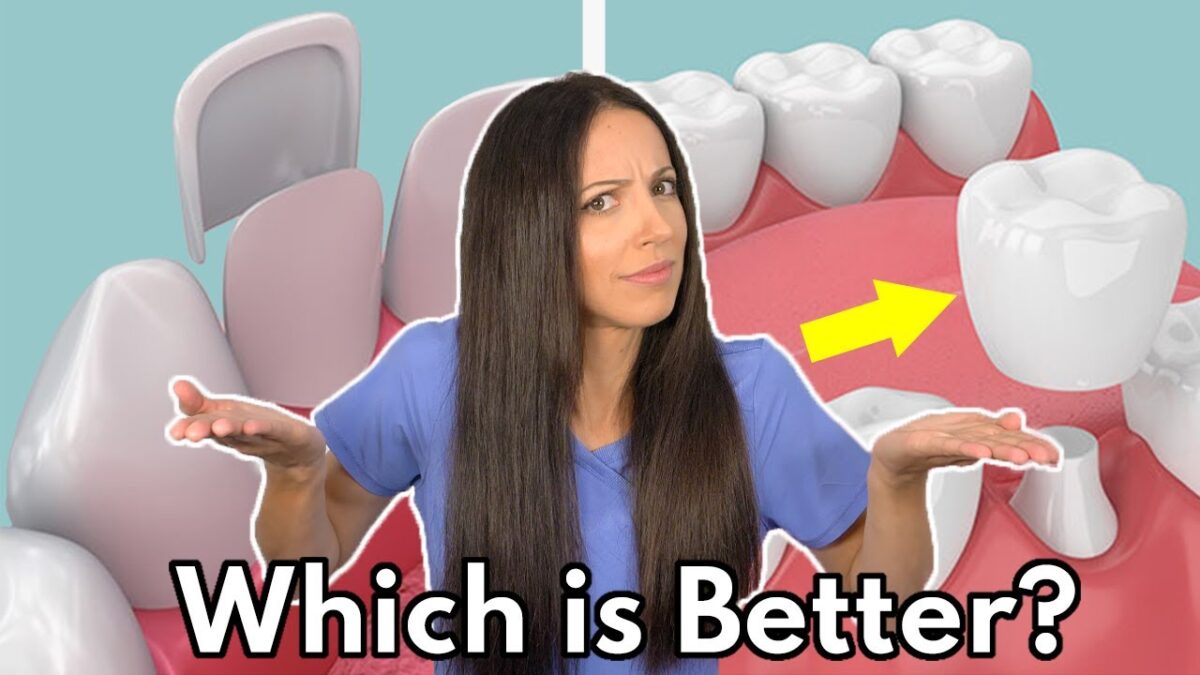
When it comes to transforming your smile, two of the most powerful tools in modern cosmetic and restorative dentistry are dental veneers and dental crowns. Both can dramatically improve the appearance of damaged, discolored, or misshapen teeth — but they serve distinct purposes, require different amounts of tooth preparation, and come with different price tags.
The same veneers cost up to 70% less in Colombia.
See if you qualify Free video call in English · on WhatsAppIndividual patient experience. Results and pricing are confirmed after a clinical evaluation.
The main difference is straightforward: a veneer covers only the front surface of a tooth, while a crown caps the entire tooth from all sides. But choosing between them requires a deeper understanding of your specific dental condition, cosmetic goals, and budget.
This ultimate guide covers everything you need to know — from how each procedure works, to which materials last longest, to what your insurance will (and won’t) pay for.
What Are Dental Veneers?
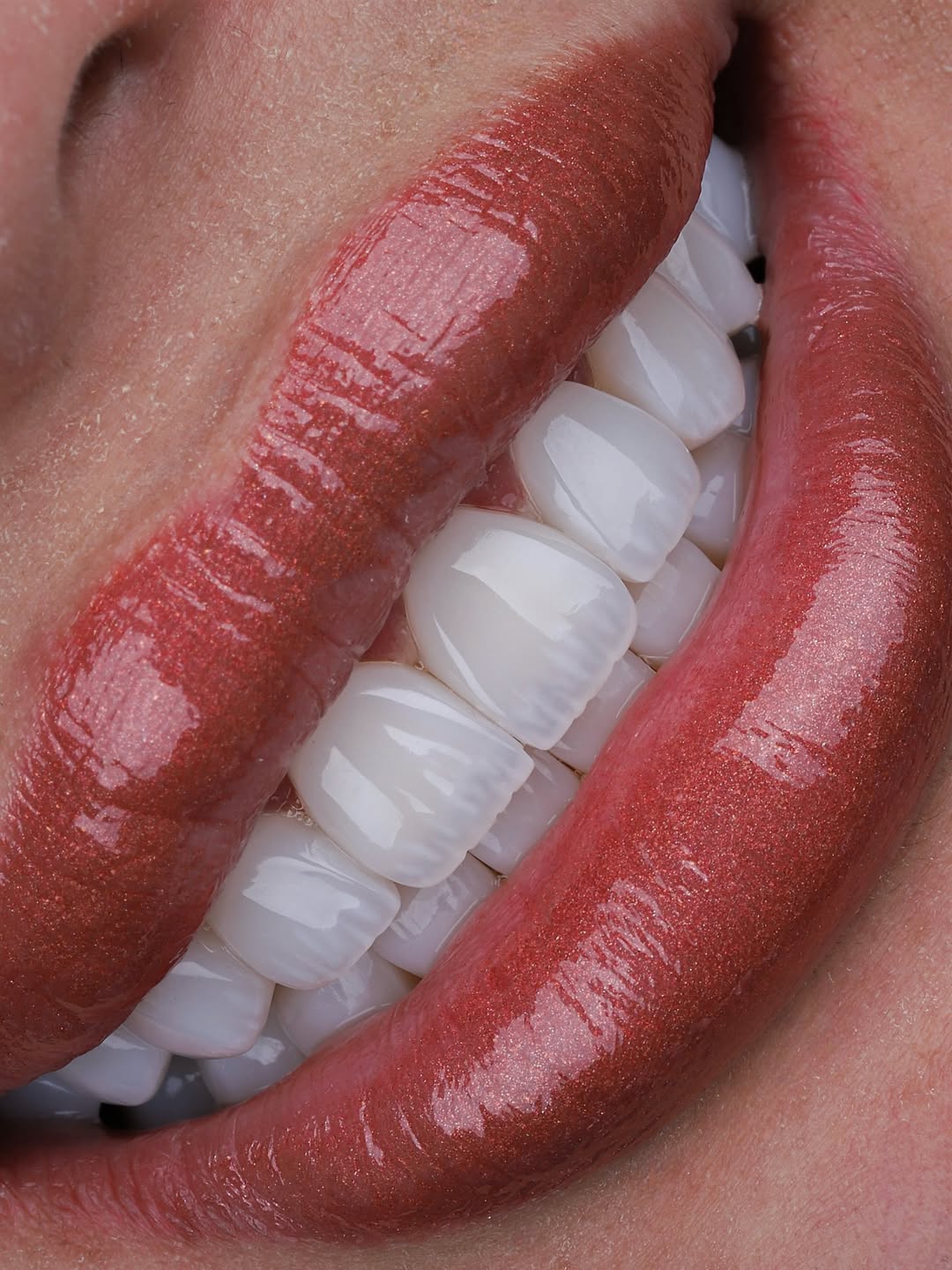
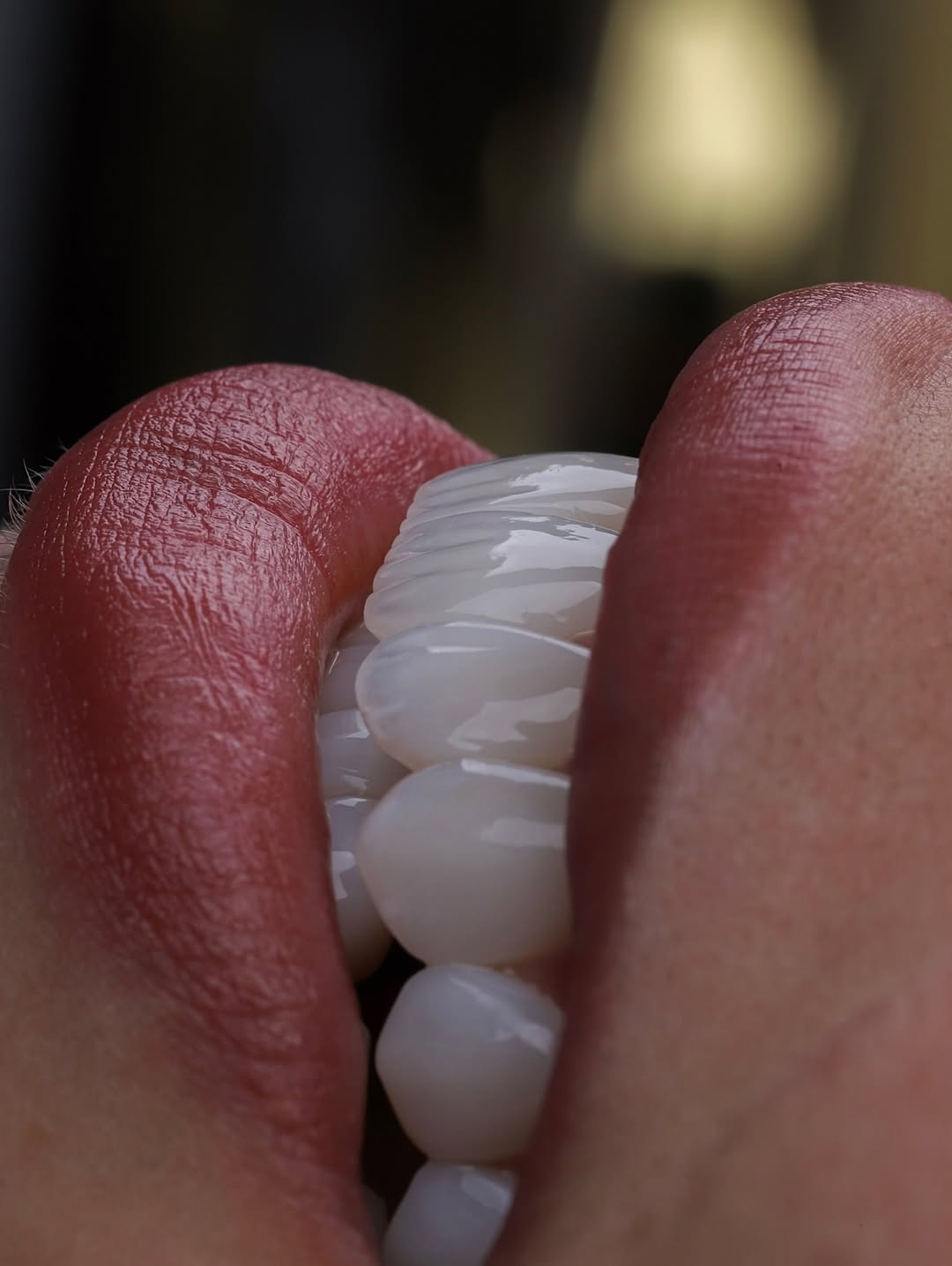
Dental veneers are ultra-thin, custom-made shells bonded to the front surface of your natural teeth to improve their color, shape, size, or overall appearance. They are primarily a cosmetic solution, designed to correct issues such as:
Wondering about sequence? Read Invisalign or veneers first.
- Severe discoloration or staining that does not respond to professional whitening
- Minor chips, cracks, or worn-down edges
- Gaps between teeth or slight misalignments
- Teeth that are uneven in shape or size
Veneers are typically about 0.3 to 0.7 mm thick — roughly the thickness of a contact lens. Because they cover only the front surface of the tooth, the procedure is far less invasive than a crown. Dentists remove approximately 0.3 to 0.5 mm of enamel from the front of the tooth to ensure the veneer fits flush with the gum line and doesn’t appear bulky or unnatural.
Get your veneers in Colombia for up to 70% less.
In the US, 20 porcelain veneers run $30,000–$50,000. With Dr. Yazmin in Medellin, it's $6,900, all-inclusive.
Individual patient experience. Prices, inclusions and results are confirmed after a clinical evaluation. A full evaluation is required before any treatment.
It’s important to understand that veneer placement is largely irreversible: once enamel is removed, the tooth will always need some form of restoration.
What Are Dental Crowns?
A dental crown — also called a “cap” — is a tooth-shaped restoration that fits completely over the visible portion of a damaged or weakened tooth. Unlike a veneer, a crown surrounds the tooth on all sides, providing full structural reinforcement.
Wondering about price? Compare the real veneers cost in Colombia vs the USA and our dental crowns cost guide to see what each option truly costs.
Crowns are typically recommended for teeth that have suffered significant damage or decay and are the go-to choice for:
- Severely cracked, broken, or worn-down teeth
- Teeth that have undergone a root canal
- Large fillings that compromise the integrity of the tooth
- Extensive decay that weakens the tooth’s natural structure
Crown preparation is more involved than a veneer. A dentist must shape and reduce the entire outer surface of the tooth — not just the front — to allow the crown cap to seat properly. A crown is approximately 1.5 to 2 mm thick and covers 360 degrees of the tooth.
Because crowns encase the full tooth, they offer superior structural protection and are typically stronger than veneers under heavy biting forces.
Veneers vs Crowns: Key Differences at a Glance
| Feature | Dental Veneer | Dental Crown |
|---|---|---|
| Coverage | Front surface only | Entire tooth (360°) |
| Thickness | ~0.3–0.7 mm | ~1.5–2 mm |
| Enamel Removal | 0.3–0.5 mm (minimal) | Significantly more |
| Primary Purpose | Cosmetic enhancement | Restorative + cosmetic |
| Best For | Stains, chips, gaps, shape | Decay, fractures, root canals |
| Reversibility | Largely irreversible | Largely irreversible |
| Average Lifespan | 10–15 years (porcelain) | 10–20+ years |
| Average Cost (US) | $990–$2,169 per tooth | $800–$2,500+ per tooth |
| Insurance Coverage | Rarely covered (cosmetic) | Partial coverage common |
Material Options: Which Type Is Best?
Both veneers and crowns are available in a range of materials. The choice of material affects aesthetics, durability, and cost.
Veneer Materials
- Composite Resin Veneers: The most affordable option, applied directly to the tooth in a single visit. They are easy to repair but more prone to chipping and staining. Lifespan is typically 5 to 7 years.
- Porcelain (Feldspathic) Veneers: Custom-crafted in a lab, highly lifelike with excellent translucency. They resist staining and last 10 to 15 years or more with proper care.
- Emax (Lithium Disilicate) Veneers: Made from a strong glass ceramic, Emax veneers combine durability and natural appearance. They can last 10 to 15 years and require less enamel removal than zirconia.
- Zirconia Veneers: The strongest veneer material, ideal for patients who grind their teeth (bruxism). More opaque than porcelain, so slightly less natural-looking, and generally the most expensive option.
Crown Materials
- Porcelain-Fused-to-Metal (PFM): A metal base for strength with a porcelain exterior for aesthetics. Lifespan of 10–15 years; may show a dark metal line at the gum over time.
- All-Ceramic / All-Porcelain Crowns: Excellent aesthetics, no metal. Last 10–20 years and are ideal for front teeth.
- Zirconia Crowns: Extremely durable and biocompatible. Withstand heavy chewing forces, making them ideal for back teeth.
- Gold Crowns: The longest-lasting material — potentially 25–30 years — but rarely chosen for visible teeth due to appearance.
How Long Do Veneers and Crowns Last?
Longevity is one of the most common concerns patients have. In general, crowns tend to outlast veneers because they encase the entire tooth and provide more structural protection.
- Porcelain veneers last an average of 10 to 15 years, and with excellent oral hygiene can exceed 20 years.
- Composite veneers typically need replacement after 4 to 8 years.
- Dental crowns last 10 to 15 years on average, with some lasting 25 to 30 years depending on material and care.
Key factors that affect lifespan for both restorations include:
- Daily oral hygiene — brush twice daily with a soft-bristled toothbrush and fluoride toothpaste
- Bruxism (teeth grinding) — consider a night guard to prevent premature wear
- Diet — avoid biting hard objects, ice, or using teeth as tools
- Regular dental checkups — every six months to catch issues early
- Smoking — can stain restorations and impair gum health
How Much Do Veneers and Crowns Cost in the US?
Dental costs vary widely based on geography, the dentist’s expertise, materials chosen, and treatment complexity.
Ready to transform your smile? Compare the best porcelain veneers clinics in Colombia for 2026.
Veneer Costs
- Composite veneers: Generally more affordable, completed in one visit
- Porcelain veneers: Average $1,359 per tooth at major networks, ranging from $990 to $2,169
- National average (all types): $900 to $2,500 per tooth
Crown Costs
- Average crown cost: $800 to $1,500 per tooth
- Premium materials (porcelain, zirconia): Can reach $2,500 or more per tooth
Keep in mind that a full smile makeover (8–10 veneers) can total $8,000–$20,000 or more before financing. Always request a written treatment plan with itemized pricing before committing.
Does Insurance Cover Veneers or Crowns?
Insurance coverage is a critical factor in the decision-making process, and the rules differ significantly between veneers and crowns.
Veneers and Insurance
Most dental insurance plans do not cover veneers because they are classified as a cosmetic procedure. Standard plans cover preventive care at 100%, basic care (fillings) at 80%, and major restorative work at 50% — but cosmetic procedures fall outside all three tiers.
There is one important exception: if a veneer is deemed medically necessary — for example, to restore a tooth damaged by injury or trauma — partial coverage may apply. PPO plans offer the best chance of partial reimbursement in these cases. Pre-authorization and thorough documentation are essential.
Crowns and Insurance
Crowns fare much better with insurance. Because they are classified as restorative procedures, most major dental plans cover a portion of crown costs — typically 50% of the cost for major restorative care, subject to your annual maximum (commonly $1,000–$2,000).
Coverage is more likely when the crown is needed due to decay, fracture, or following a root canal rather than purely for cosmetic reasons.
Financing Options for Veneers and Crowns
For costs not covered by insurance, multiple financing solutions are available:
Planning treatment abroad? Start with our complete veneers in Colombia guide for international patients.
- CareCredit: A dedicated healthcare credit card accepted at over 285,000 locations nationwide. Offers promotional no-interest financing for 6, 12, 18, or 24 months on purchases of $200 or more when the full balance is paid within the promotional period. Longer-term options (24–60 months) are available for larger balances at a reduced APR.
- In-house financing: Many dental practices offer their own payment plans, particularly larger networks like Aspen Dental, where 99% of applicants are approved for third-party financing.
- Dental savings plans: Discount programs (not insurance) that offer reduced fees on procedures, available directly from many dental offices.
Pre-qualifying for financing typically does not impact your credit score, allowing you to explore options before committing to treatment.
Which Is Better for Severely Damaged Teeth?
If a tooth is severely damaged, the answer is almost always a crown. A dental crown is the best option when:
- The tooth has structural cracks that compromise its integrity
- The tooth has already had a root canal
- There is extensive decay inside the tooth
- The tooth contains a large existing filling
A veneer is preferred when the damage is purely cosmetic or superficial — for example, a chipped front tooth where the internal structure remains healthy. In these cases, choosing a veneer preserves significantly more natural tooth structure.
The guiding clinical principle is: the more structurally compromised the tooth, the stronger the case for a crown. Dentists always aim to preserve as much natural tooth structure as possible, making the less invasive veneer preferable when conditions allow.
Veneers vs Crowns for Front Teeth
For most patients concerned about the cosmetic appearance of their front teeth, veneers are the preferred choice. They require minimal enamel removal, deliver exceptional aesthetic results, and are specifically designed for front-tooth smile makeovers.
However, front teeth that are fractured, have had root canals, or are structurally weak may require crowns, which provide 360-degree protection. The decision ultimately comes down to the tooth’s structural health, not its location.
From a purely aesthetic standpoint, both veneers and crowns can look extremely natural. However, veneers are generally considered superior for smile makeovers because they allow the dentist to precisely control the shape, color, and translucency visible from the front.
Pros and Cons of Dental Veneers
Advantages
- Minimally invasive — preserves more natural tooth structure
- Highly aesthetic — porcelain mimics the natural translucency of enamel
- Stain-resistant (porcelain veneers)
- Ideal for cosmetic corrections: gaps, discoloration, minor chips
- Can last 15+ years with proper care
Disadvantages
- Largely irreversible procedure
- Rarely covered by dental insurance
- Not suitable for teeth with significant structural damage
- Can chip or crack under heavy bite pressure
- Composite veneers stain and chip more easily (shorter lifespan: 5–7 years)
Pros and Cons of Dental Crowns
Advantages
- Full 360° structural protection and reinforcement
- Suitable for severely damaged, cracked, or decayed teeth
- Longer average lifespan — up to 20–30 years depending on material
- Partially covered by most dental insurance plans
- Can be placed on dental implants as a complete tooth replacement
Disadvantages
- Requires significantly more enamel removal
- More invasive procedure
- Metal-line visibility possible with PFM crowns at the gumline
- More expensive upfront for premium materials
- Two appointments typically required
The Step-by-Step Procedure
Getting Veneers: What to Expect
- Consultation: Your dentist evaluates your oral health, discusses materials, reviews reference photos, and creates a treatment plan
- Addressing underlying issues: Any cavities, gum disease, or infections must be treated before veneer placement proceeds
- Tooth preparation: Approximately 0.3–0.5 mm of enamel is removed from the front of the tooth
- Impressions: Digital or traditional impressions are taken and sent to a dental lab
- Temporary veneers: Placed to protect prepared teeth while permanent veneers are fabricated (2–3 weeks)
- Bonding appointment: Permanent veneers are fitted, adjusted for shade and bite, and bonded with dental cement
- Follow-up: A final checkup approximately one week later
Getting a Crown: What to Expect
- Consultation and diagnosis: X-rays and exam to assess damage and treatment need
- Tooth preparation: The tooth is shaped and reduced on all sides to accommodate the crown cap
- Impressions: Mold of the prepared tooth sent to the lab
- Temporary crown: Placed while the permanent crown is manufactured
- Crown placement: Permanent crown is seated, adjusted for bite, and cemented
How to Prepare for Your Dental Appointment
Whether you’re getting veneers or a crown, the preparation steps are similar:
- Eat normally before your appointment — procedures are typically performed under local anesthetic, and arriving on an empty stomach is unnecessary
- Continue regular medications unless your dentist advises otherwise; inform your dentist of blood thinners or antibiotics
- Brush and floss thoroughly before your appointment
- Avoid smoking and alcohol for at least 24 hours prior — smoking can impair healing and stain temporary restorations
- Bring reference photos of smiles you find appealing to help your dentist understand your aesthetic goals
- Prepare questions about material options, expected timeline, aftercare, and total cost
Before and After: What Results Can You Expect?
Both veneers and crowns can deliver stunning, natural-looking results. Porcelain veneers are particularly renowned in cosmetic dentistry for their ability to create dramatic smile transformations — correcting the color, shape, and spacing of multiple teeth simultaneously.
Many dental offices provide digital smile mockups before treatment, allowing patients to preview their expected results before any enamel is removed. Searching for “before and after veneers” or “cosmetic dentistry results” on dentist websites and platforms like Google Maps or RealSelf can help set realistic expectations and help you choose a provider whose aesthetic aligns with yours.
Finding a Cosmetic Dentist Near You
When searching for a qualified provider for veneers or crowns, look for:
- A cosmetic dentist or prosthodontist with specific experience in smile makeovers
- Before-and-after photo portfolios from actual patients
- Reviews on Google, Yelp, and Healthgrades
- Membership in professional organizations such as the American Academy of Cosmetic Dentistry (AACD)
- In-office smile design process or preview technology
- Clear written cost estimates before treatment begins
Scheduling a consultation (often free or low-cost) at two or more offices allows you to compare recommendations, approaches, and pricing before committing to treatment.
Frequently Asked Questions (FAQs)
What are the main differences between dental veneers and crowns?
The core difference is coverage: a veneer covers only the front surface of a tooth, while a crown caps the entire tooth. Veneers are primarily cosmetic, ideal for staining, chips, and gaps. Crowns are restorative, designed to rebuild and protect structurally damaged teeth. Veneers require less enamel removal and are less invasive; crowns are stronger and more durable under biting pressure.
Which is better for a severely damaged tooth — a veneer or a crown?
A crown is strongly preferred for severely damaged teeth. If a tooth is cracked through to the interior, has undergone a root canal, contains large fillings, or has significant decay, a crown provides the full 360-degree structural protection needed. A veneer is only appropriate when the damage is cosmetic and the tooth’s internal structure remains healthy.
How much do dental veneers and crowns typically cost in the US?
Porcelain veneers average around $1,359 per tooth, with a price range of approximately $990 to $2,169. Dental crowns typically range from $800 to $1,500 per tooth, with premium materials such as zirconia reaching $2,500 or more. Costs vary significantly based on geographic location, the dentist’s experience, and the material chosen.
How long do veneers last compared to dental crowns?
On average, porcelain veneers last 10–15 years, while dental crowns last 10–15 years on average, with some lasting 20–30 years. Composite veneers have a shorter lifespan of approximately 5–7 years. Crowns generally have a longer lifespan advantage due to their full coverage and stronger material thickness.
What are the pros and cons of porcelain veneers vs porcelain crowns?
Porcelain veneers offer superior aesthetic customization with minimal tooth reduction, natural translucency, and stain resistance — but do not restore structural integrity and are rarely covered by insurance. Porcelain crowns provide both aesthetic quality and full structural reinforcement, partial insurance coverage for restorative cases, and greater durability — but require more invasive preparation and more enamel removal.
What is the typical tooth preparation for veneers versus crowns?
For veneers, a dentist removes approximately 0.3 to 0.5 mm of enamel from the front surface of the tooth. For crowns, significantly more tooth structure is removed from all sides — the entire outer surface is shaped to accommodate the crown cap, which is approximately 1.5 to 2 mm thick. Both procedures are largely irreversible because enamel cannot regenerate.
Do dental insurance plans cover veneers or crowns?
Veneers are classified as cosmetic procedures and are generally not covered by dental insurance. There is an exception when a veneer is medically necessary due to trauma or injury. Crowns are classified as restorative and are typically covered at approximately 50% of cost by major dental plans when medically necessary, subject to annual plan maximums.
Are there different material options for veneers and crowns, and which are best?
Yes. For veneers: composite resin (affordable, single-visit, 5–7 year lifespan), porcelain (natural appearance, stain-resistant, 10–15 years), Emax glass ceramic (strong and natural, 10–15 years), and zirconia (strongest, ideal for grinders, most expensive). For crowns: PFM (10–15 years), all-ceramic/all-porcelain (10–20 years), zirconia (strongest, great for back teeth), and gold (longest-lasting at 25–30 years). The “best” material depends on the tooth’s location, function, and patient lifestyle.
Can I get financing options for veneers or crowns at major dental providers?
Yes. CareCredit is accepted at over 285,000 locations nationwide and offers promotional no-interest financing for 6 to 24 months, and longer-term reduced-APR plans for balances up to $2,500+ over 60 months. Major dental networks such as Aspen Dental offer third-party financing with a reported 99% approval rate. Many dental offices also offer in-house payment plans and dental savings programs.
Are there any at-home kits for veneers or crowns?
Over-the-counter “snap-on” veneers and temporary crown kits exist, but they are not a substitute for professional dental work. They do not bond to the tooth, do not address underlying dental problems, and can potentially cause harm if used incorrectly. Professional veneers and crowns require precise tooth preparation, lab fabrication, and clinical bonding — processes that cannot be safely replicated at home. Always consult a licensed dentist for these procedures.
What are the pros and cons of choosing veneers over crowns for front teeth?
Choosing veneers for front teeth means preserving more natural tooth structure, achieving highly customized aesthetics, and enjoying a minimally invasive procedure. The trade-off is that veneers offer no structural reinforcement, are not covered by insurance, and are not appropriate for teeth that are heavily damaged. Crowns on front teeth provide superior strength but require more invasive preparation and are generally preferred only when structural damage makes a veneer clinically inappropriate.
How do I find a cosmetic dentist near me offering both veneers and crowns?
Start by searching Google Maps or Healthgrades for “cosmetic dentist near me” or “prosthodontist near me.” Filter for providers with verified before-and-after photos, strong review scores (4.5+ stars), and membership in the American Academy of Cosmetic Dentistry (AACD). Schedule consultations at two or three offices to compare treatment recommendations and pricing. Many top cosmetic dental practices offer digital smile previews before any preparation begins.
How to prepare for a dental appointment for veneers or crowns?
Before your appointment: eat a light meal, continue routine medications, and brush and floss thoroughly. Avoid alcohol and smoking for at least 24 hours beforehand. Bring reference photos of smiles you admire, a list of questions about materials and timeline, and your insurance card. If you have dental anxiety, discuss sedation options with your dentist during the consultation. Expect two or more appointments for either procedure and plan accordingly.
Reviews of popular veneer and crown materials used by dentists
Porcelain veneers consistently receive high marks from both dentists and patients for natural appearance and stain resistance. Emax veneers are widely praised in clinical settings for their blend of strength and aesthetics. For crowns, zirconia crowns are the current standard of care for their biocompatibility and durability. Gold crowns are favored by some for longevity in back teeth, despite their appearance. Composite veneers are preferred by budget-conscious patients who want quick results and accept a shorter lifespan.
Insurance coverage for restorative dental procedures like veneers and crowns
The distinction between cosmetic and restorative classification drives insurance outcomes. Restorative dental procedures — those that repair function and treat disease — receive partial coverage under most major dental plans, including crowns, fillings, and root canals. Cosmetic procedures, including veneers for aesthetic purposes, are explicitly excluded from standard plans. When a procedure straddles both categories (e.g., a veneer to restore a trauma-damaged tooth), documentation of medical necessity and pre-authorization can unlock partial benefits.
🦷 Dental Resources: Veneers vs. Crowns
⚖️ Comparisons: Veneers vs. Crowns
- Veneers vs. crowns: What’s the difference? Aspen Dental
- Dental Veneers or Crowns – Which One Lasts Longer? Serene Dental
- Veneers vs. Crowns: Which is Best for Your Smile? Old Betsy Dental
- Veneers vs Crowns: Practical Differences & Costs International Clinics
- Veneers And Crowns: What Is The Difference? Gentle Dental
- Laminate Veneers Or Zirconium Crowns? Which One is Better? Clinic Prime Istanbul
- Cracked Tooth: Crown or Veneer? (What Dentists Recommend) Heritage Dental
- Are Dental Crowns Better than Veneers for Front Teeth? SND Dental
- Crown or Veneers: Which is Right for You? Meredith Davis DDS
- Veneers Vs Crowns: 7 Critical Differences You Can’t Ignore D’Amico Dental Care
- Dental Crown vs Veneer: What’s the Difference? Instagram Reel
💰 Costs, Insurance, and Financing
- What to Expect: The Cost of Dental Crowns in 2024 Thompson Dental
- Affordable Veneers Cost | Smile Makeover Aspen Dental
- How Much Do Veneers Cost in 2025? Bookimed
- Does Insurance Cover Veneers? Cost & Coverage Guide My Glow Up Dentistry
- Veneers Covered By Insurance (Chipped Tooth) Reimels Dentistry
- Dental Insurance for Veneers in 2025: What You Need to Know Dentist San Francisco
- Full Coverage Dental Insurance Cigna Healthcare
- Dental Credit Card and Dental Financing Options CareCredit
- CareCredit Dental Financing Boca Dental
- Care Credit Interest Free Financing Dr. Ronnie Hancock
- Dental Financing Guide & Options Aspen Dental
📋 Guides, Preparation, and Procedures
- A Simple Guide to Veneers: Composite, Emax, Porcelain and Zirconia Dr. Katy Nolan
- Tooth Enamel Removal & Veneers: Understanding the Process AZ Dentistry
- What Kind of Preparation Is Required for Dental Veneers? Hewett DDS
- Preparing for Your Veneers Appointment: What to Know and Do Wise Dental
- Pre-Operative Instructions for Your Dental Veneers Appointment Renwick Dental