What Is a Gummy Smile? The Clinical Definition
A gummy smile — clinically known as excessive gingival display — is defined as the exposure of more than 3–4 mm of gum tissue above the upper incisors when a person smiles naturally. While some degree of gum visibility is perfectly normal, anything beyond that threshold is perceived aesthetically as disproportionate by most patients and dental professionals alike.
The same veneers cost up to 70% less in Colombia.
See if you qualify Free video call in English · on WhatsAppIndividual patient experience. Results and pricing are confirmed after a clinical evaluation.
The condition has several possible anatomical causes, and identifying the correct one is essential before choosing any treatment:
- Muscular hyperactivity: The upper lip elevator muscles — particularly the levator labii superioris alaeque nasi — contract with excessive force, pulling the lip too high when smiling.
- Altered passive eruption: The gum tissue has not fully receded to its natural position, leaving the clinical crowns shorter than they should be.
- Vertical maxillary excess: The upper jaw itself is anatomically longer than average, causing more gum exposure regardless of soft tissue behavior.
- Short upper lip: A naturally shorter philtrum distances the lip further from the gum line.
Each cause requires a different treatment. This distinction is not academic — it determines whether Botox is appropriate or whether surgery is the only effective solution. At Doctor Yazmin’s clinic in Medellín, the first step in any gummy smile consultation is a precise diagnosis of the underlying cause.
Surgical vs. Non-Surgical Treatment Paths
Once the cause is established, treatment falls into two broad categories.
Surgical Options
Crown lengthening / gum contouring (gingivectomy): Indicated when the problem is altered passive eruption — excess gum tissue covering otherwise normal-length teeth. The gum is surgically reshaped to expose more tooth structure. Recovery takes 2–4 weeks and results are permanent.
Lip repositioning surgery: A strip of mucosa is removed from the upper vestibule, effectively limiting how high the lip can rise when smiling. Suitable when muscular hyperactivity is the cause but the patient wants a permanent solution. It is an oral surgery procedure performed under local anesthesia.
The same veneers in Colombia cost up to 70% less.
In the US, 20 porcelain veneers run $30,000–$50,000. With Dr. Yazmin in Medellin, it's $8,000, all-inclusive.
Individual patient experience. Prices, inclusions and results are confirmed after a clinical evaluation. A full evaluation is required before any treatment.
Choosing dental veneers in Colombia allows you to combine top-tier dental work with an unforgettable South American adventure.
Orthognathic surgery: Reserved for cases of true vertical maxillary excess. This is jaw surgery — significant in scope, recovery, and cost — typically the last resort.
The Non-Surgical Option: Botox
When a gummy smile is caused primarily by hyperactive upper lip elevator muscles, Botox (botulinum toxin type A) offers a fast, reversible, and cost-effective alternative to surgery. It does not address bone structure or excess gum tissue — but for the right candidate, it eliminates the need for any scalpel at all.
How Botox Works for Gummy Smile
The injection targets the levator labii superioris alaeque nasi (LLSAN) muscle, which runs alongside the nose and is responsible for elevating the upper lip. When small doses of botulinum toxin are injected into this muscle, it temporarily reduces the muscle’s contractile force — the lip still moves naturally for speech and expression, but it no longer pulls up as far when smiling.
The Protocol
- Dose: Typically 2–4 units of Botox per side (4–8 units total). The exact dose depends on muscle bulk, the degree of gingival display, and the injector’s clinical judgment.
- Injection site: Bilateral points adjacent to the alar base of the nose, targeting the LLSAN without affecting the orbicularis oris (which controls lip pursing and speech).
- Onset: Initial effects appear in 3–5 days. Full results are visible at 2 weeks.
- Appointment time: The injection itself takes under 10 minutes. No anesthesia is required, though topical numbing cream can be applied.
The precision of this injection is what separates a skilled injector from a general practitioner with basic Botox training. The LLSAN is anatomically close to muscles that control lip movement, and incorrect placement can cause temporary lip asymmetry or speech changes.
Who Is a Good Candidate for Botox — and Who Is Not
Botox for gummy smile is highly effective when the underlying cause is muscular hyperactivity. It is not appropriate when the primary issue is structural.
Good Candidates
- Patients whose gummy smile is visible primarily when smiling broadly (dynamic display), not at rest
- Patients where the gum exposure reduces or disappears when the lip is manually held slightly lower
- Patients who want to trial an aesthetic improvement before committing to surgery
- Patients who prefer a reversible, repeatable procedure with no downtime
Poor Candidates — Surgery or Other Treatments More Appropriate
- Patients with altered passive eruption: The teeth look short because the gum hasn’t fully receded. Botox will not expose more tooth structure — crown lengthening is needed.
- Patients with vertical maxillary excess: The jaw is anatomically long. This is a skeletal issue Botox cannot address.
- Patients with gingival display at rest (not just when smiling): Suggests a structural, not muscular, cause.
At the consultation at Doctor Yazmin’s clinic in Medellín, a clinical photograph analysis and muscle palpation during smile are used to confirm which mechanism is at play before any treatment is recommended.
Duration of Results and Why Some Patients Prefer Botox Before Surgery
Botox results for gummy smile typically last 3–6 months, after which the muscle gradually regains its normal contractility and the gummy smile returns to its previous level. Patients who want to maintain results must repeat the injection on this cycle.
This temporary nature is actually an advantage for a specific patient group: those who are undecided about surgery. Botox allows a patient to live with the result for several months — understanding what a reduced lip elevation looks like in photos, in conversation, and in daily life — before committing to a permanent surgical procedure. Many patients who start with Botox eventually transition to lip repositioning surgery. Others find they are perfectly satisfied with the ongoing Botox cycle and never pursue surgery at all.
Cost of Botox for Gummy Smile in Colombia vs. Other Countries
One of the most compelling reasons international patients consider treatment in Medellín is the significant cost difference for equivalent quality.
| Country | Approximate Cost per Session |
|---|---|
| Colombia (Medellín) | $80–$200 USD |
| United States | $300–$600 USD |
| United Kingdom | £200–£450 |
The price difference reflects local operating costs, not a difference in product or technique. Botox used in Colombian clinics is the same FDA-approved botulinum toxin type A (Allergan, Galderma, or equivalent) used globally. The savings on a full course of treatment — including multiple sessions over a year — can be substantial.
Combining Botox with Veneers: A Dual Approach to Smile Aesthetics
Some patients present with two overlapping concerns: excess gum display and tooth color or shape issues. For these patients, a combination approach often delivers the most complete smile transformation.
- Botox addresses the vertical lip position — reducing how much gum is exposed when smiling.
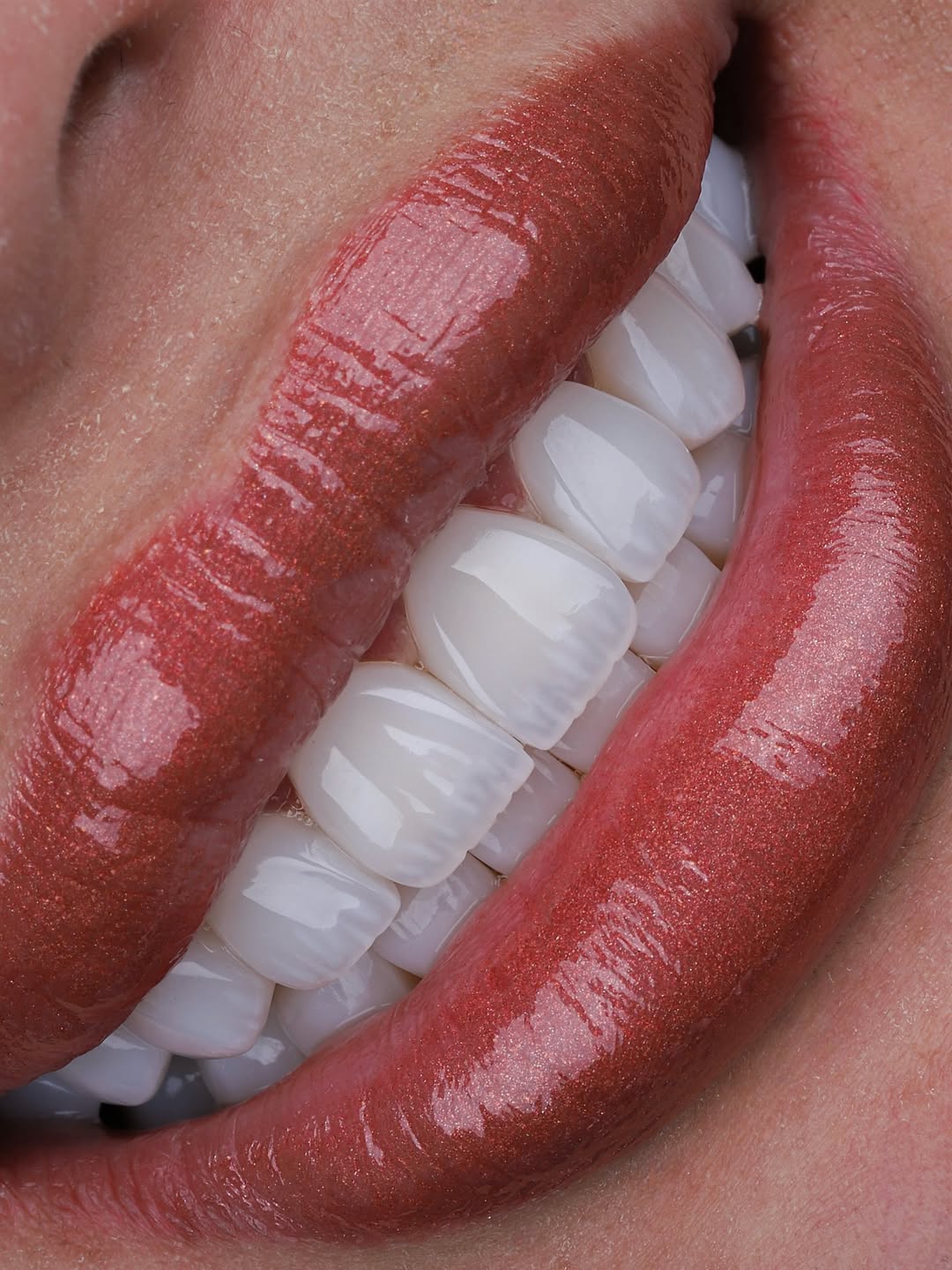
- Porcelain veneers or composite veneers address tooth color, proportion, shape, and surface texture.
These two treatments are entirely compatible and can be performed in the same overall treatment plan, usually with Botox administered first so the smile aesthetics can be assessed before veneer design decisions are finalized. This sequencing ensures the veneer proportions are designed to complement the corrected lip position.
Risks and Side Effects of Botox for Gummy Smile
Botox for gummy smile carries a very low risk profile when performed by an experienced injector, but patients should be aware of the following:
- Asymmetry: If injection doses or placement are not perfectly symmetrical, one side of the lip may remain slightly higher than the other. This is the most common complication and is temporary — it resolves as the Botox wears off.
- Lip drooping: Overdose or incorrect placement can cause the upper lip to appear too flat or slightly drooping when at rest. Rare, and temporary (resolves in weeks).
- Speech changes: Very rare. Some patients report subtle changes in pronunciation of labial consonants (sounds made with the lips). These are transient and resolve with muscle recovery.
- Smile stiffness: A slight reduction in the full range of smile expression. Most patients adapt quickly; the tradeoff with reduced gum display is usually considered worthwhile.
None of these risks are permanent. The reversible nature of Botox means that if a patient is unhappy with any aspect of the result, waiting 2–3 months is sufficient for full recovery.
What to Ask Your Provider Before Treatment
Botox for gummy smile is a specialized injection — it requires familiarity with perioral anatomy that is distinct from standard forehead or glabellar Botox. Before proceeding, ask your provider:
- How many gummy smile Botox cases have you performed? General experience with cosmetic Botox does not automatically translate to perioral injection competency.
- How many units do you use, and why? The answer should reflect a knowledge of dosing rationale — not a fixed number applied to every patient regardless of muscle bulk.
- What is your follow-up protocol? A responsible provider will schedule a 2-week review to assess symmetry and result and make corrections if needed.
- What happens if I am unhappy with the result? Know the timeline for resolution and whether a correction injection is offered.
Finding a Qualified Injector in Medellín
In Colombia, Botox for gummy smile can be legally performed by several types of practitioners, and quality varies significantly depending on training and experience:
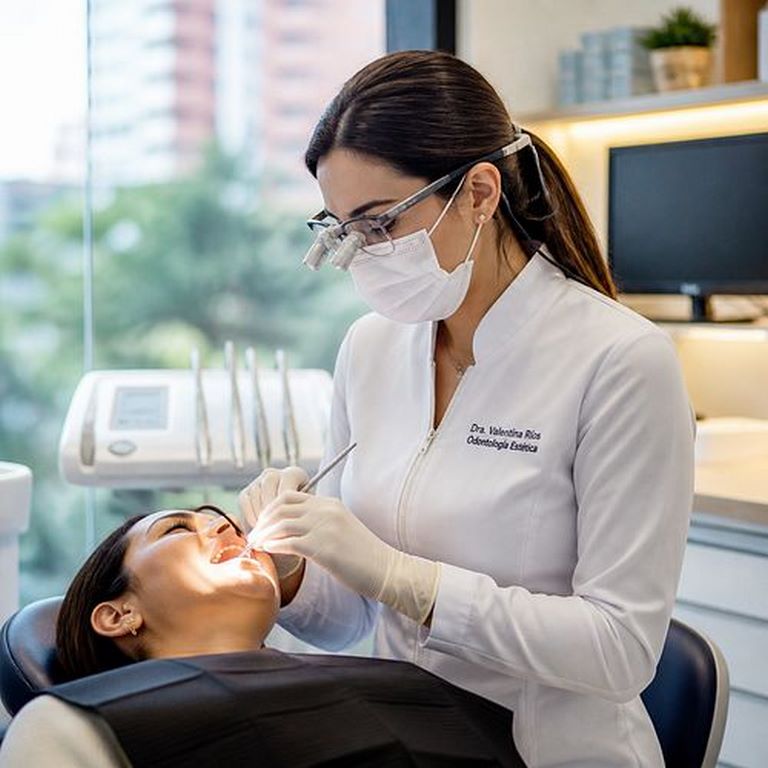
- Aesthetic dentists: Dentists with specific training in orofacial Botox are often the best-equipped providers for gummy smile specifically, given their deep anatomical knowledge of the perioral region. This is the profile of Doctor Yazmin’s clinical approach in Medellín.
- Plastic surgeons: Experienced plastic surgeons who specialize in facial aesthetics are well-qualified. Ensure their experience includes perioral injection specifically.
- Aesthetic medicine specialists (médicos estéticos): Varies widely. Look for certification from recognized Colombian aesthetic medicine programs (CEPAM, IAMA, or equivalent) and a specific portfolio of perioral cases.
Avoid generalist beauty centers or hair salons offering Botox at significantly below-market prices. The risk of asymmetry or incorrect placement is substantially higher without proper anatomical training.
If you are considering Botox for gummy smile in Medellín, Doctor Yazmin’s clinic offers a no-commitment consultation where the cause of your gummy smile is assessed and treatment options — surgical and non-surgical — are explained in full before any decision is made.