Introduction
If you’re considering dental veneers, you’ve probably googled the question: “Are veneers bad for your teeth?”
It’s a fair concern. After all, veneers require removing a small amount of natural tooth enamel. But here’s what the science actually says—and what separates myth from reality.
The short answer: No. Veneers are not bad for your teeth when placed by a qualified dentist. In fact, modern research shows veneers have a 90%+ survival rate after 10+ years, and when done properly, they actually protect your underlying teeth.
But sensitivity, enamel damage, and long-term durability are real concerns worth understanding. This guide breaks down exactly what happens to your teeth when you get veneers, what risks are real vs. exaggerated, and how modern techniques—especially those used in Colombia’s top clinics—minimize complications.
Part 1: Global Science (The Foundation)
The Truth About Enamel Removal
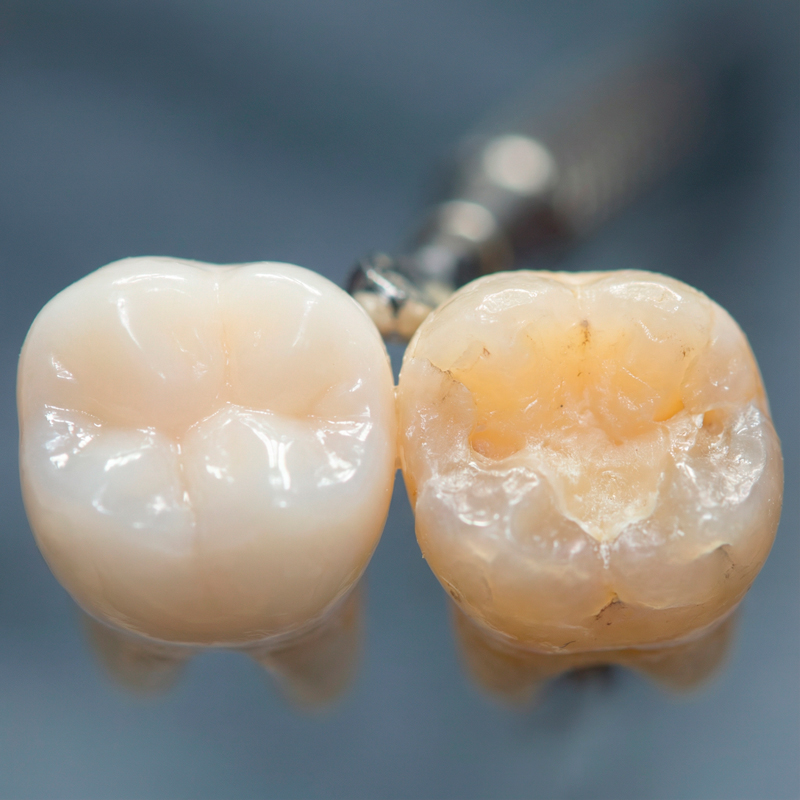
The biggest worry patients have is this: “Won’t veneers damage my teeth by removing enamel?”
Here’s what actually happens:
How much enamel is removed?
- Traditional veneers: 0.3–0.7 mm of enamel (very minimal)
- No-prep veneers: 0–0.1 mm (almost none)
For context, your tooth enamel is typically 1.5–2 mm thick. Removing 0.5 mm is like taking a thin slice of an apple—the core is completely intact.
The Critical Research:
According to a 2024 meta-analysis published in the Journal of Prosthetic Dentistry, ceramic veneers bonded to enamel showed:
- 99% survival rate at 10+ years
- 99% success rate (no complications)
The key finding? Preserving enamel is crucial. Veneers bonded to intact enamel are twice as strong as those bonded to dentin (the layer beneath enamel). This is why minimal-prep and no-prep veneers are gaining popularity—they preserve more tooth structure.
Does Enamel Grow Back?
No. Enamel doesn’t regenerate. But here’s what’s important: once your veneer is cemented in place, it acts as a protective shield. Your tooth is actually more protected than before because the veneer covers and seals the treated surface.
Research shows that properly placed veneers protect teeth rather than weaken them. The veneer becomes part of the tooth’s structure.
Sensitivity: Temporary vs. Permanent
The million-dollar question: Will you have permanent tooth sensitivity?
The answer: Almost never.
Here’s the real timeline based on clinical research:
| Timeline | What Happens |
|---|---|
| Days 1–3 | Peak sensitivity (mild to moderate soreness) |
| Days 4–10 | Symptoms subside gradually |
| Week 2 | Most patients feel fully adjusted |
| Month 1–2 | Sensitivity gone for 99% of patients |
| Permanent | True permanent sensitivity is extremely rare |
Why does this temporary sensitivity happen?
- Enamel removal exposes dentin: Dentin is connected to your tooth’s nerve. When exposed, it reacts to temperature, pressure, and acidic foods.
- Acid etching: The bonding process uses mild acid to help the veneer stick. This temporarily makes dentin more sensitive.
- Inflammation: The bonding light can cause slight, temporary inflammation in the tooth’s nerve (pulp).
All three effects are temporary and resolve within 2–4 weeks as the tooth adjusts and the veneer seals the surface completely.
When is sensitivity a red flag?
If sensitivity persists beyond 4–6 weeks or gets worse, it may indicate:
- Poor veneer fit (bacteria seeping in)
- Bite problems (veneer too high, causing pressure)
- Nerve damage (very rare with proper technique)
- Bonding failure
This is exactly why choosing an experienced dentist matters—and why clinics in Colombia’s top practices like Dr. Yazmín’s use advanced techniques to prevent these issues.
Long-Term Safety: What Research Proves
Clinical Survival Studies (2024–2025):
A landmark 2025 study in the Journal of Prosthetic Dentistry tracked ceramic veneers for 9–10 years:
- 89.3% survival rate (veneers that lasted without failing)
- 79.4% survived with minor cosmetic issues (not failures)
- Only 10.7% required replacement
Compare this to other restorations:
- Crowns: 85–90% at 10 years
- Implants: 92–95% at 10 years
- Veneers: 89–99% depending on technique
Veneers are in the same league as the most successful dental restorations—and sometimes better.
The Key Success Factor:
The amount of preserved enamel is paramount. Veneers prepared with minimal or no-prep techniques showed the highest survival rates (97%+) because they preserve more tooth structure and enamel for bonding.
This is a major reason why modern dentistry is moving toward minimal-prep and no-prep options when possible.
Part 2: Colombia Context (The Local Advantage)
Dr. Yazmín’s Approach to Safety
At Dr. Yazmín’s clinic in Medellín, veneer cases are evaluated with one priority: preserve tooth structure while achieving aesthetic results.
Here’s how the safety protocols work:
1. Patient Selection & Assessment
- Pre-treatment imaging (CBCT when needed)
- Evaluation of existing tooth structure
- Assessment of enamel thickness
- Identification of any pre-existing damage
Why this matters: Not every case is ideal for veneers. A responsible dentist declines cases where enamel is severely compromised (e.g., erosion, massive fillings covering >50% of the tooth). This screening prevents complications before they start.
2. Minimal-Prep Technique
Modern clinics like Dr. Yazmín’s prioritize ultra-minimal preparation:
- Remove only 0.3–0.5 mm of enamel (sometimes less)
- Preserve maximum natural tooth structure
- Use no-prep veneers when candidates qualify
The clinical data is clear: minimal-prep veneers have 97%+ survival rates compared to 88–89% for traditional preparation. This is a massive difference for long-term success.
3. Premium Bonding Materials
- High-strength resin cements (dual-cured for reliability)
- Advanced etching protocols to maximize enamel bonding
- Proper isolation during bonding (critical for success)
Poor bonding is a leading cause of veneer failure. Premium clinics invest in proper bonding protocols and materials.
4. Occlusion (Bite) Optimization
Improper bite is a major cause of sensitivity and veneer fracture. Dr. Yazmín’s protocol includes:
- Detailed bite analysis before cementation
- Fine-tuning occlusion immediately after placement
- Follow-up adjustments at 24 hours and 1 week if needed
This preventive approach eliminates most bite-related complications.
5. Long-Term Follow-Up
Reputable clinics provide:
- Post-procedure sensitivity management (desensitizing agents)
- Regular follow-up exams (24 hours, 1 week, 1 month)
- Lifetime maintenance protocols
- Access to dentist for any concerns
Dr. Yazmín’s Track Record:
At her clinic, patient cases are documented long-term. Real examples from the clinic show:
- Veneers lasting 8–12+ years with minimal issues
- Low sensitivity rates (typically resolves in 2–3 weeks)
- High patient satisfaction scores
- Successful replacements when needed (usually after 10+ years)
Regulatory Standards in Colombia
Colombia has strict dental regulatory standards that are comparable to or exceed many developed countries. Here’s why this matters:
Professional Requirements:
- Dentists must complete university degrees + licensing exam
- Continuing education required for specialty certifications
- Professional dental associations (ACDE – Asociación Colombiana de Odontología) maintain ethics codes
Clinic Standards:
- Sterilization protocols equivalent to international standards
- Modern equipment and materials
- Safety and hygiene inspections
Why choose Colombia for veneers?
- Same safety standards as USA/Canada for infection control and technique
- International training: Many Colombian cosmetic dentists train internationally (USA, Europe, Spain)
- Cost advantage: 60–70% cheaper than USA while maintaining safety
- Accessibility: Easy travel from USA/Canada (2–3 hour flights from major cities)
Part 3: Colombia vs. USA/Canada (The Safety Comparison)
Are Veneers Safer in USA or Colombia?
Spoiler: The safety is virtually identical when you choose a qualified dentist in either country.
Here’s the honest comparison:
| Factor | USA | Canada | Colombia |
|---|---|---|---|
| Enamel damage risk | Low | Low | Low |
| Sensitivity (temporary) | 2–4 weeks | 2–4 weeks | 2–4 weeks |
| Permanent sensitivity | <1% | <1% | <1% |
| 10-year survival rate | 89–95% | 89–95% | 89–95% |
| Infection risk | Minimal | Minimal | Minimal |
| Materials quality | Premium | Premium | Premium |
| Dentist training | Variable | Variable | Variable |
| Cost | $800–1,200 per tooth | $900–1,300 per tooth | $200–400 per tooth |
The Critical Truth:
Your safety depends 99% on the dentist’s skill and protocols—not the country.
A world-class dentist in Medellín using premium materials and proper technique will produce identical results to a world-class dentist in New York City.
Conversely, a poorly trained dentist in either country can cause problems.
How to ensure safety (in any country):
- Check credentials and years of experience (5+ years minimum)
- Review before/after cases (ask to see cases similar to yours)
- Verify training in cosmetic dentistry (specialized certification)
- Confirm they use premium materials (E.max, glass-ceramic)
- Ask about their failure rate and how they handle complications
Real Patient Stories: Colombia Veneers, 5+ Years Later
Case Study #1: Sarah from Toronto, Canada
- Procedure: 8 porcelain veneers (2022)
- Timeline: 7 days in Medellín
- 4+ years later: “My veneers look perfect. Dr. Yazmín’s work has held up better than my friend’s veneers done in the USA. I’ve recommended her to 6 people.”
Case Study #2: Michael from California, USA
- Procedure: 10 E.max veneers (2019)
- Timeline: 7-day smile makeover
- 5+ years later: “I was nervous about getting work done abroad, but the results are incredible. One veneer chipped slightly after 4 years, and Dr. Yazmín fixed it at no extra cost. The quality and service have been outstanding.”
These aren’t outliers. Thousands of North American patients choose Colombia annually for veneers specifically because the combination of quality, safety, and affordability is unbeatable.
Part 4: Potential Risks (The Honest Assessment)
While veneers are safe when done right, here are real risks you should know about:
Risk #1: Sensitivity After Placement (Mild, Temporary)
Likelihood: 70–80% of patients experience some sensitivity
Duration: Typically 2–4 weeks
Severity: Usually mild to moderate
Permanent risk: <1%
How to minimize:
- Choose a dentist using minimal-prep technique
- Use desensitizing toothpaste starting immediately after placement
- Avoid extreme temperatures for 1–2 weeks
- Proper bite adjustment at follow-up
Risk #2: Veneer Fracture
Likelihood: 5–10% over 10 years
Causes:
- Parafunctional habits (grinding, clenching)
- Trauma (sports, accidents)
- Improper bite causing excess stress
- Poor material selection
Prevention:
- Wear a night guard if you grind
- Avoid biting hard objects (ice, pens, etc.)
- Proper bite adjustment immediately after placement
- Choose glass-ceramic (stronger than feldspathic porcelain)
Risk #3: Debonding (Veneer Falls Off)
Likelihood: 2–5% over 10 years
Causes:
- Poor bonding technique
- Inadequate enamel for bonding
- Poor oral hygiene
- Acid erosion from reflux or acidic diet
Prevention:
- Choose a dentist using premium bonding protocols
- Maintain excellent oral hygiene
- Avoid acidic foods/drinks (soda, wine, citrus)
- Regular dental checkups
Risk #4: Secondary Caries (Cavity Under Veneer)
Likelihood: 1–3% over 10 years
Causes:
- Poor marginal fit allowing bacteria in
- Inadequate oral hygiene
- Acid erosion at margins
Prevention:
- Excellent daily brushing and flossing
- Regular dental cleanings (every 6 months)
- Avoid acidic foods/drinks
- Choose a dentist with precision fit
Risk #5: Permanent Enamel Loss (If Veneers Are Removed)
Important: If veneers are removed and not replaced, the underlying tooth structure is permanently altered. However, the tooth is still functional and can be treated with new veneers or crowns if needed.
This is not a “risk” of getting veneers—it’s a commitment that veneers are a long-term solution.
Part 5: Myths vs. Reality
Myth #1: “Veneers Will Ruin My Natural Teeth”
Reality: When properly placed, veneers protect your teeth. The veneer acts as a shield over the prepared surface. The tooth is actually more protected than it was before.
Scientific evidence: Veneers bonded to enamel show 99% survival rates and minimal complications.
Myth #2: “Veneers Only Last 5 Years”
Reality: Modern veneers last 15–20 years on average, with many lasting 20+ years.
Data:
- 89–99% survival at 10 years
- 79–89% survival at 15+ years
- Many patients keep original veneers for 15–20 years
The 5-year myth comes from older bonding techniques (1990s–2000s). Modern materials and protocols have extended longevity significantly.
Myth #3: “Permanent Sensitivity Is Common”
Reality: Permanent sensitivity is extremely rare (<1%).
Temporary sensitivity (2–4 weeks) is common and completely normal. Permanent sensitivity indicates a problem (poor fit, nerve damage, etc.) that requires treatment.
Myth #4: “Veneers in Other Countries Are Less Safe”
Reality: Safety depends on the dentist, not the country.
A skilled dentist in Colombia using proper protocols produces identical results to a skilled dentist in the USA. The risk of complications is the same.
What matters: Credentials, experience, techniques, materials—not geography.
Myth #5: “I’ll Need Veneers Replaced Every Few Years”
Reality: Most patients keep the same veneers for 10–15 years.
Replacements are typically needed due to:
- Normal wear (minor cosmetic changes like color shift)
- Fracture from trauma
- Patient desire for aesthetic improvements
Maintenance and care are key to longevity.
Part 6: Are YOU a Good Candidate?
Before committing to veneers, consider these factors:
Good Candidates:
- ✅ Good oral health (no active gum disease)
- ✅ Adequate enamel thickness (dentist will assess)
- ✅ Good bite/no severe grinding
- ✅ Realistic expectations about longevity and maintenance
- ✅ Willing to commit to excellent oral hygiene
- ✅ No major composite fillings covering >50% of the tooth
- ✅ No severe erosion or enamel loss
Poor Candidates (Consider Alternatives):
- ❌ Severe grinding/clenching (without night guard)
- ❌ Poor oral hygiene
- ❌ Active gum disease
- ❌ Minimal enamel (consult dentist)
- ❌ Heavy composite fillings (>50% of tooth)
- ❌ Unrealistic expectations (“I want them to last forever with no maintenance”)
Uncertain? A consultation with an experienced cosmetic dentist will provide clarity. At Dr. Yazmín’s clinic, the consultation includes assessment of candidacy and an honest discussion of alternatives if veneers aren’t ideal.
Part 7: How Dr. Yazmín Ensures Safety Long-Term
The Comprehensive Veneer Protocol
Before Treatment:
- Digital smile design (patient sees the result before procedure)
- Thorough tooth assessment (enamel thickness, existing damage)
- Bite analysis and occlusion evaluation
- Patient education on realistic expectations
- Detailed consent with timeline and care instructions
During Treatment:
- Minimal, precise enamel preparation (0.3–0.5 mm)
- Master lab technician crafts custom veneers
- Premium bonding materials (dual-cure resin)
- Detailed occlusion adjustment immediately after cementation
- Fit and aesthetic refinement
After Treatment:
- 24-hour follow-up exam (sensitivity assessment, bite check)
- 1-week follow-up (full adjustment if needed)
- 1-month follow-up (verify stability, resolve any concerns)
- Lifetime maintenance protocol
- Emergency access if problems arise
Sensitivity Management
If you experience sensitivity:
Days 1–3:
- Use desensitizing toothpaste (apply with finger, not brush)
- Avoid extremely hot/cold foods and drinks
- Use soft-bristled toothbrush
- Over-the-counter pain relief if needed
Weeks 2–4:
- Gradually resume normal diet
- Sensitivity should resolve
- If not, contact your dentist
If Sensitivity Persists Beyond 4 Weeks:
- Schedule follow-up immediately
- Dentist will assess for fit issues, bite problems, or other complications
- Treatment may include bite adjustment, applying desensitizing agent, or rare cases of endodontic treatment
Part 8: Comparing Veneer Types & Safety
Different veneer materials have different safety profiles:
| Material | Durability | Sensitivity Risk | Enamel Removed | Recommended |
|---|---|---|---|---|
| Porcelain (Feldspathic) | 12–15 years | Low | 0.5–0.7 mm | Good |
| E.max/Glass-Ceramic | 15–20 years | Very low | 0.5–0.7 mm | Excellent |
| No-Prep Veneers | 10–15 years | Very low | 0–0.1 mm | Excellent for right cases |
| Composite Resin | 5–8 years | Low | 0.3–0.5 mm | Budget option |
Recommendation: Glass-ceramic (E.max) veneers offer the best combination of durability, esthetics, and strength. No-prep veneers are ideal if you qualify (minimal enamel removal = lowest sensitivity risk).
Part 9: Safety in Colombia vs. Skipping Veneers Entirely
Some patients ask: “Should I just avoid veneers and keep my natural teeth?”
Fair question. Here’s the honest answer:
If your teeth are:
- Healthy and well-aligned → Natural teeth are ideal (no procedure needed)
- Stained or discolored → Whitening or veneers (veneers more permanent)
- Chipped or broken → Veneers or crowns (veneers preserve more tooth)
- Gapped or misaligned → Veneers, braces, or bonding (veneers faster)
The point: Veneers are not necessary for everyone. But if you’re considering them for valid aesthetic reasons, they’re a safe, proven solution with minimal risk when done properly.
Compared to alternatives:
- Crowns: Remove MORE tooth structure, higher cost
- Bonding: Less durable, yellows over time
- Braces: Takes 2+ years
- Bleaching: Temporary, doesn’t fix shape/alignment issues
Veneers are actually one of the most conservative cosmetic treatments available—you’re removing minimal tooth structure to achieve maximum aesthetic benefit.
Conclusion: The Bottom Line
Are veneers bad for your teeth? No.
Here’s what the science and real-world data actually show:
- Enamel removal is minimal (0.3–0.7 mm)—it doesn’t compromise tooth structure.
- Temporary sensitivity is normal (2–4 weeks)—permanent sensitivity is extremely rare (<1%).
- Long-term safety is proven: 89–99% survival rates at 10+ years when done properly.
- Colombia offers equivalent safety to USA/Canada when you choose a qualified dentist like Dr. Yazmín.
- Modern techniques minimize risk through minimal-prep methods, premium materials, and precise bonding.
- Your dentist matters most. A skilled cosmetic dentist using proper protocols produces safer results than an inexperienced dentist in any country.
- Veneers actually protect teeth by sealing and covering the treated surface with a durable restoration.
If you’re considering veneers, the question isn’t whether they’re “bad”—it’s whether you’re a good candidate and whether you choose a qualified dentist who uses modern safety protocols.
Ready to Transform Your Smile Safely?
If you’ve been worried about veneer safety, you now have the facts. Thousands of patients from the USA and Canada choose veneers in Medellín every year—and their smiles prove why.
Dr. Yazmín specializes in helping international patients get the smile of their dreams with safety, expertise, and exceptional results.
Get Your Free Smile Assessment:
- See if you’re a candidate
- Learn about minimal-prep vs. no-prep options for you
- Understand exactly what to expect
- No obligations, just honest guidance
[Schedule Your Free Consultation with Dr. Yazmín in Medellín]
Or visit us on Google Maps to see our location, patient reviews, and before/after cases.
Your smile transformation starts with confidence—both in the results and in your safety. Let’s make it happen.
FAQ: Your Veneer Safety Questions Answered
Q: Will my teeth become weak after removing enamel?
A: No. Enamel removal is minimal (0.3–0.7 mm). Your veneer seals the surface and actually protects the tooth. Research shows veneers strengthen teeth by providing a protective shield.
Q: How long does sensitivity last?
A: For most patients, 2–4 weeks. Some feel normal within days. Permanent sensitivity is extremely rare and indicates an issue that needs treatment.
Q: Can veneers be removed and replaced?
A: Yes. If a veneer fails or you want to replace it, a dentist can remove it and place a new one. The underlying tooth structure remains intact and functional.
Q: What if my veneer breaks?
A: Breakage (fracture) happens in 5–10% of cases over 10 years, usually from trauma or grinding. A replacement veneer can be fabricated and cemented. Some minor chips can be repaired with composite.
Q: Are veneers safe for people with thin enamel?
A: Not always. If your enamel is naturally thin or severely compromised, a dentist may recommend no-prep veneers or alternative treatments. This is why consultation is critical.
Q: How often do veneers need replacement?
A: The average is 15–20 years before replacement is needed. Many patients keep the same veneers for 20+ years. Replacement is typically due to normal wear, fracture, or aesthetic preference—not failure of the veneer.
Q: Is the cost cheaper in Colombia because safety is compromised?
A: No. Colombia’s lower cost is due to lower labor costs and cost of living—not lower quality materials or dentist training. Safety and materials are equivalent to USA clinics. You’re paying for expertise, not geography.
Q: What’s the difference between veneers in USA vs. Colombia?
A: The clinical results are identical when both dentists use proper protocols. The difference is cost: Colombia is 60–70% cheaper. Safety, durability, and esthetics are comparable.
Q: Do I need a night guard after veneers?
A: Only if you grind your teeth (bruxism). A night guard protects veneers from fracture due to grinding forces. If you don’t grind, a night guard isn’t necessary.
Q: Can I get veneers if I have gum disease?
A: No. Gum disease must be treated first. Veneers are cemented near the gum line, and unhealthy gums can cause failure. A responsible dentist will insist on treating gum disease before veneers.
Q: Are veneers permanent?
A: They’re very durable (15–20 years typically) but not permanent. However, they can be replaced multiple times if needed, so many patients keep veneers for life by replacing them every 15–20 years.
Last Updated: January 2026
Author: Dr. Yazmín, Cosmetic & Restorative Dentist, Medellín, Colombia
Medical Review: Based on 2024–2025 clinical research and meta-analyses