Why Colombia Has Become a World-Class Destination for Veneers
Colombia is no longer just a budget alternative for dental work — it has become one of Latin America’s most respected destinations for cosmetic dentistry, drawing thousands of patients annually from the United States, Canada, Europe, and beyond. Clinics in Bogotá, Medellín, Cali, and Cartagena now operate under JCI accreditation, ISO 9001 certification, and Colombia’s own government-issued IPS (Instituciones Prestadoras de Salud) certification.
The same veneers cost up to 70% less in Colombia.
See if you qualify Free video call in English · on WhatsAppIndividual patient experience. Results and pricing are confirmed after a clinical evaluation.
Dentists in Colombia’s leading cities hold specializations from international institutions, including programs recognized by the American Dental Association (ADA) and the International Congress of Oral Implantologists (ICOI). They routinely perform the same procedures — using the same FDA-approved materials — that patients would receive in New York or Miami, but at a fraction of the cost.
The savings are substantial. A full smile makeover with 20 porcelain veneers costs $8,000–$10,000 in Colombia compared to $30,000–$50,000 in the United States — a potential saving of $20,000–$40,000 on a single treatment. That number alone explains why Colombia’s dental tourism market continues to grow.
But before booking a flight to Medellín, the most important decision is one most patients overlook: which type of veneer is right for you? The difference between porcelain and composite is not just price — it affects the aesthetic result, longevity, required maintenance, and what happens to your teeth if something goes wrong. This guide gives you the complete picture.
Understanding the Two Main Veneer Options
What Are Porcelain Veneers?
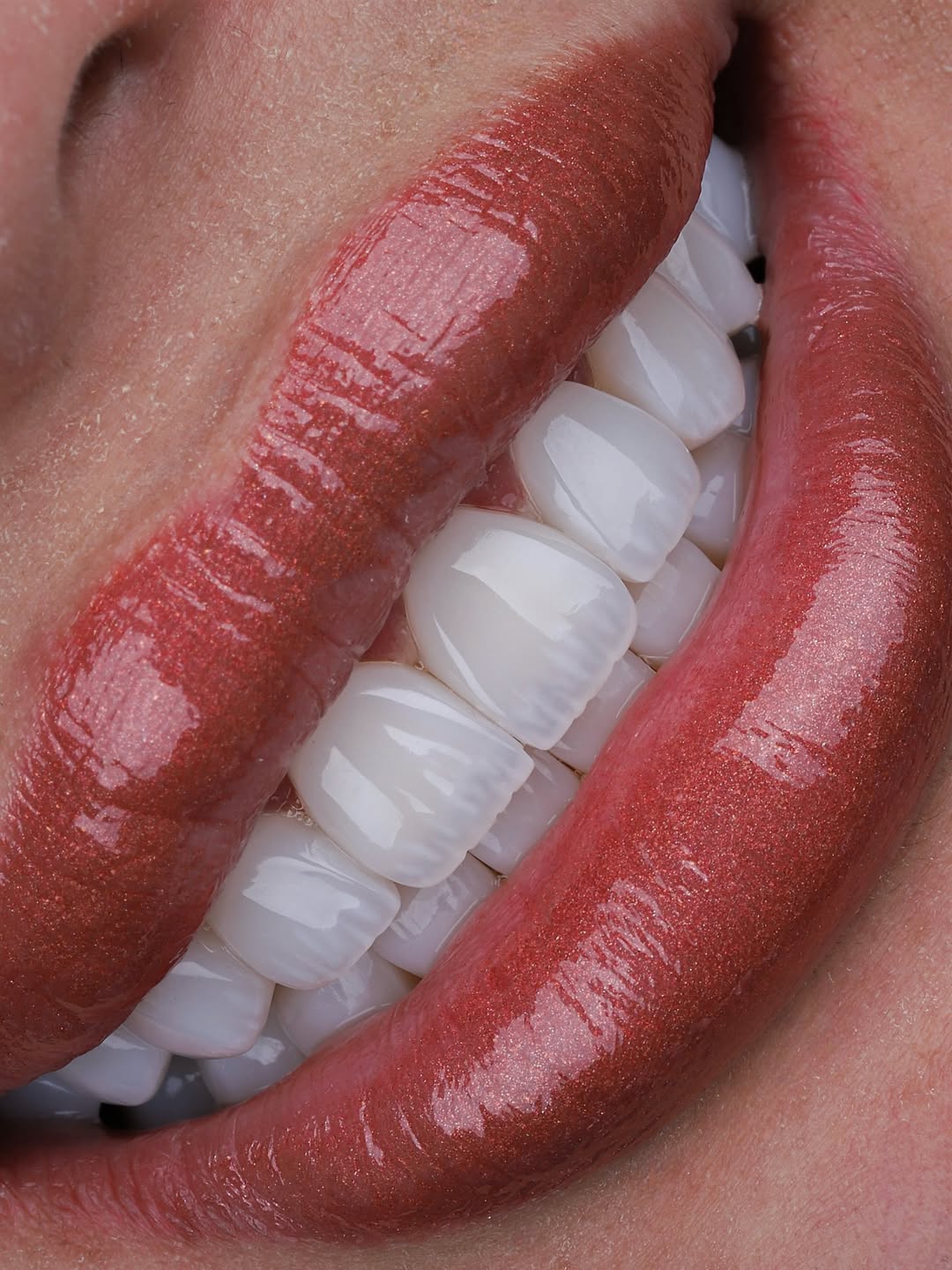
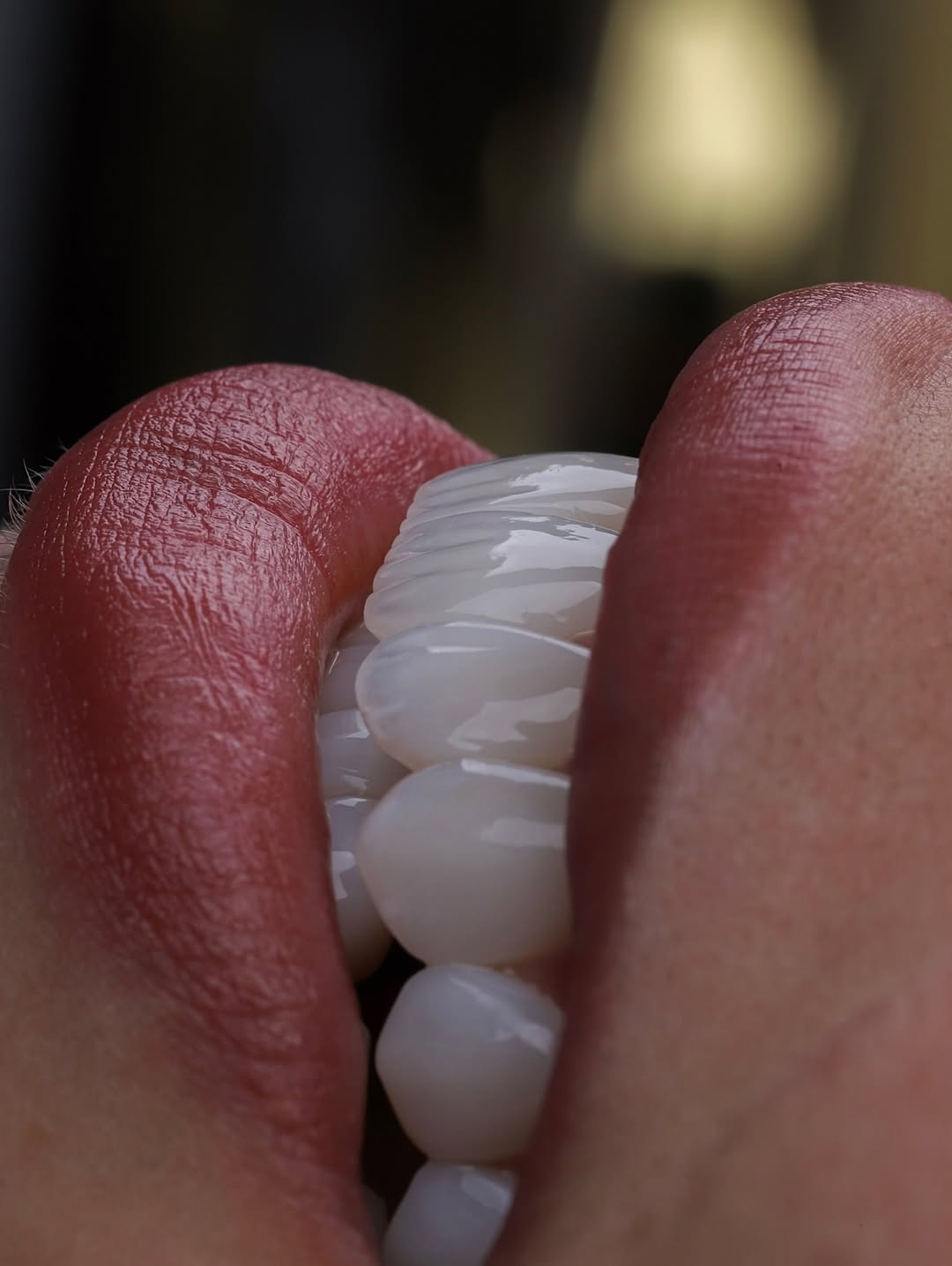
Porcelain veneers are custom-made, ultra-thin shells of high-quality dental ceramic, fabricated in a professional dental laboratory. Once crafted to precise specifications — color, shape, translucency, texture — they are permanently bonded to the front surface of the tooth.
Before you even book a flight, you can have a virtual consultation to discuss your goals for veneers in Colombia.
The same veneers in Colombia cost up to 70% less.
In the US, 20 porcelain veneers run $30,000–$50,000. With Dr. Yazmin in Medellin, it's $7,000, all-inclusive.
Individual patient experience. Prices, inclusions and results are confirmed after a clinical evaluation. A full evaluation is required before any treatment.
The most common type of porcelain veneer in Colombia’s leading clinics is the IPS e.max® (Emax) system — a lithium disilicate glass-ceramic with exceptional strength and unmatched translucency. Emax is widely regarded as the gold standard for front-tooth cosmetic restorations because it replicates the way natural enamel transmits light more accurately than any other material available today.
The porcelain veneer process requires a minimum of 2–3 clinic visits spanning 4–6 days: one appointment for examination and tooth preparation, a waiting period while the lab fabricates the custom veneers (typically 3–5 days in Colombia), and a final appointment for permanent bonding.
What Are Composite Veneers?
Composite veneers are made from tooth-colored resin — the same plastic-based material used for white dental fillings — applied and sculpted directly onto the tooth surface by the dentist in a single appointment. Because no laboratory work is involved, composite veneers are typically completed chairside in 1–2 days, making them popular for short dental travel windows.
The resin is layered, shaped, and polished to create the desired aesthetic. A skilled cosmetic dentist can achieve excellent results with composite — particularly for mild corrections. However, the material has fundamental physical limitations compared to ceramic that no amount of technical skill can fully overcome.
Porcelain vs. Composite Veneers: Full Side-by-Side Comparison
Cost of Veneers in Colombia: A Detailed Breakdown
Porcelain Veneer Prices in Colombia (USD, 2025–2026)
Colombia’s porcelain veneer pricing varies by city, clinic tier, and material (Emax vs. standard feldspathic porcelain):
| Number of Porcelain Veneers | Price Range in Colombia |
|---|---|
| 1 veneer | $200 – $500 per tooth |
| 10 veneers | $4,600 – $5,000 |
| 16 veneers | $7,400 – $8,000 |
| 20 veneers (full smile) | $8,000 – $10,000 |
Premium Emax veneers at top clinics in Medellín or Bogotá often range from $300–$500 per tooth — still 60–75% below equivalent U.S. prices.
Composite Veneer Prices in Colombia (USD, 2025–2026)
| Number of Composite Veneers | Price Range in Colombia |
|---|---|
| 1 veneer | $50 – $250 per tooth |
| 10 veneers | $500 – $2,500 |
| 20 veneers (full smile) | $4,000 – $4,999 |
Budget-tier clinics may price composite as low as $50–$100 per tooth, while premium clinics using advanced sculpting techniques and higher-grade resin may charge $200–$250.
The True Cost-Per-Year Calculation
A comparison at face value makes composite look dramatically cheaper. But the cost-per-year analysis tells a different story:
Example: 20-veneer full smile makeover
| Composite | Porcelain | |
|---|---|---|
| Initial cost (Colombia) | ~$4,500 | ~$8,000 |
| Expected lifespan | 7 years | 15–20 years |
| Annual cost | ~$643/year | ~$400–$533/year |
| Replacement at end of life | ~$4,500–$5,000 | ~$8,000–$10,000 |
Over a 20-year horizon, a composite patient replaces their veneers roughly 3 times (total ~$13,500) versus a porcelain patient who replaces theirs once (~$8,000–$10,000). Porcelain becomes the more economical choice over the long term for patients who plan to maintain veneers permanently.
Detailed Pros and Cons: Porcelain Veneers in Colombia
Advantages of Porcelain Veneers
1. The Most Natural-Looking Aesthetic Available
Porcelain ceramic — especially Emax — transmits light in a way that closely mimics natural tooth enamel. The result is a three-dimensional depth, warmth, and translucency that composite resin simply cannot replicate at the same level. If you want a smile that looks completely natural and indistinguishable from real teeth, porcelain is the superior choice.
2. Exceptional Longevity
Well-placed porcelain veneers last 10–20 years with proper care — and some studies report longevity beyond 20 years in ideal clinical conditions. For patients under 40, a quality porcelain set placed in Colombia could last until their 60s without replacement.
3. Superior Stain Resistance
The ceramic surface of porcelain is non-porous, meaning it does not absorb staining agents from coffee, tea, red wine, or tobacco. Porcelain maintains its original shade for the full duration of its lifespan, requiring no special stain-removal treatments.
4. Minimal Maintenance
Porcelain veneers require no special maintenance beyond standard oral hygiene (brushing, flossing) and routine professional cleanings every 6 months. No annual polishing treatments, no touch-ups, no shade adjustments.
5. Highly Customized Result
Because each veneer is fabricated by a skilled ceramist in a lab, the shape, shade, surface texture, and translucency level are precisely controlled. Colombian dental labs partnering with top clinics use CAD-CAM technology and experienced technicians who produce lab-quality restorations comparable to those in the U.S. or Europe.
6. Best for Severe Discoloration
Porcelain can be made more opaque when necessary, making it highly effective for covering intrinsic stains, tetracycline discoloration, or dark underlying tooth structure that composite resin cannot adequately mask.
Disadvantages of Porcelain Veneers
1. Higher Upfront Cost
Even at Colombia’s discounted prices, porcelain represents a meaningful investment of $4,300–$10,000 for a full set — significantly more than composite upfront.
2. Irreversible Procedure
The enamel preparation required for porcelain placement — typically 0.3–0.5 mm — is permanent. Once your teeth are prepared, they will always need to be covered with veneers or another restoration. This is a serious, lifelong commitment.
3. Requires Multiple Visits
Porcelain placement requires a minimum of 2–3 clinic visits over 4–6 days in Colombia. Patients traveling from the U.S. must plan accordingly — this is not a weekend procedure.
4. Cannot Be Repaired if Damaged
If a porcelain veneer fractures, it cannot be patched or repaired chairside. The entire veneer must be remade and rebonded. While the material is durable under normal use, patients with bruxism (teeth grinding) face elevated replacement risk without a night guard.
Detailed Pros and Cons: Composite Veneers in Colombia
Advantages of Composite Veneers
1. Dramatically Lower Upfront Cost
Composite veneers are the most affordable way to transform a smile in Colombia, with full sets starting from $4,000–$4,500. For patients on a strict budget, they deliver real aesthetic improvement at a fraction of the porcelain price.
2. Completed in 1–2 Days
Because the resin is sculpted directly onto the teeth chairside, composite veneers can often be completed in a single extended appointment. This makes them ideal for patients who can only visit Colombia for a weekend or a few days — or for patients who need a fast result before an event.
3. Minimally Invasive
Composite veneers require minimal to no enamel removal in most cases. This means the procedure may be partially reversible — a critical advantage for patients who are unsure about committing permanently to veneers or who want to test the aesthetic result before choosing porcelain.
4. Easily Repairable
If a composite veneer chips or discolors locally, a dentist can typically repair or re-polish it chairside in a single short appointment. The repairability of composite is a significant practical advantage — especially useful for patients who travel internationally for their veneers and need local dentists to handle minor issues at home.
5. Suitable for Exploratory or Trial Cases
Many cosmetic dentists recommend composite veneers as a “trial run” for patients who want to experience a transformed smile before committing to the irreversible preparation required for porcelain.
Disadvantages of Composite Veneers
1. Shorter Lifespan
Composite veneers typically last 5–10 years with proper care — significantly less than porcelain. Over a lifetime, patients will replace composite veneers multiple times, often making porcelain the more economical long-term choice.
2. Prone to Staining
Composite resin is a porous material that absorbs pigments from food, beverages, and tobacco over time. Coffee, red wine, tea, and smoking accelerate staining significantly. Regular professional polishing every 6–12 months is required to maintain the original shade.
3. Less Natural-Looking
While composite can look excellent in skilled hands, it cannot fully replicate the three-dimensional translucency of porcelain ceramic. Under direct light and photography — particularly in close-up photos — the difference between porcelain and high-quality composite is visible to a trained eye.
4. Weaker Material
Composite resin is approximately 5% less strong than porcelain, making it more susceptible to chipping under bite forces, particularly on edge-to-edge contact or hard food impact.
5. Requires More Maintenance
Annual polishing, touch-up appointments, and dietary restrictions (reduced coffee, wine, and tobacco) are necessary to preserve the appearance of composite veneers over their lifespan. This ongoing maintenance has a time cost and, cumulatively, a financial cost.
Porcelain vs. Composite: Which Is Right for You?
The answer depends on your timeline, budget, lifestyle, and long-term goals. Here is a practical decision framework:
Choose Porcelain Veneers in Colombia If:
- You want the most natural-looking and long-lasting result available
- You are planning a dedicated dental trip of 5–7 days and can accommodate lab time
- You drink coffee, tea, wine regularly, or smoke — and want stain-resistant results
- You want minimal maintenance after treatment
- You are committing to permanent veneer treatment for the long term
- You want to cover severe intrinsic stains, dark underlying teeth, or significant structural corrections
- You are evaluating long-term cost-effectiveness (porcelain wins over 15–20 years)
Choose Composite Veneers in Colombia If:
- Your time in Colombia is limited (1–2 days maximum)
- You are on a strict budget and need to maximize results per dollar spent upfront
- You want a reversible or trial option before committing to porcelain
- Your cosmetic concerns are minor to moderate — slight discoloration, small gaps, minor chipping
- You have a specific short-term event (wedding, graduation, photo shoot) and need fast results
- You are under 25 and want to trial the look before making a permanent decision
- You understand and accept the need for polishing and eventual replacement sooner than porcelain
The Professional Consensus in Colombia
The recommendation from Colombia’s most respected dental tourism clinics is consistent: if you are traveling internationally specifically for veneers, porcelain is the better investment. The economics of international travel — flights, accommodation, time off work, repeat trips — make the incremental cost difference between composite and porcelain ($3,500–$5,000 for a full set) worth paying once rather than repeating the full process again in 5–7 years.
Colombia’s Top Cities for Veneers: What You Need to Know
Medellín
Colombia’s second city has become the country’s most prominent dental tourism hub, with a concentration of internationally accredited clinics, English-speaking staff, and packages designed specifically for foreign patients. Medellín also offers the most developed infrastructure for international medical tourists — from pre-travel virtual consultations to airport pickup and hotel coordination.
Price range: Porcelain veneers $300–$500/tooth; composite $100–$200/tooth
Bogotá
The capital is home to several JCI-accredited hospital dental departments and Colombia’s largest concentration of specialist-level cosmetic dentists. Bogotá clinics tend toward the higher end of Colombian pricing but consistently deliver the highest technical standards.
Price range: Porcelain veneers $400–$600/tooth; composite $200–$300/tooth
Cali
Cali is increasingly popular for international dental patients due to competitive pricing and a strong cluster of cosmetic dentistry specialists. Several prominent smile design practices with significant online followings are based in Cali, offering full packages for international patients.
Price range: Porcelain veneers $200–$450/tooth; full smile from $3,500
Cartagena
Popular as a destination that combines dental work with a Caribbean vacation. Pricing is competitive and the quality at top clinics is high — though the clinic concentration is smaller than Bogotá or Medellín.
How to Choose the Right Clinic in Colombia: Non-Negotiable Criteria
The quality gap between Colombia’s top-tier and lower-tier dental clinics is significant. Choosing incorrectly can mean poor-fitting veneers, incorrect shading, or structural failures that require expensive repair back home. Use this checklist rigorously before committing:
Credentials and Certifications
- Verify the clinic holds IPS certification (Colombia’s government quality benchmark)
- Confirm ISO 9001 or JCI accreditation for internationally treating facilities
- Verify the treating dentist holds a documented cosmetic dentistry specialization — not just a general dentistry degree
- Check registration with RETHUS (Colombia’s national health professional registry), which allows you to confirm the dentist’s credentials online
Technology and Materials
- Confirm the clinic uses FDA-approved or internationally certified veneer materials — specifically IPS e.max® from Ivoclar Vivadent for Emax porcelain
- Ask whether the clinic has in-house digital smile design (DSD) software and 3D scanning capability
- Request information about the dental lab — top clinics use their own in-house labs or partner with certified Colombian labs that serve U.S. and European markets
Transparency and Communication
- Insist on a virtual consultation before travel where the specialist (not a sales coordinator) reviews your case, explains your options, and provides a written treatment plan with full pricing
- Reject any clinic that: quotes a price without reviewing clinical records; refuses to name the dentist or their specialization; will not identify the veneer brand or lab; or communicates exclusively through salespeople
- Confirm the clinic has a clear protocol for follow-up issues — including a named contact for patients who return to their home country
Patient Evidence
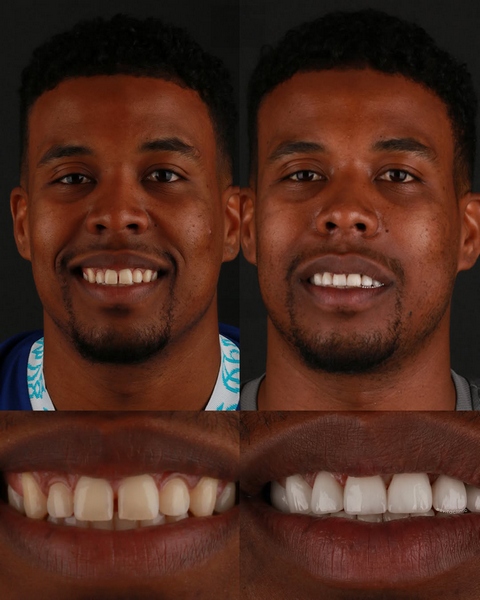
- Review before-and-after portfolios of real cases — verify the photos are of actual patients, not stock or AI imagery
- Read reviews from international patients specifically — search by clinic name on Google, Bookimed, TripAdvisor, and dental tourism forums
- Ask for patient testimonials or references from previous international patients willing to share their experience
Preparing for Your Dental Trip to Colombia: What to Do Before You Fly
2–4 Weeks Before Your Trip
- Schedule a virtual consultation with your chosen Colombian clinic; share recent dental X-rays or photos
- Have a full dental exam with your local dentist at home — confirm there is no active decay, gum disease, or other issues that need treatment before veneer placement
- If you plan to whiten your natural teeth at any point, do it before your Colombia trip — not after. Whitening treatments cannot change the shade of ceramic veneers, and doing it afterward will create a mismatch
- Confirm your written treatment plan, timeline, and pricing in writing before booking flights
During Your Trip
- Bring a complete dental record including recent X-rays if available
- Attend the digital smile design session before any tooth preparation begins — this is your opportunity to approve shape, size, and shade before the process becomes irreversible
- Always evaluate shade samples in natural daylight, not just under clinic lighting (see our [guide to veneer color selection])
- Before permanent bonding, ensure you are satisfied with the temporary veneers worn during the lab fabrication period — speak up if the shape or shade does not feel right
After Your Return Home
- Register with a local dentist at home for routine follow-up and cleaning
- Use non-abrasive toothpaste (gel formulas) and a soft-bristle toothbrush
- If you grind your teeth, get a custom night guard from your local dentist — grinding is the leading cause of premature veneer failure
- Composite veneer patients: schedule polishing appointments every 6–12 months at your local dentist
Veneer Aftercare in Colombia: The Full Guide
Proper aftercare extends the life of your veneers regardless of material type.
Daily habits:
- Brush twice daily with non-abrasive gel toothpaste — avoid formulas with baking soda, hydrogen peroxide, or whitening agents that can dull veneer surfaces
- Floss once daily, paying attention to the gum line where veneer margins sit
- Use an alcohol-free mouthwash (alcohol can weaken bonding cement over time)
Foods and habits to moderate:
- Avoid biting directly into hard foods (apples, hard bread crusts, ice, pen caps) with veneered teeth
- Reduce staining beverages — coffee, tea, red wine — or rinse your mouth with water afterward
- Smoking and tobacco heavily stain composite veneers; porcelain is more resistant but still benefits from reduced tobacco exposure
Clinical maintenance schedule:
- Professional cleaning every 6 months at your local dentist
- Composite veneer patients: professional polishing every 6–12 months
- X-rays every 12–24 months to verify bonding integrity and underlying tooth health
- If a veneer loosens or chips, contact your dentist immediately — do not attempt to re-bond or repair at home
Frequently Asked Questions: Veneers in Colombia
Are veneers in Colombia safe?
Yes — provided you choose a clinic with verified IPS, ISO 9001, or JCI accreditation and a dentist with documented cosmetic dentistry specialization. Colombia’s top dental facilities use the same materials and techniques as U.S. and European clinics. The key variable is clinic selection, not the country.
How long do I need to stay in Colombia for veneers?
For composite veneers: 2–3 days is typically sufficient. For porcelain veneers: plan for a minimum of 5–7 days to allow time for tooth preparation, lab fabrication, and final bonding. Some clinics offer 7–10 day packages that include additional treatments, accommodation coordination, and airport transfers.
Can I combine veneers with tourism?
Absolutely. Medellín, Cartagena, and Bogotá all offer rich tourism experiences. The lab fabrication period for porcelain veneers (3–5 days) provides natural downtime that many patients use for sightseeing, and several clinics have partnerships with local hotels.
What happens if something goes wrong after I return home?
This is the most important practical consideration in dental tourism. Before selecting a clinic, confirm:
- The clinic’s written protocol for post-treatment complications for international patients
- Whether the clinic will coordinate with your local dentist in your home country for follow-up
- A clear warranty policy — reputable Colombian clinics typically offer 1–5 year warranties on their work
Is composite or porcelain better if I smoke?
Porcelain is significantly better for smokers. Nicotine and tar accumulate on porous composite resin, causing rapid and noticeable staining that no polishing can fully reverse. The non-porous ceramic surface of porcelain resists tobacco staining far more effectively.
Can I get financing for veneers in Colombia?
Many Colombian clinics serving international patients offer payment plan options, and some partner with U.S.-based medical financing providers. Ask your chosen clinic directly about installment payment options before committing.
Will veneers done in Colombia be recognized by dentists in the USA?
Yes. Veneers are internationally standardized restorations. Any licensed dentist in the U.S. can evaluate, clean, and repair veneers placed in Colombia. Porcelain veneers made from IPS e.max® — the most common material in Colombian premium clinics — are the same material used in top U.S. practices.
The Verdict: Porcelain or Composite for Your Colombia Trip?
For the majority of international patients making the effort and investment to travel to Colombia specifically for their smile, porcelain veneers deliver the better value, the better outcome, and the better long-term economics. The savings versus the U.S. ($20,000–$40,000 on a full set) more than justify the higher Colombian cost of porcelain over composite.
Composite veneers remain an excellent choice for patients with limited travel time, tight upfront budgets, mild cosmetic concerns, or those who want a reversible trial before committing to porcelain permanently.
The best decision is always the one made with full information — this guide, a thorough virtual consultation with your chosen Colombian specialist, and a written treatment plan in hand before your flight departs.
This article is for informational purposes only and does not constitute professional dental or medical advice. Consult a licensed cosmetic dentist for a personalized treatment plan.
Sources Consulted
Below is the source list in English, with descriptive anchor text and live links.
- Best type of veneer to get in Colombia: materials, costs and extra factors https://www.dentaltourismcolombia.com/care-blog/best-type-of-veneers-to-get-in-colombia-consider-other-costs-beyond-price
- Price of veneers in Colombia vs US: 2025 cost comparison https://www.dentaltourismcolombia.com/care-blog/price-of-veneers-in-colombia-vs-us
- How to care for veneers you got in Colombia https://www.dentaltourismcolombia.com/veneer-care-instructions
- Veneers in Colombia: price and quality guide (porcelain vs composite) https://www.grdents.com/veneers/colombia-price-guide
- Veneers in Colombia: cost and FAQs for international patients https://www.grdents.com/veneers/colombia-cost-faqs
- How much do veneers cost in Colombia? Complete 2025 guide https://www.drasararestrepos.com/how-much-do-veneers-cost-in-colombia-complete-2025-guide/
- How much is a full set of veneers in Colombia? https://mymeditour.com/full-set-of-veneers-in-colombia/
- Smile design porcelain veneers package in Cali, Colombia https://smiledesignincolombia.com/products/smile-design-porcelain-veneers
- Veneers in Colombia: best clinics and average costs https://us-uk.bookimed.com/clinics/country=colombia/procedure=installation-of-a-veneer/
- Affordable veneers in Colombia: 2026 prices and clinics https://www.flymedi.com/colombia/dentistry/veneers
- Veneers Colombia: porcelain vs composite, prices and packages https://veneerscolombia.com/
- Dentist in Colombia: cost of veneers, implants and dental work https://www.dentaly.org/us/dental-tourism-usa/dentist-colombia/
- Dental tourism in Colombia: benefits, costs and what to expect https://dentalwanderlust.com/dental-tourism-colombia/
- Dental tourism in Colombia: complete 2026 guide https://smilejet.app/blog/dental-tourism-colombia-complete-guide-2026
- Dental work in Colombia: how to save up to 70% on treatment https://www.dentavacation.com/dental-work-in-colombia/
- Experience dental tourism in Bogotá, Colombia https://www.placidway.com/experience/231/Experience-Dental-Tourism-in-Bogota-Colombia
- Best dentists in Colombia: cost, credentials and vetting https://www.medicaltourismpackages.com/best-dentists-in-colombia/
- Is dental tourism in Colombia safe? Honest guide for US patients https://dracarolinamacareno.com/en/blog/turismo-dental-en-colombia-seguro
- Ultimate checklist for picking the best place to get veneers https://www.dentaltourismcolombia.com/care-blog/your-ultimate-checklist-for-picking-the-best-place-to-get-veneers
- Porcelain veneers vs composite veneers: pros and cons https://www.dentalhealthsociety.com/implants/porcelain-veneers-vs-composite-veneers-pros-and-cons/
- Composite veneers vs porcelain veneers: key differences https://www.eshomdds.com/composite-veneers-vs-porcelain-veneers/
- Porcelain veneers vs composite veneers: which is best for you? https://www.hollistondentist.com/articles/porcelain-veneers-vs-composite-veneers-which-is-best-for-you
- Porcelain vs composite veneers: pros and cons overview https://www.stuartpro.com/porcelain-vs-composite-veneers-pros-and-cons-for-stuart-fl-patients/
- Porcelain vs composite veneers: a comparative guide https://www.tend.com/site/blog/2025/07/16/porcelain-vs-composite-veneers-a-comparative-guide