Key Takeaways
- Dental veneers are thin shells bonded to teeth to improve appearance, addressing discoloration, chips, gaps, and shape issues
- Two main types exist: porcelain veneers (10-15 year lifespan, $925-$2,500 per tooth) and composite veneers (5-7 year lifespan, $250-$1,500 per tooth)
- The procedure typically takes 2-3 weeks across two dental visits with minimal recovery time
- Veneers are a minimally invasive cosmetic solution that falls between simple fillings and full dental crowns
- Proper maintenance and regular dental check-ups ensure longevity and aesthetic success
What Are Dental Veneers? Definition and Overview
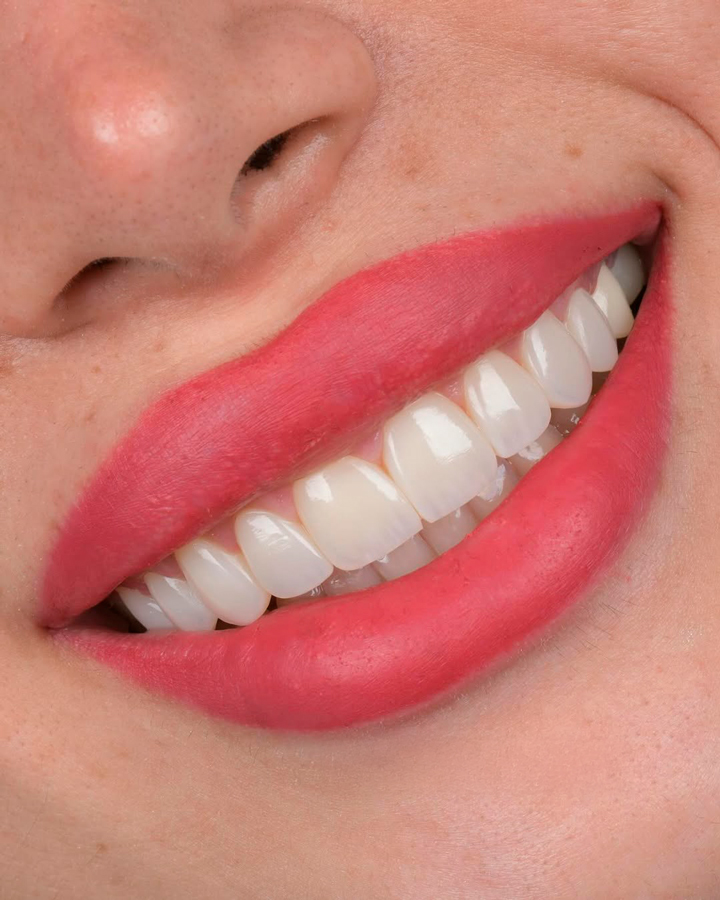
Dental veneers are thin, custom-made shells—typically 0.5-1mm thick—that are bonded to the front surface of your natural teeth to improve their appearance. Think of them as a cosmetic covering that masks tooth imperfections while preserving the underlying tooth structure. The shells are crafted from biocompatible materials that mimic the natural translucency and color of healthy tooth enamel, creating a seamless blend with your existing smile.
Veneers have revolutionized cosmetic dentistry by offering a less invasive alternative to dental crowns. They address a wide range of aesthetic concerns without requiring extensive tooth preparation. Whether you’re dealing with stubborn stains that won’t respond to whitening, small chips or cracks, awkward gaps between teeth, or slightly misaligned teeth, veneers provide a durable solution that transforms your smile while maintaining a natural appearance.
The appeal of dental veneers lies in their ability to deliver dramatic aesthetic results with minimal modification to your natural teeth. Patients often describe the experience as a “smile makeover” that boosts confidence and improves social and professional interactions.
Why Consider Dental Veneers? Common Reasons and Benefits
Understanding why patients choose veneers helps clarify whether this treatment aligns with your cosmetic goals.
Cosmetic Concerns Veneers Address
Discolored or stained teeth: Some tooth discoloration stems from deep stains inside the tooth (intrinsic stains) that bleaching cannot resolve. Veneers mask these permanently stained teeth, providing uniform, bright color.
Chipped, cracked, or worn teeth: Teeth damaged from trauma, grinding, or age can be restored to their original shape and appearance using veneers.
Gaps between teeth (diastema): Small spaces between teeth can be closed with veneers, creating a more unified smile without orthodontic treatment.
Slightly misaligned or irregular teeth: While veneers don’t correct severe misalignment, they can mask minor orthodontic imperfections and make teeth appear straighter.
Uneven or oddly shaped teeth: Teeth with unusual proportions or shapes can be reshaped cosmetically to match ideal dental aesthetics.
Key Benefits of Veneers
- Natural appearance: High-quality porcelain veneers replicate tooth enamel’s translucency and light-reflecting properties
- Minimal tooth preparation: Less enamel removal compared to crowns, preserving more natural tooth structure
- Quick aesthetic transformation: Results visible in 2-3 weeks rather than months of orthodontic treatment
- Durability: Porcelain veneers last 10-15 years with proper care; composite veneers last 5-7 years
- Stain resistance: Porcelain is highly resistant to discoloration from coffee, wine, and tobacco
- Customization: Veneers are custom-made to match your unique tooth shape, size, and desired shade
- Confidence boost: Many patients report improved self-esteem and social confidence after veneer placement
Types of Dental Veneers: A Comprehensive Comparison
Not all veneers are created equal. Understanding the differences between materials and application methods helps you make an informed decision with your dentist.
Porcelain Veneers (Ceramic Veneers)
Porcelain veneers represent the gold standard in cosmetic dentistry. These custom-fabricated shells are milled from dental-grade porcelain in a laboratory, ensuring precision and superior aesthetics.
Material composition: High-quality ceramic that mimics natural tooth enamel, offering translucency and light reflection similar to real teeth.
Preparation process:
- Minimal enamel removal (0.5-0.75mm)
- Tooth impressions sent to dental laboratory
- Temporary veneers placed for 1-2 weeks
- Final veneer bonding with special dental cement
Advantages:
- Most natural-looking results
- Highly resistant to staining and chipping
- Longevity: 10-15 years with proper care
- Superior light-reflecting properties
- Excellent for severely discolored teeth
Disadvantages:
- Higher cost ($925-$2,500 per tooth)
- Irreversible procedure (requires permanent enamel removal)
- Multiple appointments required
- If damaged, entire veneer must be replaced
- Higher initial investment
Ideal candidates: Patients seeking long-term results, those with severe staining, and individuals willing to invest in premium cosmetic dentistry.
Composite Resin Veneers
Composite veneers use tooth-colored resin material—the same material dentists use for standard dental fillings—to restore tooth appearance.
Application methods:
Direct composite veneers: Applied directly to teeth in a single appointment, with the dentist sculpting the resin on the tooth surface.
Indirect composite veneers: Fabricated in a lab or dental office, then bonded to teeth. This method requires tooth preparation similar to porcelain veneers.
Material composition: Mixture of organic resins, inorganic fillers, and coupling agents that bond to tooth enamel.
Advantages:
- More affordable ($250-$1,500 per tooth)
- Can be completed in single visit (direct method)
- Reversible (can be removed without permanent damage)
- Easier to repair or replace
- Less tooth preparation required
- Good for minor cosmetic improvements
Disadvantages:
- Shorter lifespan (5-7 years)
- More prone to staining due to material porosity
- Requires more frequent maintenance
- Less natural appearance than porcelain
- May not work well for severely discolored teeth
Ideal candidates: Budget-conscious patients, those seeking temporary solutions, patients with minor cosmetic issues, and those wanting reversible treatment.
Lumineers and Ultra-Thin Veneers
Lumineers are a proprietary brand of ultra-thin porcelain veneers (0.2mm) that require minimal to no tooth preparation.
Key features:
- No-prep or minimal-prep application
- Reversible procedure
- Cost: Average $2,100 per tooth
- Longevity: 10-15 years
- Less natural appearance for dark teeth
Best for: Patients seeking minimal tooth alteration and reversibility.
Snap-On Veneers and Removable Veneers
These are cosmetic shells that snap over existing teeth, offering a temporary, non-permanent solution.
Characteristics:
- Cost: Up to $900 per tooth
- Removable and reversible
- No tooth preparation needed
- Limited customization
- Shorter lifespan
- Variable quality and fit
Note: These are not considered professional-grade restorations and offer limited longevity compared to bonded veneers.
Cost Breakdown: What Dental Veneers Really Cost
Veneer pricing varies significantly based on material type, number of veneers, location, and dental practice expertise.
| Veneer Type | Cost Per Tooth | Total for Full Smile (6-8 teeth) | Lifespan |
|---|---|---|---|
| Porcelain Veneers | $925–$2,500 | $5,550–$20,000 | 10–15 years |
| Composite Resin | $250–$1,500 | $1,500–$12,000 | 5–7 years |
| Lumineers | $2,000–$2,500 | $12,000–$20,000 | 10–15 years |
| Snap-On Veneers | $300–$900 | $1,800–$7,200 | 1–3 years |
| Indirect Composite | $600–$1,500 | $3,600–$12,000 | 5–7 years |
Factors Influencing Veneer Costs
Material type: Porcelain commands premium pricing due to durability and superior aesthetics.
Number of veneers: A single veneer costs less than a full set. Full smile makeovers (6-8 teeth) are more economical per tooth.
Dental lab quality: High-end laboratories using advanced technology may charge premium fees, but produce superior results.
Dentist’s experience: Cosmetic dentists with extensive veneer experience often charge more due to expertise and results.
Geographic location: Metropolitan areas and affluent regions typically have higher overhead costs reflected in pricing.
Additional procedures: Preparatory treatments like teeth whitening, gum reshaping, or cavity treatment add to total cost.
Customization level: More detailed shade matching, shape modifications, and aesthetic refinements increase cost.
Insurance and Financing Considerations
Dental insurance typically classifies veneers as cosmetic treatment and does not provide coverage. However:
- Some dental practices offer payment plans
- Dental financing companies (CareCredit, Earnest) provide low-interest options
- Some health savings accounts (HSAs) or flexible spending accounts (FSAs) may cover partial costs
- Discuss financing options with your dental practice
The Dental Veneer Procedure: Step-by-Step Process
Understanding the veneer process helps set realistic expectations and reduces anxiety about the treatment.
Step 1: Initial Consultation and Evaluation
Your dentist evaluates your oral health, discusses cosmetic goals, and determines veneer suitability.
During this visit:
- Comprehensive oral examination
- Discussion of your aesthetic concerns and desires
- Assessment of tooth color, shape, size, and alignment
- Review of alternative treatments (crowns, bonding, orthodontics)
- Shade selection and mockup of potential results
- Treatment plan development
- Cost estimate and financing discussion
Duration: 30-60 minutes
Step 2: Tooth Preparation
A minimal amount of tooth enamel is removed to create space for the veneers.
What happens:
- Anesthesia usually not required (minimal discomfort)
- Removal of 0.5-0.75mm enamel from tooth front
- Precise shaping to ensure proper veneer fit
- Temporary veneers placed if needed
- Impressions taken using digital scanner or putty mold
Why preparation matters: This creates proper space for the veneer shell, ensuring a natural appearance and strong bond.
Duration: 1-2 hours depending on number of teeth
Step 3: Temporary Veneers (if needed)
Temporary veneers protect prepared teeth while permanent veneers are being fabricated.
Characteristics:
- Acrylic or composite material
- Worn for 1-2 weeks
- Temporary adhesive for easy removal
- May feel slightly thicker or different
- Helps with shade and shape visualization
Step 4: Laboratory Fabrication
Your impressions are sent to a dental laboratory where custom veneers are created.
Timeline: 1-2 weeks typically
Quality factors:
- Digital imaging and shade matching
- Layering of porcelain for translucency
- Customized shape for your facial features
- Surface glazing for natural appearance
Step 5: Final Veneer Placement and Bonding
The permanent veneers are fitted, adjusted, and bonded to your teeth.
Bonding process:
- Temporary veneers removed
- Prepared teeth cleaned and polished
- Veneer fit checked (shade, shape, contact)
- Etching solution applied to tooth surface
- Bonding agent applied
- Veneer positioned with special cement
- Excess cement removed
- Curing light hardens the adhesive
- Bite adjustment if needed
Duration: 1-2 hours
Step 6: Final Adjustments and Follow-Up
Your dentist makes final refinements to ensure comfort and proper function.
Adjustments may include:
- Bite refinement
- Contact point adjustment
- Polish and shine enhancement
- Sensitivity management
- Oral hygiene instructions
Follow-up: Second appointment within 2 weeks to check comfort and address concerns.
Recovery Time and Post-Procedure Expectations
One advantage of veneers is minimal recovery time compared to other dental procedures.
Immediate Post-Procedure (First 24-48 Hours)
Most patients resume normal activities immediately after veneer placement.
Common experiences:
- Slight gum tenderness (resolves in 1-2 days)
- Tooth sensitivity to temperature changes (temporary)
- Possible mild discomfort during biting
- Adjustment period as mouth adapts to veneer thickness
Management tips:
- Use desensitizing toothpaste for sensitivity
- Avoid very hot or cold foods/beverages for first week
- Stick to soft foods for first 24-48 hours
- Take over-the-counter pain relief if needed (acetaminophen or ibuprofen)
- Use gentle brushing with soft-bristled toothbrush
Initial Adjustment Period (2 Weeks)
During this phase, your mouth fully adapts to the veneers.
What to expect:
- Gradual reduction in sensitivity
- Increased comfort while eating
- Natural-feeling bite adjustment
- Veneers “settling” into position
Care guidelines:
- Maintain excellent oral hygiene
- Avoid sticky or hard foods
- Don’t use teeth as tools
- Continue using desensitizing toothpaste if needed
- Schedule follow-up appointment if issues persist
Long-Term Adjustment and Maintenance
After the initial 2-week period, veneers should feel completely natural.
Ongoing care:
- Regular brushing (twice daily with soft toothbrush)
- Gentle flossing (avoid pulling on veneer edges)
- Non-abrasive toothpaste
- Regular dental check-ups (every 6 months)
- Professional cleanings as recommended
Advantages and Disadvantages: Making an Informed Decision
Comprehensive Advantages of Veneers
Cosmetic transformation: Dramatic improvement in smile appearance with natural-looking results possible.
Minimal invasiveness: Less tooth structure removed compared to crowns, preserving natural tooth.
Customization: Veneers are individually tailored to your unique facial features, tooth shape, and desired aesthetic.
Durability with proper care: Porcelain veneers last 10-15 years, providing long-term value.
Stain resistance: Porcelain doesn’t absorb stains like natural enamel, maintaining brightness.
Quick timeline: Results visible within 2-3 weeks, faster than orthodontics or other cosmetic treatments.
Confidence and psychological benefits: Many patients report significant boosts in self-esteem and social confidence.
Multiple problem solving: Single treatment addresses multiple issues (discoloration, gaps, chips, shape) simultaneously.
Important Disadvantages to Consider
Irreversible procedure: Once enamel is removed, veneers become a permanent restoration requiring replacement.
Cost considerations: Porcelain veneers represent significant investment ($925-$2,500 per tooth).
Potential sensitivity: Some patients experience temporary or persistent sensitivity to temperature changes.
Color matching challenges: Veneers cannot be whitened if they stain; replacement necessary if color darkens significantly.
Maintenance requirements: Veneers require good oral hygiene and regular professional care.
Potential replacement needs: Even high-quality veneers eventually require replacement after 10-15 years.
Risk of damage: Veneers can chip or crack if teeth are used to open bottles or during grinding (bruxism).
Temporary appearance: Newly placed veneers may look slightly different until fully adjusted.
Not suitable for severe misalignment: Veneers correct minor alignment issues but cannot replace orthodontics for major spacing or positioning problems.
Possible bite adjustment issues: Rarely, veneers may affect bite requiring adjustment.
Veneers vs. Alternatives: How Do Veneers Compare?
Understanding how veneers stack up against other cosmetic and restorative options helps guide your decision.
Veneers vs. Dental Crowns
| Factor | Veneers | Crowns |
|---|---|---|
| Tooth Structure Removed | Minimal (front surface only) | Extensive (entire tooth) |
| Application | Front surface bonded shell | Complete tooth covering |
| Best For | Cosmetic improvement, minor damage | Structural damage, severe decay |
| Reversibility | No (irreversible) | No (irreversible) |
| Cost | $925–$2,500 per tooth | $1,000–$3,500 per tooth |
| Longevity | 10–15 years | 10–15 years |
| Appearance | Natural translucency | Can look artificial if color mismatch |
| Recovery | Minimal | Minimal to moderate |
Verdict: Choose veneers for cosmetic transformation with minimal tooth alteration. Choose crowns for teeth with structural damage or decay.
Veneers vs. Teeth Whitening
| Factor | Veneers | Professional Whitening |
|---|---|---|
| Cost | $5,500–$20,000 (full smile) | $200–$1,000 |
| Duration | 2–3 weeks | Immediate to 2 weeks |
| Longevity | 10–15 years | 6 months to 2 years |
| Best For | Multiple issues + discoloration | Healthy teeth with surface stains |
| Reversibility | No | Yes |
| Addresses | Color, shape, chips, gaps | Color only |
Verdict: Start with whitening for simple discoloration. Consider veneers if you have multiple cosmetic concerns or deep stains resistant to bleaching.
Veneers vs. Bonding (Composite Resin)
| Factor | Veneers | Bonding |
|---|---|---|
| Cost | $925–$2,500 per tooth | $150–$400 per tooth |
| Application Time | 2–3 weeks (multiple visits) | Single appointment possible |
| Longevity | 10–15 years (porcelain) | 5–7 years |
| Appearance | Highly natural | Good but less durable |
| Tooth Preparation | Yes (minimal) | Minimal |
| Repairability | Entire veneer replacement | Spot repairs possible |
| Stain Resistance | Excellent (porcelain) | Poor (composite) |
Verdict: Choose bonding for minor cosmetic fixes and budget constraints. Choose veneers for comprehensive smile makeovers with long-term durability.
Veneers vs. Orthodontics
| Factor | Veneers | Orthodontics (Braces/Aligners) |
|---|---|---|
| Timeline | 2–3 weeks | 18–36 months |
| Cost | $5,550–$20,000 | $3,000–$8,000 |
| Reversibility | No | Yes |
| Addresses | Appearance of alignment | Actual tooth positioning |
| Best For | Minor misalignment appearance | Significant spacing/positioning issues |
| Comfort | Immediate | Gradual adjustment period |
| Bite Impact | Minimal | Corrects bite issues |
Verdict: Choose veneers for minor cosmetic alignment issues. Choose orthodontics for actual bite correction and significant misalignment.
Maintenance and Longevity: Keeping Your Veneers Beautiful
Proper care is essential for maximizing veneer lifespan and maintaining aesthetic appeal.
Daily Oral Hygiene Practices
Brushing:
- Use soft-bristled toothbrush (medium or hard bristles can scratch surface)
- Brush gently for 2 minutes, twice daily
- Use non-abrasive toothpaste (avoid whitening pastes, which may damage veneer surface)
- Focus on gum line where veneers meet natural tooth
Flossing:
- Floss daily to prevent decay under veneers
- Slide floss gently between teeth rather than snapping against veneer
- Use water floss or electric flosser as gentle alternative
Mouthwash:
- Use alcohol-free mouthwash to avoid weakening veneer bonds
- Antimicrobial rinse helps prevent gum disease
Foods and Beverages to Avoid or Minimize
Hard foods that can chip veneers:
- Nuts and seeds
- Hard candy
- Ice
- Popcorn kernels
- Hard pretzels
Staining foods and beverages (especially for composite veneers):
- Coffee and tea
- Red wine
- Cola and dark sodas
- Berries
- Tomato-based sauces
- Beet juice
- Soy sauce and other dark condiments
Acidic foods that weaken tooth structure:
- Citrus fruits
- Vinegar-based dressings
- Sports drinks
- Sour candies
Habits to Break or Avoid
- Don’t use teeth as tools: Avoid opening packages, cracking nuts, or biting fingernails with veneered teeth
- Avoid grinding and clenching: Wear night guard if you grind teeth (bruxism)
- Stop smoking: Tobacco stains veneers and increases gum disease risk
- Limit alcohol: Some alcoholic beverages stain veneers
- Don’t use teeth to hold objects: Pipettes, pins, or other objects can chip veneers
Professional Maintenance
Regular check-ups: Visit dentist every 6 months for professional examination and cleaning.
Professional cleaning: Dental hygienist uses specialized techniques to clean veneers without causing damage.
Early problem detection: Regular visits catch issues (bonding erosion, chips, gum recession) early.
Bite monitoring: Dentist checks that veneers aren’t causing bite problems.
Longevity Timeline
Porcelain veneers: 10–15 years with excellent care; some last 20 years with exceptional maintenance
Composite veneers: 5–7 years with good care; may require periodic polishing and touch-ups
Factors affecting longevity:
- Quality of initial placement
- Consistency of oral hygiene
- Dietary habits
- Grinding or clenching habits
- Trauma or accidents
- Overall gum health
Potential Risks and Complications
Understanding possible risks helps you make an informed decision and communicate with your dentist about concerns.
Common Temporary Issues
Tooth sensitivity: Temporary sensitivity to temperature changes often resolves within 2 weeks. Use desensitizing toothpaste and avoid extreme temperatures.
Gum irritation: Mild inflammation around veneer margins typically resolves within a few days.
Bite adjustment discomfort: Slight discomfort while eating usually improves as mouth adapts.
Temporary appearance changes: New veneers may look slightly thicker initially; this feeling usually passes.
Potential Long-Term Complications
Veneer chipping or cracking: Can occur from trauma, grinding, or biting hard objects. Requires replacement.
Veneer bonding erosion: Seal between veneer and tooth weakens over time, allowing bacteria and stain penetration.
Color mismatch: Adjacent natural teeth may yellow over time while veneers retain original shade.
Gum recession: Improper veneer margins or poor oral hygiene can lead to gum tissue loss.
Tooth decay under veneers: Bacteria can infiltrate between veneer and tooth if seal is compromised.
Sensitivity persistence: Rare cases involve ongoing temperature sensitivity despite desensitizing treatment.
Bite problems: Occasionally, veneers affect natural bite, requiring adjustment.
Minimizing Risk
- Choose experienced cosmetic dentist
- Follow post-care instructions carefully
- Maintain excellent oral hygiene
- Avoid habits that damage veneers (grinding, teeth as tools)
- Attend regular check-ups
- Communicate any concerns to dentist immediately
- Wear night guard if you grind teeth
Frequently Asked Questions About Dental Veneers
Are veneers painful?
The procedure itself is generally painless. Enamel has no nerve endings, so tooth preparation causes minimal discomfort. Some patients experience mild sensitivity to temperature changes immediately after placement, typically resolving within 2 weeks.
How long does the entire veneer process take?
From initial consultation to final placement typically takes 2-3 weeks, involving two main dental appointments separated by 1-2 weeks for laboratory fabrication.
Will veneers look natural?
High-quality porcelain veneers, when properly custom-made and placed, are virtually indistinguishable from natural teeth. Composite veneers appear natural but may not replicate tooth enamel’s translucency as effectively.
Can veneers be whitened if they stain?
No. Veneers cannot be whitened. If they stain significantly, they require replacement. This emphasizes the importance of avoiding staining foods and beverages.
Will I have trouble eating with veneers?
No. After the initial adjustment period (2 weeks), veneers function normally. You can eat most foods; just avoid extremely hard items that could chip them.
Do veneers require special cleaning?
No special cleaning is required. Use gentle, non-abrasive techniques: soft-bristled toothbrush, non-abrasive toothpaste, and careful flossing. Regular dental cleanings continue as normal.
What if a veneer breaks or chips?
A damaged veneer typically requires replacement. Some dentists can perform minor repairs with bonding material, but replacement is the standard solution. This is why choosing quality work upfront is important.
Are veneers covered by dental insurance?
Generally no. Dental insurance classifies veneers as cosmetic treatment and does not cover costs. Check with your specific plan, as rare exceptions exist.
How do I know if I’m a good candidate for veneers?
Good candidates have:
- Healthy teeth and gums
- Adequate tooth enamel
- Realistic expectations
- Commitment to good oral hygiene
- No severe misalignment (for which orthodontics is better)
- No severe grinding habits (without night guard)
Your dentist can assess candidacy during consultation.
What happens if I neglect veneer care?
Neglecting oral hygiene with veneers can lead to:
- Gum disease
- Decay under veneers
- Veneer bonding failure
- Color staining
- Shortened lifespan
- Potential need for extraction
Can veneers be removed?
Veneers are designed as permanent restorations. Removal requires destroying the original veneer and is irreversible—why many consider veneers a one-way commitment. Some newer techniques allow removal with minimal damage, but this is not standard practice.
Conclusion: Is a Veneer Smile Makeover Right for You?
Dental veneers represent a transformative cosmetic solution for patients seeking to dramatically improve their smile’s appearance. By addressing multiple aesthetic concerns—from stubborn discoloration to chips, gaps, and irregular shapes—veneers deliver results that often take months or years through other treatments in just 2-3 weeks.
The choice between veneer types depends on your budget, aesthetic goals, and longevity expectations. Porcelain veneers offer superior aesthetics and durability for patients willing to invest; composite veneers provide affordable solutions for minor improvements or those seeking reversibility. Understanding the procedure, recovery timeline, maintenance requirements, and potential risks ensures you make a decision aligned with your unique needs.
Success with veneers depends on three key factors: selecting an experienced cosmetic dentist, maintaining excellent oral hygiene, and protecting your investment through smart lifestyle choices. With proper care, veneers can provide 10-15 years of beautiful, confident smiles—a worthy investment for many patients seeking cosmetic enhancement.
If you’re considering veneers, schedule a consultation with a qualified cosmetic dentist who can assess your specific situation, discuss realistic outcomes, and create a treatment plan tailored to your goals. Your ideal smile may be just a few weeks away.