What Is INVIMA?
When international patients research dental tourism in Colombia, they frequently encounter the acronym INVIMA. Understanding what it means — and why it should influence your clinic choice — gives you a significant advantage as a healthcare consumer.
The same veneers cost up to 70% less in Colombia.
See if you qualify Free video call in English · on WhatsAppIndividual patient experience. Results and pricing are confirmed after a clinical evaluation.
INVIMA stands for Instituto Nacional de Vigilancia de Medicamentos y Alimentos — Colombia’s National Food and Drug Surveillance Institute. Established in 1995 under Law 100, INVIMA functions as Colombia’s equivalent of the U.S. Food and Drug Administration (FDA). It is the federal regulatory body responsible for evaluating, authorizing, and monitoring the safety of medical devices, pharmaceutical products, cosmetics, and food products distributed in Colombia.
In the context of dentistry, INVIMA is not simply a background bureaucratic detail. It is the framework that determines which materials, instruments, and equipment are legally authorized for use in Colombian dental clinics — and which are not.
What INVIMA Certifies in Dentistry
INVIMA’s oversight of the dental sector covers three primary areas:
Dental Materials
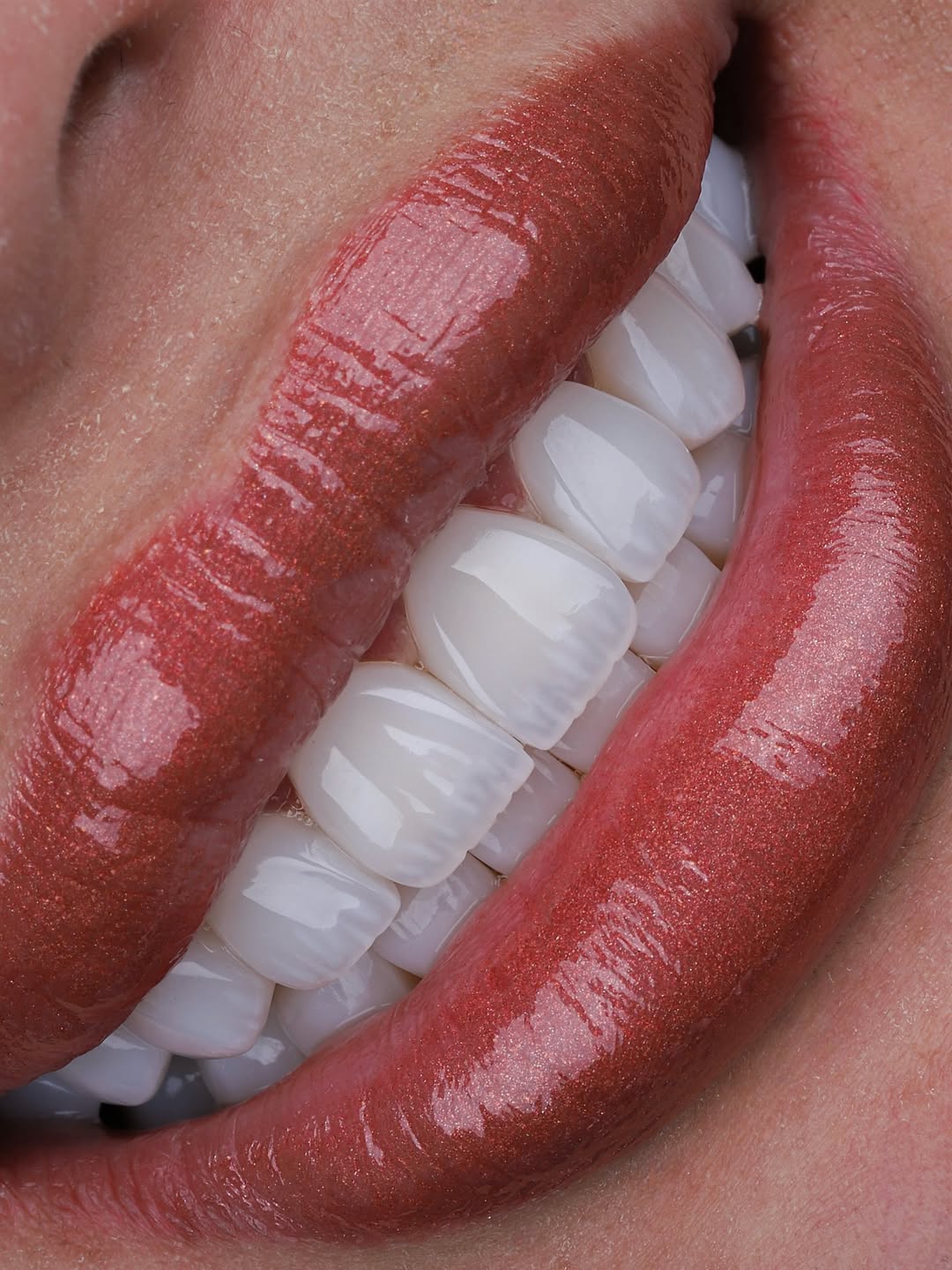
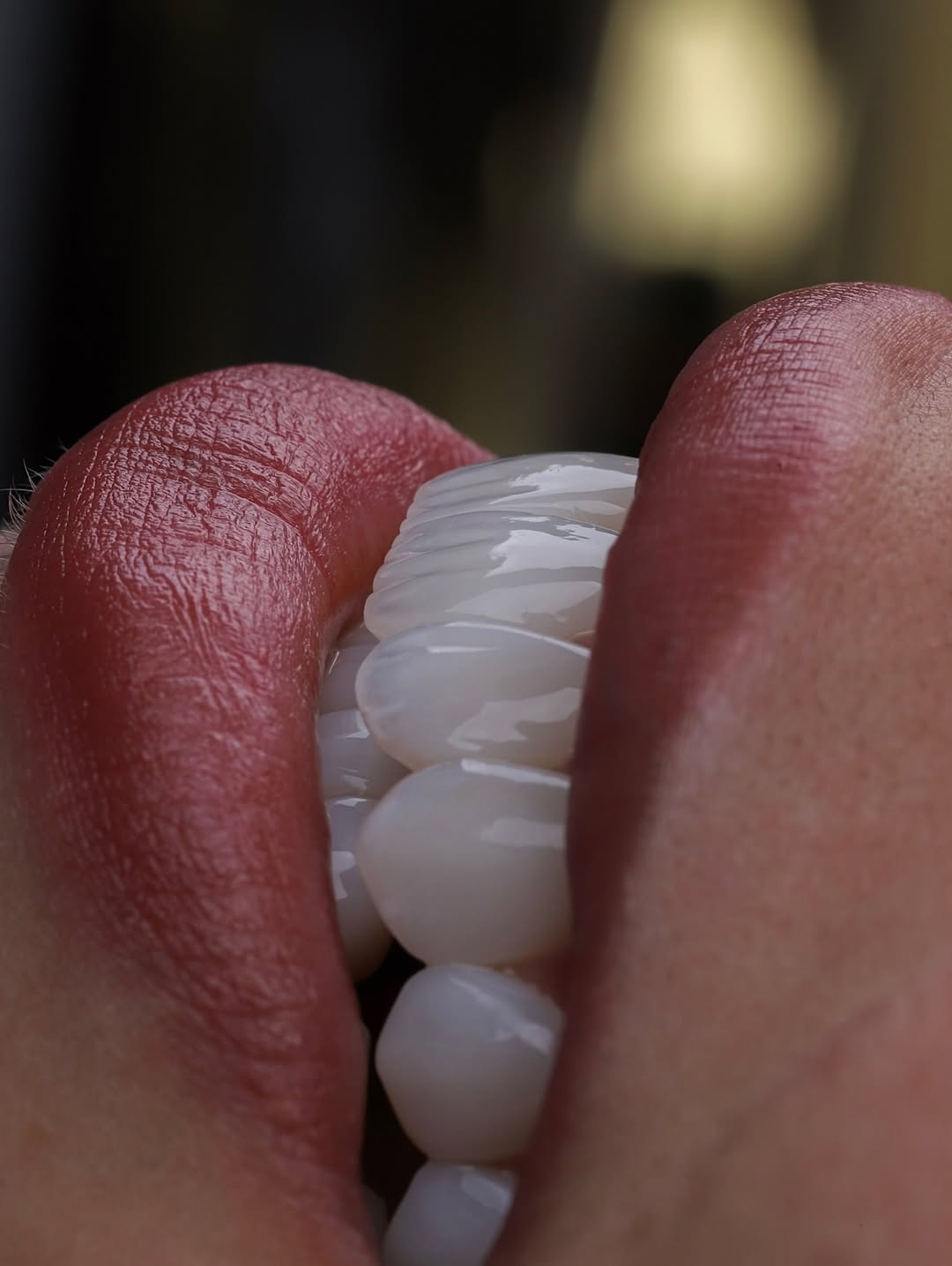
This is the category most directly relevant to patients considering veneers or other restorative work. Porcelain and composite materials used to fabricate veneers, crowns, and bridges must be registered with INVIMA before they can be legally sold and used in Colombia. This registration process requires manufacturers to demonstrate that their products meet safety standards for biocompatibility — meaning the material will not cause toxic, allergic, or inflammatory reactions when in contact with oral tissue.
Bonding agents, luting cements, and etching gels used during veneer placement are also subject to INVIMA registration. These are the adhesive products that chemically attach your veneer to your tooth. The quality and biocompatibility of these agents directly affects how long a veneer bond lasts and whether the surrounding gum tissue remains healthy.
Get your veneers in Colombia for up to 70% less.
In the US, 20 porcelain veneers run $30,000–$50,000. With Dr. Yazmin in Medellin, it's $6,900, all-inclusive.
Individual patient experience. Prices, inclusions and results are confirmed after a clinical evaluation. A full evaluation is required before any treatment.
You will receive a comprehensive care guide to ensure your beautiful veneers in Medellín last for decades.
Equipment and Instruments
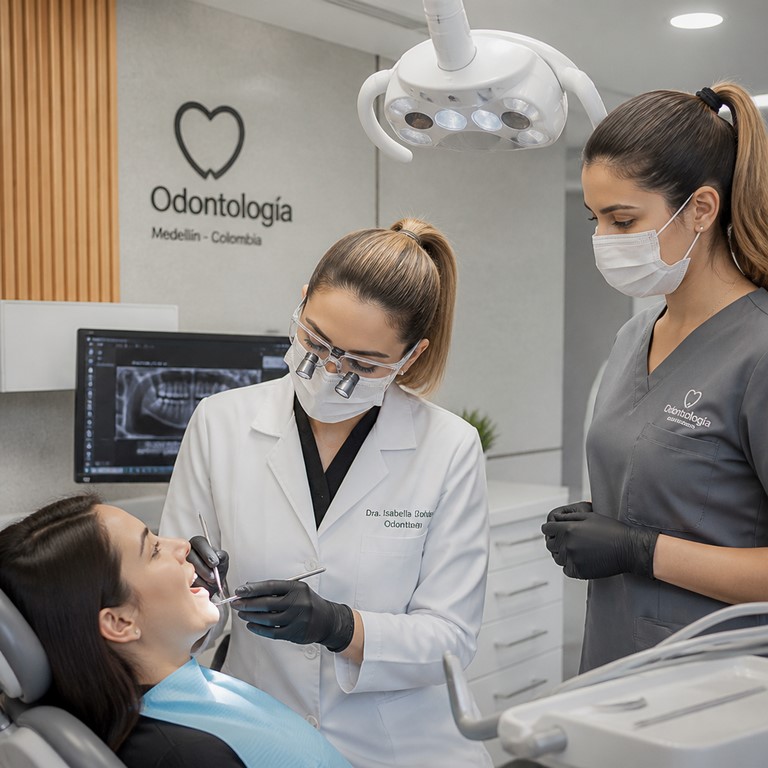
INVIMA registers dental equipment including digital X-ray units, curing lights, sterilization systems, and CAD/CAM milling machines. Registered equipment has been evaluated for both patient safety and operator safety — a distinction that matters when considering radiation exposure from imaging devices or the safety of electrical and mechanical instruments used in your mouth.
Clinic and Laboratory Facilities
While INVIMA does not directly license individual clinics in the same way a state dental board does in the United States, its material and equipment registration requirements create a compliance framework. Clinics operating outside this framework — using unregistered materials or unregistered equipment — are doing so illegally and without any independent safety oversight.
Registered vs. Grey-Market Materials: Why the Difference Matters
There is a meaningful black market for dental materials in Colombia, as in many countries. Imported ceramic powders and bonding agents that have not gone through INVIMA’s registration process circulate at lower cost through informal channels. These products are sometimes used by clinics trying to reduce expenses and offer aggressively low prices.
The problem is not simply legal — it is clinical. Unregistered materials have not been independently evaluated for the Colombian market. Batch-to-batch consistency may be poor. Biocompatibility testing may be absent or performed under different standards. A ceramic that looks identical to a registered product may behave differently under thermal cycling, may have a higher coefficient of thermal expansion that causes microcracking over time, or may contain pigments that are not stable under UV light.
For patients who will be flying home days after treatment, this matters even more. You will not have easy access to your treating dentist if a material failure causes sensitivity, gum irritation, or early debonding. Using INVIMA-registered materials is one of the most meaningful risk-reduction steps a clinic can take on your behalf.
How Colombia’s INVIMA Compares to International Regulators
International patients naturally want to benchmark Colombian regulation against what they are familiar with at home. The comparison is generally reassuring:
| Country | Regulatory Body | Dental Material Classification |
|---|---|---|
| United States | FDA (Food and Drug Administration) | Class II Medical Device (510k clearance) |
| Colombia | INVIMA | Medical device registration with biocompatibility requirement |
| Canada | Health Canada | Medical Device Licence (MDL) |
| Australia | TGA (Therapeutic Goods Administration) | Listed or Registered on ARTG |
| United Kingdom | MHRA (Medicines and Healthcare products Regulatory Agency) | UK Conformity Assessed (UKCA) marking |
| European Union | European Commission / Notified Bodies | CE marking under MDR 2017/745 |
Major ceramic systems used in Colombian dental clinics — including well-known brands used at top Medellín practices — are typically registered with multiple regulators simultaneously. A ceramic manufacturer selling into both the U.S. and Colombian markets will carry both FDA 510(k) clearance and INVIMA registration. This parallel compliance is a strong quality signal. It means the product has been reviewed by independent regulatory bodies in multiple jurisdictions, not just one.
Red Flags: What to Watch For
When researching clinics, certain patterns suggest a clinic may not be using properly registered materials:
- Inability to name their ceramic system. A reputable clinic should be able to tell you exactly which ceramic brand and system they use (e.g., IPS e.max by Ivoclar, VITA VM by VITA Zahnfabrik, or similar). If staff cannot answer this question, or give vague answers like “we use the best porcelain,” treat it as a warning sign.
- Unusually low prices with no explanation. Premium ceramic systems have a material cost. Clinics offering prices dramatically below the market rate for a given city are often cutting costs somewhere — and materials are a common place to cut.
- No written documentation. Reputable clinics provide material documentation or can produce it on request. If a clinic cannot provide a material specification sheet, ask yourself what else they cannot document.
- Pressure to decide quickly. Clinics confident in their materials and credentials welcome questions. Pressure tactics — “this price is only valid today” — are often used to prevent patients from doing due diligence.
The Right Questions to Ask Your Clinic
Before committing to a dental tourism clinic in Colombia, ask these questions directly and note how staff respond — both the substance of the answer and the confidence with which it is delivered:
- “Are your veneer materials INVIMA-registered?”
- “What ceramic system do you use — brand name and manufacturer?”
- “Do you have an in-house lab, and who fabricates the veneers?”
- “Can you provide a material specification sheet I can show my dentist at home?”
- “What bonding agent do you use, and is it registered with INVIMA?”
A clinic that answers these questions fluently, with specific names and registration numbers, is operating transparently. A clinic that deflects, gets defensive, or cannot answer should be removed from your shortlist regardless of how attractive the price appears.
Why Top Medellín Clinics Invest in Certified Materials
There is a real cost to using premium, INVIMA-registered ceramic systems. Established brands charge more than grey-market alternatives, and in-house labs must maintain ongoing supplier relationships and documentation. So why do top clinics in Medellín — a city with a thriving, competitive dental tourism market — choose the more expensive path?
The answer is partly ethical and partly commercial. A veneer that debonds, cracks, or discolors within two years does not just harm the patient — it harms the clinic’s reputation in an era when online reviews cross borders instantly. A Medellín clinic treating international patients in 2024 knows that a dissatisfied patient in Toronto or Sydney can leave a review visible to thousands of prospective patients worldwide. Using certified, premium materials is not charity. It is the foundation of a sustainable referral business.
For international patients, this alignment of incentives is actually reassuring. The economic model of dental tourism in Medellín rewards clinics that deliver durable, documented results — not clinics that cut corners on materials they know patients cannot easily inspect.
The Bottom Line on INVIMA and Your Safety
INVIMA registration is not a guarantee of perfection, but it is a meaningful floor. It means the materials used in your mouth have been reviewed by a federal regulatory body, not simply purchased through informal channels. Combined with choosing a clinic that operates an in-house lab — where material quality is directly observable by the ceramist working on your case — INVIMA-registered materials represent a responsible baseline for any international patient considering dental work in Colombia.
Do not let unfamiliarity with Colombian regulation become a reason to avoid asking hard questions. The questions outlined in this article are exactly the ones a well-run, transparent clinic expects to answer.