The Ultimate Veneer Color Shades Guide: Is BL2 Too White for You?
Choosing the right veneer shade can feel overwhelming. Too yellow, and you’ll wonder why you even bothered. Too white, and you risk looking like a game show host.
If you’ve been staring at a veneer color chart wondering “What shade should I actually get?”, you’re in the right place. This guide breaks down everything from the BL1 vs BL2 debate to how your skin tone affects your final result, so you can walk into your appointment confident and informed.
Veneer Color Chart Explained: “Natural” vs. “Bleach” Shades

Before we dive into which shade is “best,” let’s decode what dentists actually mean when they talk about veneer colors. Most cosmetic dentists use two primary scales, and understanding the difference is crucial.
The Natural Scale (Vita Classical)
These shades mimic what naturally healthy teeth look like. No one would ever accuse you of having veneers with these shades.
- B1: The whitest natural shade possible. This is as white as a healthy, unbleached tooth can be. It’s the gold standard for people who want noticeable improvement without screaming “I got work done.”
- A1: Slightly warmer than B1. Think “fresh and youthful” rather than “bright white.” Popular with older patients who want a natural refresh.
- A2/A3: Classic ivory tones. These match most people’s existing teeth and are often chosen when only replacing a few teeth to blend seamlessly.
The Bleach Scale (Hollywood Shades)

These shades didn’t exist in nature, but patient demand created them. They’re whiter than any tooth you’d find without cosmetic intervention.
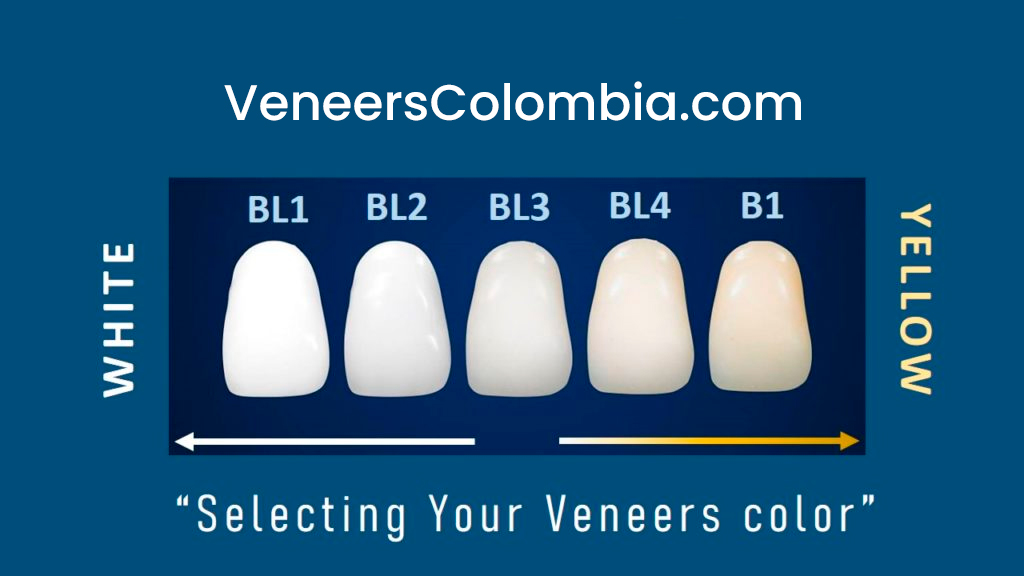
- BL1 (0M1): The absolute whitest shade available. We’re talking refrigerator white, fresh printer paper white. This is what you see on Instagram influencers and red carpets.
- BL2 (0M2): Very bright white, but with slightly more warmth and translucency than BL1. Currently the most popular choice for full smile makeovers.
- BL3 (0M3): A balanced white that looks like someone with naturally great teeth who’s also religious about whitening treatments.
- BL4: The darkest bleach shade, occasionally used to match older veneers or crowns.
Pro tip: If you’re researching veneer standards and want to understand the technical specifications, you can check out the official VITA Toothguide 3D-MASTER documentation or guidelines from the American Academy of Cosmetic Dentistry.
BL1 vs BL2 Veneers: The Battle for Most Popular Veneer Color
This is where most people get stuck. Both are “Hollywood white,” but they create very different results. Here’s the honest breakdown:
| Feature | BL1 (Super White) | BL2 (Natural White) |
|---|---|---|
| Brightness | Maximum. Reflects the most light possible. | High brightness but slightly warmer. |
| Translucency | Can look opaque or “flat” if not properly layered. | Better translucency; mimics natural enamel depth. |
| Best For | High-impact looks, TV/camera work, influencers. | Full smile makeovers aiming for “perfect but believable.” |
| Risk Level | Higher risk of looking artificial in natural daylight. | Lower risk. Looks polished without being jarring. |
The verdict: BL2 has become the #1 choice for modern smile makeovers because it satisfies the desire for noticeably white teeth without crossing into “are those real?” territory.
When you’re investing in a smile makeover, especially if you’re considering safe veneers in Colombia, choosing between BL1 and BL2 becomes even more important since you want results that look amazing both in your hometown and internationally.
Is BL2 Veneer Too White? The Question Everyone Asks
Let’s address this head-on.
The Short Answer
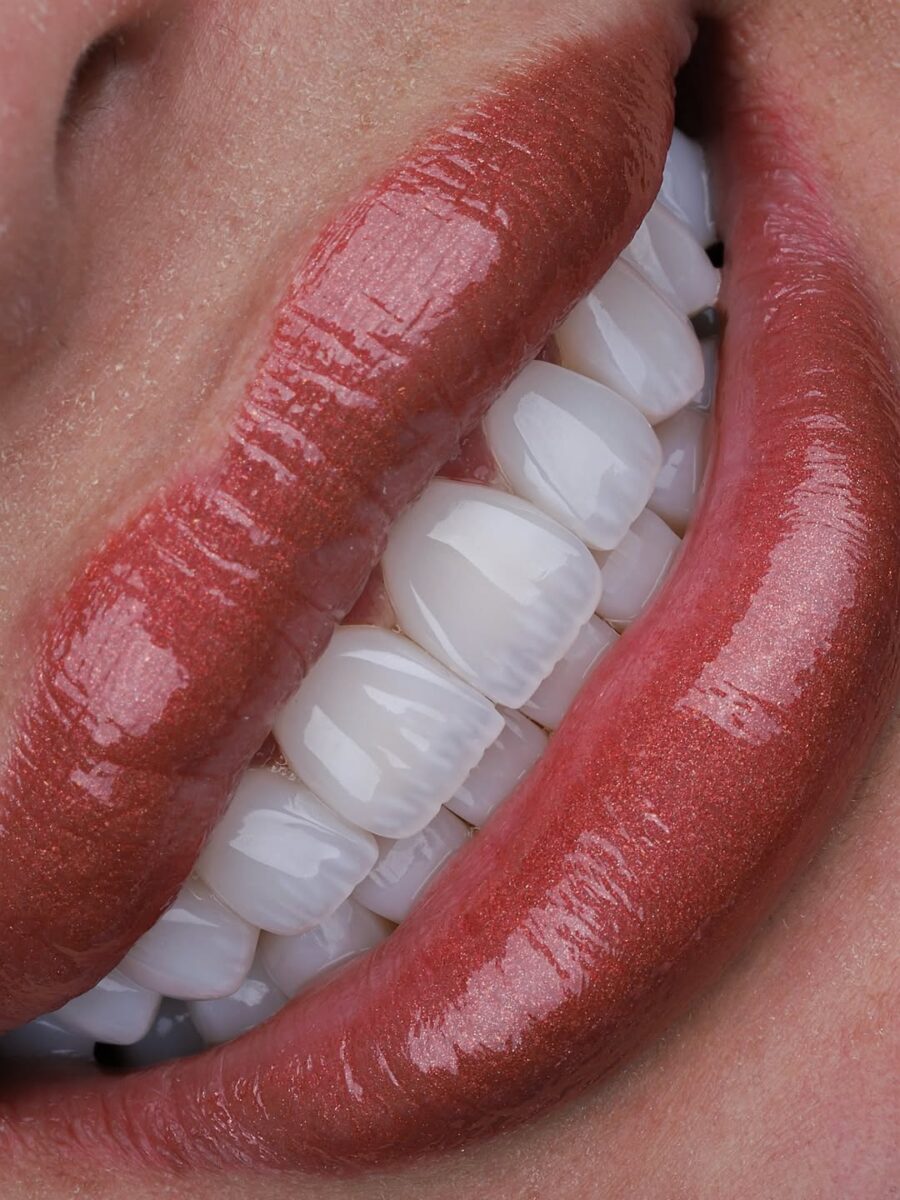
For most people getting a full smile makeover (8-10 veneers), BL2 is NOT too white. It’s bright, youthful, and modern without looking fake.
The Nuanced Answer
Whether BL2 is “too white” depends on three factors:
1. How many veneers are you getting?
- Getting only 1-2 veneers and your natural teeth are A2 or darker? BL2 will stick out like a sore thumb.
- Doing a full smile makeover (upper 8-10 teeth)? BL2 will look cohesive and intentional.
2. Your skin tone matters (more on this below)
- Fair skin: BL2 looks natural and fresh
- Medium/olive skin: BL2 creates a beautiful, balanced brightness
- Deep skin: BL2 provides stunning contrast (though BL3 often looks equally white due to contrast)
3. The quality of the work A flat, opaque BL2 veneer looks worse than a well-crafted B1 with proper translucency. Research published in the Journal of Esthetic and Restorative Dentistry confirms that brightness matters, but so does how light interacts with the veneer surface.
Real talk: If you’re concerned about BL2 being too white, you’re probably overthinking it. Most people who choose BL2 for a full smile are thrilled with the results. The patients who regret going “too white” are usually those who chose BL1.
How to Choose Veneer Shade for Skin Tone: The Definitive Guide
Your skin tone isn’t just background—it’s the frame for your smile. Here’s how to match them correctly:
Fair / Pale Skin
Recommended shades: BL2 or B1
Why it works: With less natural contrast between your skin and teeth, you can go brighter without the “shock factor.” BL2 reads as fresh and youthful. BL1 can sometimes look too stark or slightly blue-toned against very pale skin.
Avoid: Going too warm (A2/A3) can make you look washed out.
Medium / Olive / Tan Skin
Recommended shades: BL2 or BL3
Why it works: This is the sweet spot where BL2 truly shines. The slight warmth in the shade complements olive undertones beautifully. BL1 starts to look noticeably artificial at this skin tone, creating high contrast that can read as “veneers” rather than “great teeth.”
Celebrity example: Many Latin American celebrities and Middle Eastern influencers with medium skin tones choose BL2 for exactly this reason.
Dark / Deep Skin
Recommended shades: BL3 or B1
Why it works: Here’s the secret—you don’t need the whitest shade to have a brilliant smile. Because of the natural high contrast with your skin, even B1 (the whitest natural shade) will look incredibly bright and white. BL3 often appears just as white due to the contrast effect, but looks more natural because it has depth and translucency.
The “piano key” effect: BL1 on deep skin creates extreme contrast. Some people love this bold look (it’s definitely eye-catching), but it’s unmistakably artificial. If that’s your vibe, go for it. If you want people to think you were just blessed with amazing teeth, stick with BL3 or B1.
Research note: A study on dental aesthetics across different ethnicities found that perceived whiteness is highly influenced by surrounding contrast—meaning the same shade veneer can look drastically different depending on your natural coloring.
The 3 Tests to Choose Your Perfect Veneer Shade
Forget guessing. Use these three expert-approved methods:
1. The “Whites of Your Eyes” Test
Stand in front of a mirror in natural daylight. Look at the sclera (white part) of your eyes.
The rule: Your teeth should generally not be whiter than your eyes. When they are, they become the dominant focal point of your face in an unnatural way. It’s the dental equivalent of Instagram filters gone wrong.
2. The Skin Tone Factor
We covered this above, but to recap:
- Fair skin → BL2 or B1
- Olive/medium skin → BL2 or BL3
- Dark skin → BL3 or B1
3. The Translucency Factor (Most Important!)
Here’s what most guides don’t tell you: the shade matters less than the quality of the porcelain and the skill of the ceramist.
A cheap, flat, opaque B1 veneer will look worse than a high-quality, translucent BL2 veneer. Natural teeth aren’t solid blocks of color—they’re slightly see-through at the edges (called “incisal translucency”) and have subtle texture.
What to demand from your dentist:
- High-quality porcelain (Emax or similar)
- Incisal translucency (clear/slightly blue at the tips)
- Micro-texture on the surface (real teeth have tiny ridges; perfectly smooth veneers scream “fake”)
When you’re choosing a dental provider—whether locally or considering options like cosmetic dentistry in Colombia—make sure they use premium materials and have a skilled ceramist who understands light dynamics.
Most Popular Veneer Color in 2025: What Are People Actually Choosing?
Based on current trends and consultations with cosmetic dentists:
| Look Desired | Most Popular Shade | Why People Choose It |
|---|---|---|
| The “Influencer” Smile | BL1 | Maximum impact. Camera-ready. Unmistakably white. |
| The “Perfect” Smile | BL2 | #1 choice. Bright and modern without looking fake. |
| The “Natural” Smile | B1 | Classic choice for professionals who want flawless but subtle. |
| Matching Existing Work | A1 or A2 | Blends with previous crowns or natural teeth. |
The clear winner: BL2 dominates smile makeovers in 2025. It’s the Goldilocks shade—not too conservative, not too aggressive, just right for most people.
Before You Commit: The Try-In Paste Test
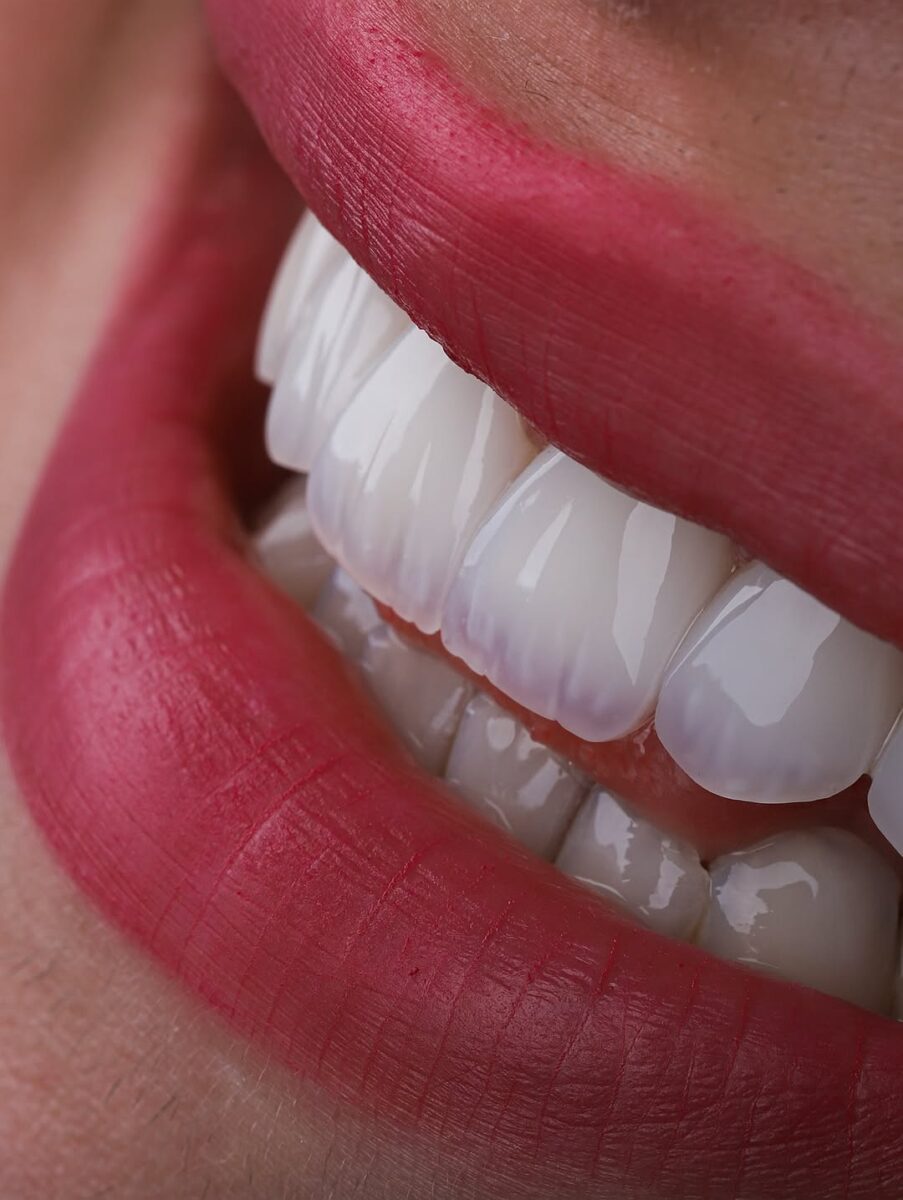
Here’s the move that will save you from any regrets: demand a try-in paste appointment before your veneers are permanently cemented.
This is a temporary paste in your chosen shade that your dentist places on your teeth so you can see the color in real life—in your lighting, with your skin tone, on your face. You can take photos, get opinions from trusted friends, and make sure you absolutely love it before committing.
Most reputable cosmetic dentists offer this as standard practice. If yours doesn’t, that’s a red flag.
Ready to Choose Your Shade?
Choosing veneer shades doesn’t have to be stressful. Here’s your action plan:
- Identify your skin tone (fair, medium, or dark)
- Decide on your goal (natural, perfect, or Hollywood)
- Use the charts in this guide to narrow down to 2-3 shades
- Book a consultation with a cosmetic dentist who offers try-in pastes
- Prioritize quality over just picking the whitest shade
Remember: the best veneer isn’t the brightest one—it’s the one that makes you feel confident every time you smile.
Looking for experienced cosmetic dentists who understand shade selection and use premium materials? Learn more about veneer options and safety or explore why Colombia has become a trusted destination for smile makeovers.
Still have questions about veneer shades? The most important decision isn’t the exact shade code—it’s choosing a dentist who listens to your goals, shows you examples of their work, and uses quality materials. Your smile is an investment. Make it count.