“Same-day veneers” is one of the most searched — and most misunderstood — phrases in cosmetic dentistry. The appeal is obvious: fly in, get a new smile, fly home, all within a matter of days. But as a treating clinician, it’s important to separate the marketing claim from the clinical reality. Some same-day dentistry is genuinely excellent. Some of it sacrifices aesthetics and longevity for speed. The difference lies almost entirely in the workflow used, the case complexity, and whether the clinician is being honest about the trade-offs involved.
The same veneers cost up to 70% less in Colombia.
See if you qualify Free video call in English · on WhatsAppIndividual patient experience. Results and pricing are confirmed after a clinical evaluation.
This article explains, in plain clinical terms, when same-day CAD/CAM veneers are an appropriate choice, when a traditional lab-fabricated workflow delivers a meaningfully better result, and how a well-run 72-hour treatment protocol in Medellín reconciles both approaches rather than forcing a false choice between speed and quality.
Two Different Workflows, Two Different Purposes
There are two fundamentally different ways veneers get made, and confusing them is where most patient disappointment originates.
CAD/CAM (Chairside) Same-Day Veneers
This workflow uses digital scanning, computer-aided design software, and an in-office milling unit to fabricate a veneer from a solid block of ceramic within hours, sometimes while the patient waits. It eliminates the need for a physical impression and a dental laboratory turnaround. The main materials used chairside are typically feldspathic or lithium disilicate blocks, milled to a digitally designed shape.
Medical tourism safety standards are exceptionally high, giving you peace of mind when traveling for porcelain veneers in Colombia.
Lab-Fabricated (Traditional) Veneers
In this workflow, digital scans or impressions are sent to a dental laboratory, where a skilled ceramist hand-layers porcelain — most commonly E-max lithium disilicate for anterior veneers — building up translucency, texture, and color gradient layer by layer. This process typically takes several days but allows a level of artisanal customization that a milling machine, however precise, cannot replicate on its own.
The same veneers in Colombia cost up to 70% less.
In the US, 20 porcelain veneers run $30,000–$50,000. With Dr. Yazmin in Medellin, it's $7,000, all-inclusive.
Individual patient experience. Prices, inclusions and results are confirmed after a clinical evaluation. A full evaluation is required before any treatment.
Where Same-Day CAD/CAM Genuinely Excels
- Single-tooth or limited-tooth cases: Replacing or restoring one to a few teeth where an exact aesthetic match to adjacent natural teeth is less demanding.
- Posterior restorations: Crowns and veneers on back teeth, where translucency and light dynamics matter far less than in the smile zone.
- Time-constrained clinical logic: When the patient’s travel window genuinely requires same-day turnaround and the case is aesthetically straightforward.
- Provisional (temporary) restorations: CAD/CAM is excellent for producing well-fitted temporaries to protect prepared teeth while a final lab restoration is completed — a core part of any well-structured all-inclusive dental package.
Where Lab Fabrication Still Outperforms Chairside Milling
For full smile makeovers — the kind involving 16 to 20 anterior and visible posterior teeth — the aesthetic bar is much higher, and this is where the limitations of pure same-day milling become clinically relevant:
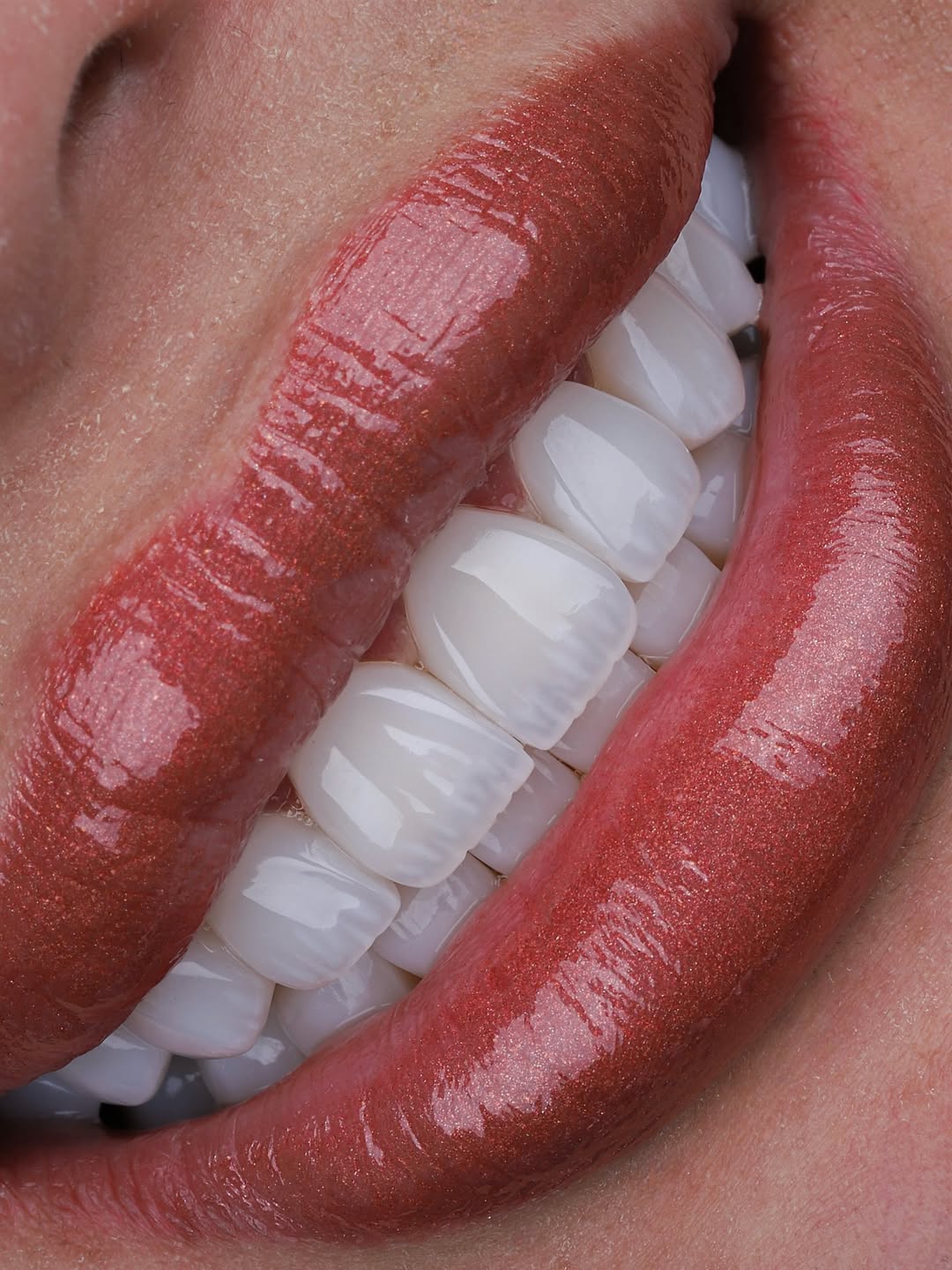
- Layered translucency: Natural teeth are not one uniform shade. They have gradient translucency from the gumline to the incisal edge, subtle internal characterizations, and light-scattering properties that a hand-layered ceramist can replicate far more convincingly than a single milled block, which tends to have more uniform optical properties.
- Shade customization across a full arch: Matching 20 veneers to each other and to the patient’s skin tone, lip line, and facial aesthetics requires iterative artistic judgment, often involving a physical try-in stage before final glazing.
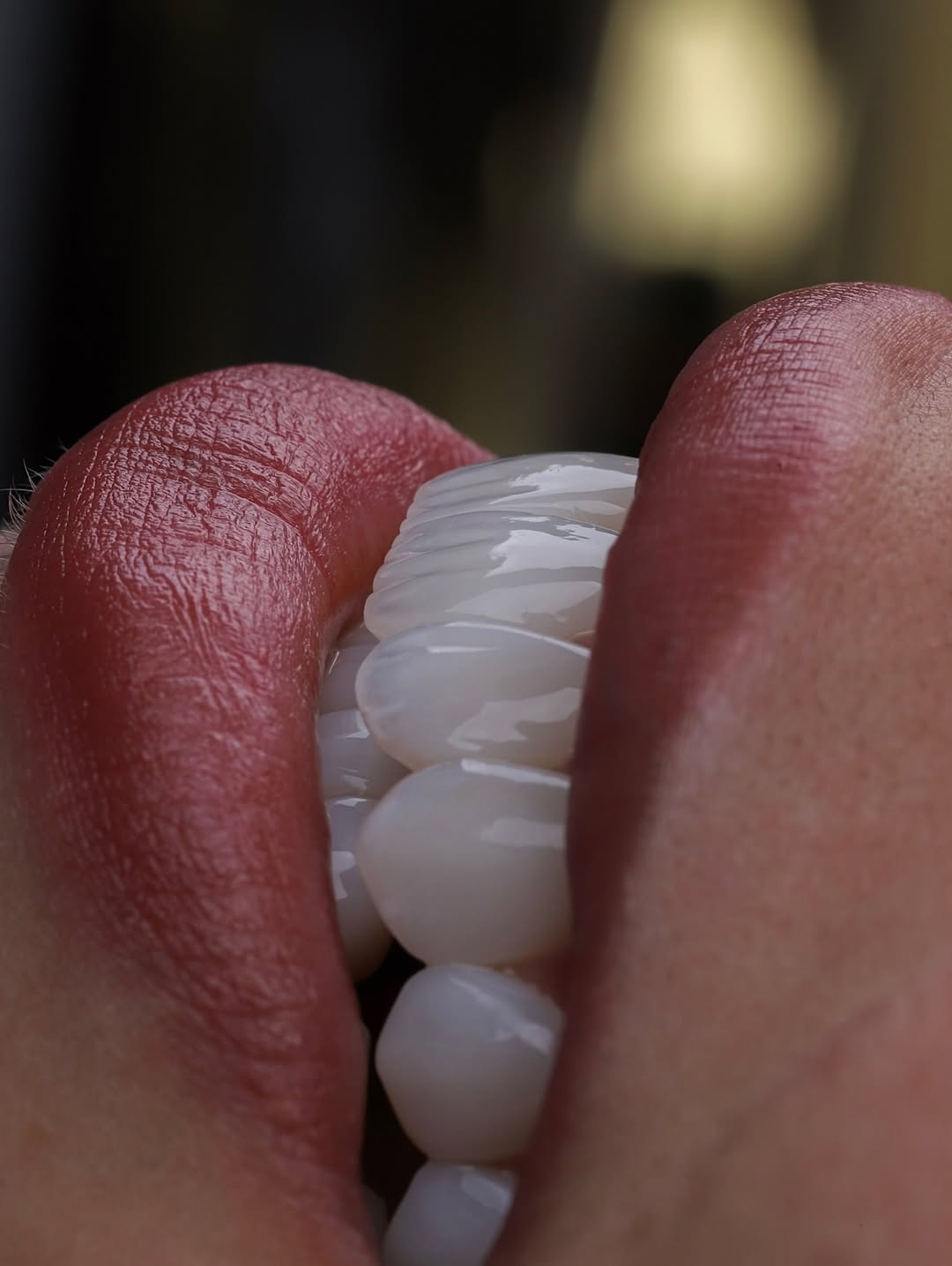
- Surface texture and micro-detail: Perikymata (the fine natural ridges on tooth enamel) and other micro-textures are typically hand-finished by an experienced ceramist, contributing to a result that reads as natural rather than uniformly “perfect” in a way that can look artificial.
- Material performance for full-coverage anterior cases: E-max fabricated through a traditional pressed or layered technique has a long, well-documented clinical track record specifically for anterior veneer cases, particularly around long-term marginal fit and fracture resistance under the layering method used.
The Honest Clinical Answer: It’s Not Same-Day vs. Lab — It’s Both, Sequenced Correctly
A responsible full-mouth veneer protocol for international patients doesn’t force a binary choice between “same-day” and “lab-made.” Instead, it sequences both technologies according to what each does best:
- Day 1: Digital 3D scanning, smile design planning, and tooth preparation. CAD/CAM-milled temporaries are placed immediately so the patient never leaves with exposed, prepared teeth — this is where same-day technology adds real value.
- Days 1–2 (parallel): Final veneers are fabricated using precision milling combined with hand-finishing and layering techniques to achieve full-arch shade harmony and natural translucency, rather than rushing a full 20-unit case through a single-shade milling cycle.
- Day 3: Try-in, minor adjustments, and final cementation, followed by a bite and occlusion check before the patient travels home.
This is how a genuine 72-hour smile makeover works clinically — not by skipping steps, but by using accelerated digital workflows exactly where they don’t compromise the final aesthetic result, and reserving craftsmanship-dependent steps for where they matter most. Patients who want to understand the full digital planning process behind this — including facial analysis and proportion mapping before a single tooth is prepared — should read our companion article on digital smile design in Colombia.
The Ethical Red Flag: “Everything in One Sitting”
Be cautious of any clinic promising a full arch of 16–20 veneers designed, milled, and permanently cemented within a single same-day appointment with no try-in or adjustment phase. For limited single-tooth cases, this can be entirely appropriate. For full-mouth cosmetic cases, skipping the try-in and verification stage removes the safety net that catches shade mismatches, bite issues, or proportion problems before they’re permanently bonded. A dentist who is transparent about needing a short multi-day sequence — rather than promising instant, one-visit perfection — is generally the more clinically honest choice, even within a compressed international travel timeline. This transparency also extends to how a case is priced and sequenced from the very first quote, which we cover in our guide to financing dental treatment in Colombia.
What This Looks Like at Our Clinic
Dr. Yazmín Escudero, trained in New York and registered with RETHUS with 16 years of clinical experience, structures the 72-hour smile makeover around this exact principle: digital efficiency where it helps, hand-finished craftsmanship where it matters. Every full-mouth case includes a dedicated try-in and adjustment stage before final cementation — not because it’s required by marketing copy, but because it’s how full-arch veneer cases are supposed to be done. For details on how this fits into the complete travel and treatment package, see our guide to Medellín dental packages.
Curious Whether Same-Day Fits Your Case?
Every smile is different, and the right workflow depends on your specific case, tooth count, and travel window. Send us your photos for a preliminary assessment.