The bottom line: Dental tourism can save you 50–80% on veneers, implants, and smile makeovers — but the clinic you choose matters far more than the country. This guide gives you a complete, evidence-based framework to vet any dental clinic abroad before you book a flight, protecting your health, your money, and your smile.
Why This Decision Is Critical
Over 14 million people travel abroad for dental care each year, drawn by savings that can exceed $10,000 on full smile makeovers. The results are often excellent — but the risks are real and well-documented.
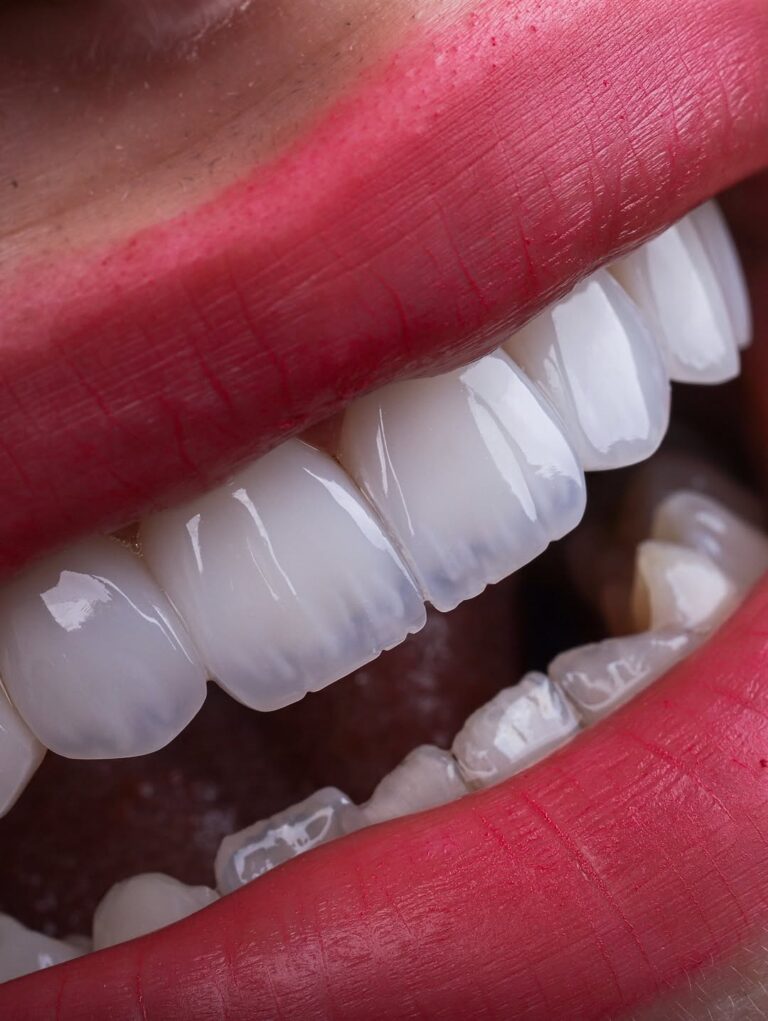
The same veneers cost up to 70% less in Colombia.
See if you qualify Free video call in English · on WhatsAppIndividual patient experience. Results and pricing are confirmed after a clinical evaluation.
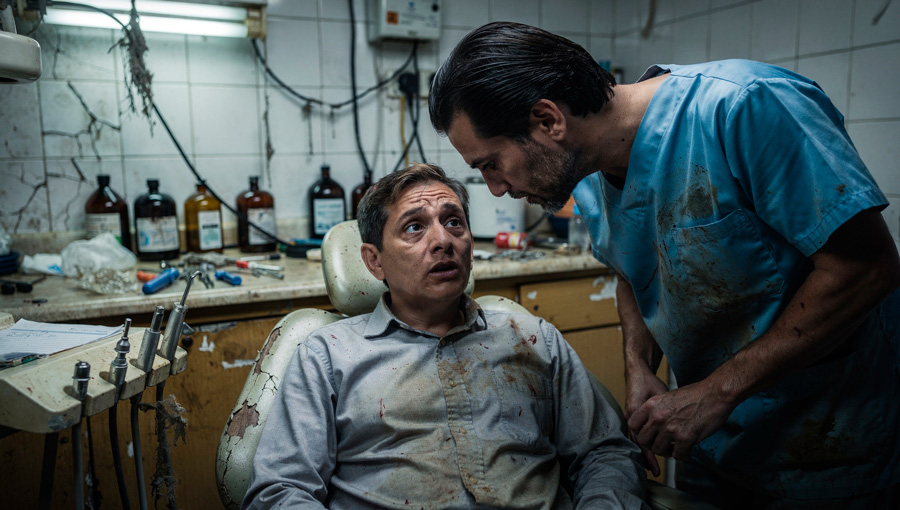
According to the British Dental Association (BDA), 95% of UK dentists have examined patients who traveled abroad for dental treatment, and 86% of those have treated cases that developed complications. The most common problems include crown and veneer failures, infections from inadequate sterilization, bite imbalances causing jaw pain, and irreversible nerve damage from excessive tooth preparation.
One dental surgeon quoted by the BBC described patients returning with treatments so compromised that reconstruction cost more than the original UK price. The pattern is consistent across destinations: the problem is never the country — it’s the clinic.
Step 1: Verify Dentist Credentials (Before Everything Else)
The first and most important check is who will actually be treating you — not the clinic director, not the person on the consultation call, but the specific dentist performing your procedure.
What to Verify
- Full name and university degree from a recognized dental faculty
- Postgraduate specialization in the relevant field: prosthodontics for veneers/crowns, implantology for implants, periodontics for gum work
- Year of graduation and years of experience specifically with your procedure
- Professional memberships in international bodies: ICOI (implantology), EAO (osseointegration), AACD (cosmetic dentistry)
- Continuing education records — the field evolves rapidly, and current practitioners stay updated
How to Verify Independently
Do not rely solely on what the clinic tells you. Cross-check through official national registries:
Many people use their savings from getting porcelain veneers in Medellín to explore the breathtaking landscapes of Medellin.
Get your veneers in Colombia for up to 70% less.
In the US, 20 porcelain veneers run $30,000–$50,000. With Dr. Yazmin in Medellin, it's $6,900, all-inclusive.
Individual patient experience. Prices, inclusions and results are confirmed after a clinical evaluation. A full evaluation is required before any treatment.
⚠️ Critical warning: Some clinics use a senior, highly credentialed dentist for consultations and marketing, then assign a junior colleague — sometimes recently graduated — to perform the actual treatment. Always ask: “Will the dentist I research and speak with be the one who performs my procedure? Can you confirm this in writing?”
Step 2: Understand Accreditations — What They Actually Mean
Accreditation is a useful filter, but it must be interpreted correctly. Here is what each certification actually means for a dental clinic:
Important: Any clinic can claim accreditation. Always verify from the accrediting body’s own database, not from the clinic’s website or brochures.
Step 3: Evaluate Technology and Materials
The materials and equipment a clinic uses directly determine how long your treatment lasts and how it looks.
Technology to Expect in a Quality Clinic
- 3D CBCT (Cone Beam CT) scanning for implants and complex cases — not optional for implant planning
- CAD/CAM (digital design and milling) for accurate crown and veneer fabrication
- Digital Smile Design (DSD) software for cosmetic cases — shows projected result before treatment
- Intraoral scanner — a sign the clinic avoids outdated impression trays
- Autoclave sterilization — legally required for all instruments between patients
Materials: Always Ask for Brand Names
A reputable clinic names its materials without hesitation. Vague answers (“we use the best quality porcelain”) are a red flag.
| Treatment | What to Ask | Premium Brand Examples |
|---|---|---|
| Veneers | Porcelain system brand | IPS E.max (Ivoclar), Vita Enamic, CEREC |
| Crowns | Zirconia brand and origin | Katana (Kuraray), VITA, Bruxzir |
| Implants | Manufacturer + country of origin | Straumann, Nobel Biocare, Zimmer Biomet |
| Composite bonding | Composite brand | 3M Filtek, Ivoclar Tetric |
Ask specifically: “Can you provide a certificate of authenticity for the materials used in my case?” This is standard practice at reputable clinics and creates accountability.
Step 4: Demand Full Transparency on Pricing
Bait-and-switch pricing is the most documented scam in dental tourism. A clinic advertises a low per-tooth price, but once treatment begins, additional charges appear: “premium material” upgrades, temporaries, bite adjustment, sedation, digital scans, and more — often doubling or tripling the original quote.
What a Legitimate Quote Must Include
A trustworthy clinic provides a fully itemized, written treatment plan with all costs detailed before you travel — and honors it:
- Number of teeth/units being treated
- Specific material brand for each unit
- Consultation and diagnostic fees
- Temporaries (if applicable)
- Any required pre-treatment (cleaning, extractions, bone grafting)
- Follow-up appointment costs
- What happens if additional treatment is needed during the visit
Payment Red Flags
- Requiring full payment upfront before any consultation or treatment
- Refusing to provide a written quote by email
- Price significantly lower than all other clinics in the same city (not just country)
- No written policy on what happens if a restoration fails within the first year
Step 5: Assess Aftercare and Complication Protocols
This is the area most patients overlook until something goes wrong. What happens after you return home is as important as the treatment itself.
What a Responsible Clinic Provides
A well-structured remote aftercare program includes:
- Scheduled video follow-up consultations at 1 week, 1 month, 3 months, and 6 months post-treatment
- A direct communication channel — not a generic customer service contact, but access to your treating dentist or a named clinical coordinator
- Photographic monitoring — the ability to send intraoral photos for remote assessment
- Written aftercare instructions specific to your procedure, including warning signs
- Return visit coordination with explicit coverage if corrective work is needed under warranty
Questions to Ask About Aftercare Before Booking
- “What is your warranty on this treatment, and what does it specifically cover?”
- “If I need to return for a complication, will flights and accommodation be covered or assisted?”
- “Who do I contact if I have a problem at 11pm on a Saturday?”
- “Do you have partnerships with dentists in my home country for follow-up monitoring?”
- “Can I see the written guarantee document before I commit to booking?”Before you travel: Inform your home dentist about the planned treatment and ask if they are willing to provide local follow-up care. Many dentists will agree if you share the clinic’s documentation. This creates a critical safety net.
The 10 Biggest Red Flags — Walk Away Immediately
These are non-negotiable warning signs. If you encounter any of the following, do not proceed:
- 🚩 Refuses to name the treating dentist — or cannot confirm who will perform your procedure
- 🚩 Cannot provide a verifiable license number from the national health authority
- 🚩 Price is dramatically below all competitors — below market average signals inferior materials or experience
- 🚩 No written, itemized treatment plan before you book or pay a deposit
- 🚩 Pressure to book immediately or pay deposits within 24–48 hours
- 🚩 Promises treatment completion in 2–3 days for complex porcelain work (lab fabrication alone takes 7–14 days minimum)
- 🚩 Recommends significantly more treatment than your home dentist without written justification
- 🚩 Only social media presence — no professional website, no physical address, no verifiable reviews
- 🚩 No aftercare protocol for international patients, or vague warranty with no written document
- 🚩 Becomes unresponsive or evasive after you ask detailed questions about materials, credentials, or the treatment plan
How to Find and Vet Independent Reviews
Clinics can manufacture fake reviews — five-star ratings on their own website are meaningless without independent verification.
Reliable Review Sources (Use Multiple)
- Google Maps — look for pattern in negative reviews (similar complaints = systemic problems), check that reviewers have histories on other businesses
- Trustpilot — independently verified; flag clinics with suspiciously uniform 5-star reviews without text details
- RealSelf.com — patient community with before/after photos and detailed procedure accounts
- Facebook patient groups — “Dental Tourism [Country]” groups with real, unfiltered patient experiences
- Reddit r/DentalTourism — highly candid patient-to-patient reviews
- Bookimed, Dental Departures, WhatClinic — aggregators that vet clinics, but read individual reviews carefully
How to Spot Fake Reviews
- All 5-star reviews with no substantive detail
- Multiple reviews posted within days of each other
- Reviewers with no other review history
- Reviews praising “friendly staff and clean clinic” but never mentioning clinical outcomes
- A complete absence of negative reviews for a high-volume clinic
The Pre-Trip Consultation Checklist
Before booking a flight, complete these steps in order:
Phase 1: Initial Screening
- Clinic has a verifiable physical address (confirm on Google Maps Street View)
- Lead dentist name, university, and specialty are publicly listed
- Verified license number cross-checked with national dental authority
- Minimum 20+ independent reviews on 2+ platforms
- No pattern of complaints about materials, rushed procedures, or post-treatment abandonment
Phase 2: Direct Contact
- Request a video consultation (reputable clinics offer this readily)
- Confirm the name of the dentist who will perform your treatment
- Ask for the specific material brands to be used
- Ask for the lab name and whether work is done in-house or outsourced
- Receive a written, itemized treatment plan with final all-inclusive pricing
- Confirm the clinic’s written warranty terms
Phase 3: Pre-Travel Preparation
- Obtain a dental check-up and X-rays from your home dentist before traveling
- Inform your home dentist of the planned treatment; request their willingness to provide follow-up
- Purchase travel insurance that covers dental complications abroad
- Book return flights with minimum 7 days between first appointment and departure
- Prepare a list of questions for the in-person consultation
Phase 4: At the Clinic
- Confirm the treating dentist matches the one you researched
- Verify instruments are sterilized (packaged wrapping, autoclave indicators)
- Gloves are changed between patients; staff wear masks
- Request a copy of your full treatment records and lab reports
- Obtain the materials certificate with brand names and lot numbers
- Confirm the follow-up communication protocol in writing before leaving
What to Do If Something Goes Wrong After Returning Home
Despite best efforts, complications can occur with any dental procedure anywhere in the world. Here is how to handle it:
Step 1: Contact the treating clinic immediately with photos and a description. Reputable clinics have a documented protocol for this.
Step 2: See your home dentist for an independent assessment. They will document findings, discuss management options, and can contact the overseas clinic for clinical details if needed.
Step 3: Keep all documentation — your treatment records, lab reports, material certificates, and communications with the clinic. These are essential for any complaint or insurance claim.
Step 4: If the clinic is unresponsive, escalate to the national dental authority in the treating country. For clinics that are accredited, contact the accrediting body as well.
Step 5: For UK patients, the British Dental Association provides guidance. For US patients, consider the Department of State’s medical assistance resources if serious harm occurred.
Financial protection tip: Pay at least a deposit on a credit card (Visa or Mastercard) before traveling. If the treatment causes documented harm and the clinic refuses to resolve it, a chargeback claim gives you an additional legal avenue.
The Right Mindset: Price Is a Starting Filter, Not the Goal
The patients who regret dental tourism most are those who chose the cheapest option without asking the questions in this guide. The patients who are most satisfied are those who treated it like hiring a surgeon — verifying credentials, demanding transparency, and choosing a clinic that earned their trust with evidence, not just a low price.
A clinic that answers every question on this checklist confidently, in writing, and without pressure is a clinic worth considering. One that deflects, rushes, or goes vague on any of these points is one to avoid — regardless of how appealing the price looks.
Sources Consulted
Key references used to create the guide on how to choose a safe dental clinic abroad, including safety checklists, accreditation guidance, and red flag analyses.
-
Video Checklist
How To Choose The Best Dental Clinic Abroad (Without Getting Scammed)
Video explaining a 6-step vetting process for dental clinics abroad, including reviews, credentials, and aftercare.
Visit source -
Safety Guide
Is Dental Tourism Safe? What You Need to Know in 2026
Explains when dental tourism is safe and which verification steps are essential before booking.
Visit source -
Accreditations
What Accreditation Should a Dental Clinic Have?
Breakdown of JCI, ISO, national health licences and how to verify them for clinics abroad.
Visit source -
Questions to Ask
Questions to Ask Before Choosing a Dental Clinic Abroad
Expert checklist of pre-booking questions covering training, technology, materials, and follow-up.
Visit source -
Red Flags
5 Red Flags When Choosing a Dental Clinic Abroad
Summarizes the most common warning signs in dental tourism, from pricing traps to credential issues.
Visit source -
Official Checklist
Checklist for Safe Dental Care in Foreign Countries
Health authority checklist for travellers seeking dental care abroad, focusing on hygiene and safety.
Visit source -
Safety Checklist
Dental Tourism Safety Checklist: How to Choose Well
Structured list of safety checks for overseas dental clinics, including sterilization and documentation.
Visit source -
Risk Analysis
Risks of Dental Tourism and How to Avoid Them
Explores common complications in dental tourism and practical prevention strategies.
Visit source -
Verification Guide
Dental Tourism Safety: How to Verify a Clinic Before You Travel
Detailed guide on checking licences, accreditations, reviews and treatment plans before committing.
Visit source -
Recovery & Follow-up
Dental Tourism Recovery Guide: What to Do After Your Procedure
Explains how to manage recovery and organize follow-up care once you return home.
Visit source