What Are HSAs and FSAs?
Health Savings Accounts (HSAs) and Flexible Spending Accounts (FSAs) are tax-advantaged accounts available to U.S. residents that allow you to set aside pre-tax dollars for qualified medical expenses. They reduce your taxable income and can be used to pay for a wide range of healthcare costs — but the IRS defines exactly what counts as “qualified,” and that definition matters enormously when planning dental work abroad.
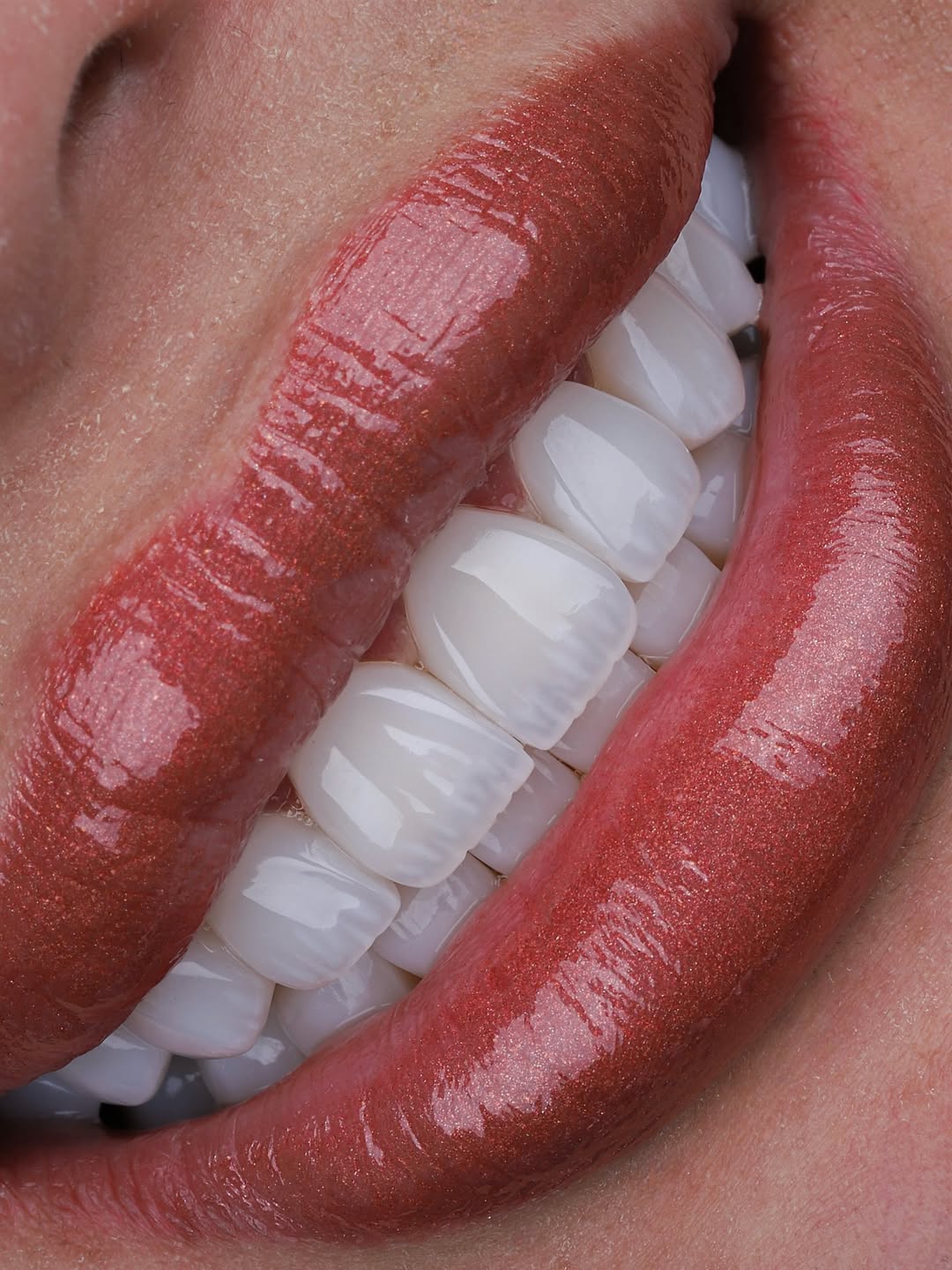
The same veneers cost up to 70% less in Colombia.
See if you qualify Free video call in English · on WhatsAppIndividual patient experience. Results and pricing are confirmed after a clinical evaluation.
HSA Basics
An HSA is available only to individuals enrolled in a High-Deductible Health Plan (HDHP). Contributions roll over year to year, the account earns interest or investment returns tax-free, and withdrawals for qualified medical expenses are never taxed. In 2026, the annual contribution limit is $4,300 for individuals and $8,550 for families.
FSA Basics
An FSA is offered through employer benefit plans regardless of health plan type. Contributions are pre-tax, but the account operates under a use-it-or-lose-it rule — most funds must be used by December 31 of the plan year (some plans allow a $640 rollover or a 2.5-month grace period). FSAs are funded upfront at the beginning of the plan year, which can be useful for large planned expenses.
Are Dental Veneers HSA/FSA Eligible? The IRS Answer
The short answer is no — purely cosmetic dental procedures are explicitly excluded from HSA and FSA eligibility under IRS Publication 502. The IRS defines cosmetic procedures as those that “improve appearance but do not meaningfully promote the proper function of the body or prevent or treat illness or disease.” Porcelain veneers placed solely to improve smile aesthetics fall squarely in that category.
This applies whether the procedure is done in the United States, Colombia, Mexico, or anywhere else in the world. The geography of the provider does not change the IRS classification of the procedure itself.
The Medical Necessity Exception
There is a genuine exception, but it requires clear documentation. If veneers are placed for a verifiable medical or functional reason — severe structural damage from decay, trauma-related tooth fracture, enamel erosion that compromises tooth integrity, or post-orthodontic reshaping required for occlusal function — the procedure may qualify as a medical expense rather than a cosmetic one.
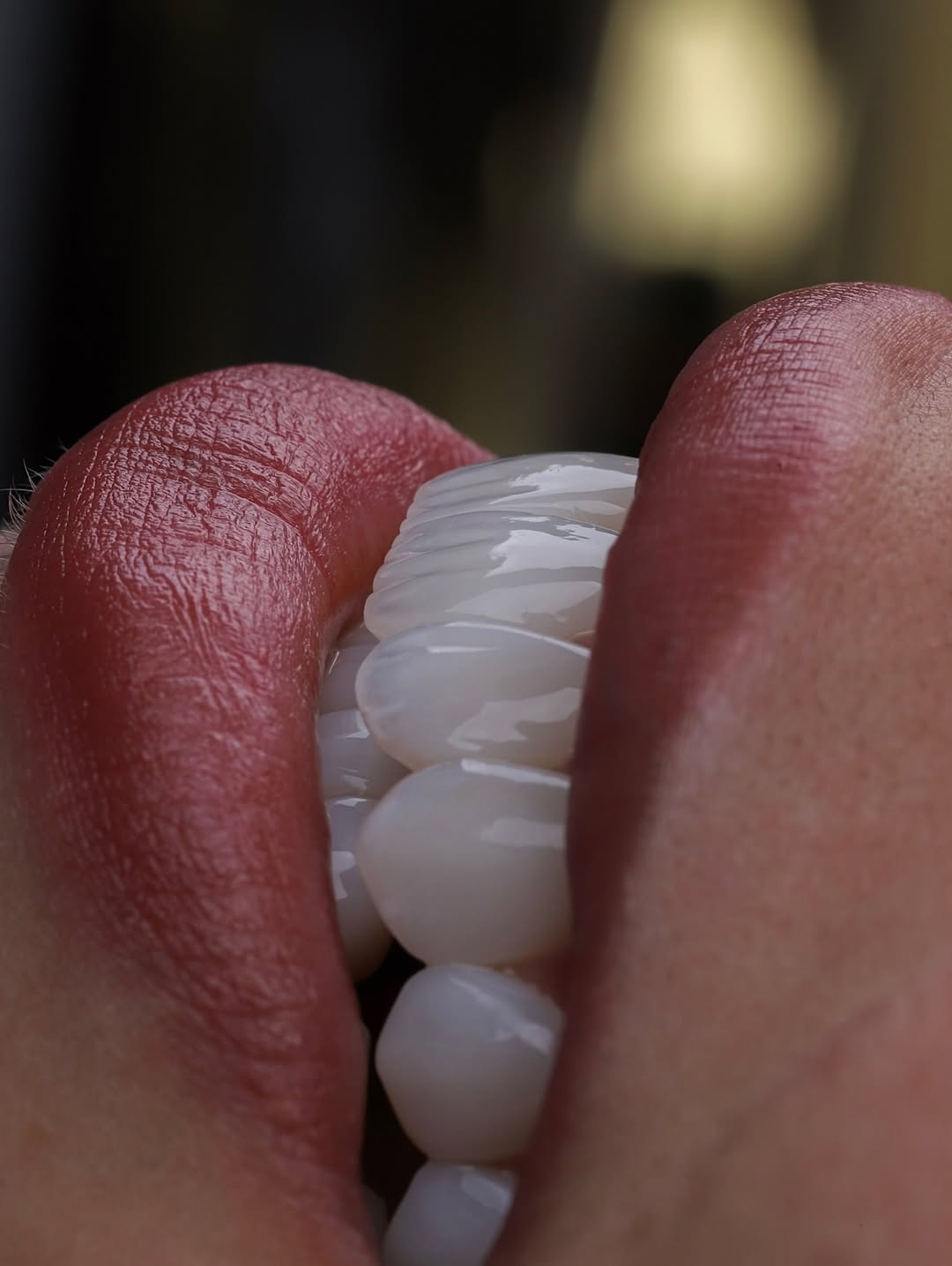
Get your veneers in Colombia for up to 70% less.
In the US, 20 porcelain veneers run $30,000–$50,000. With Dr. Yazmin in Medellin, it's $6,900, all-inclusive.
Individual patient experience. Prices, inclusions and results are confirmed after a clinical evaluation. A full evaluation is required before any treatment.
By bypassing the inflated medical costs of the US, you can easily afford a full set of 20 dental veneers in Colombia.
The critical requirement is a written letter from your treating dentist explaining the medical necessity, documenting the clinical diagnosis, and stating that the procedure was not primarily cosmetic. Without this letter, no HSA or FSA administrator will approve the claim, and IRS audits can disallow previously reimbursed amounts if documentation is inadequate.
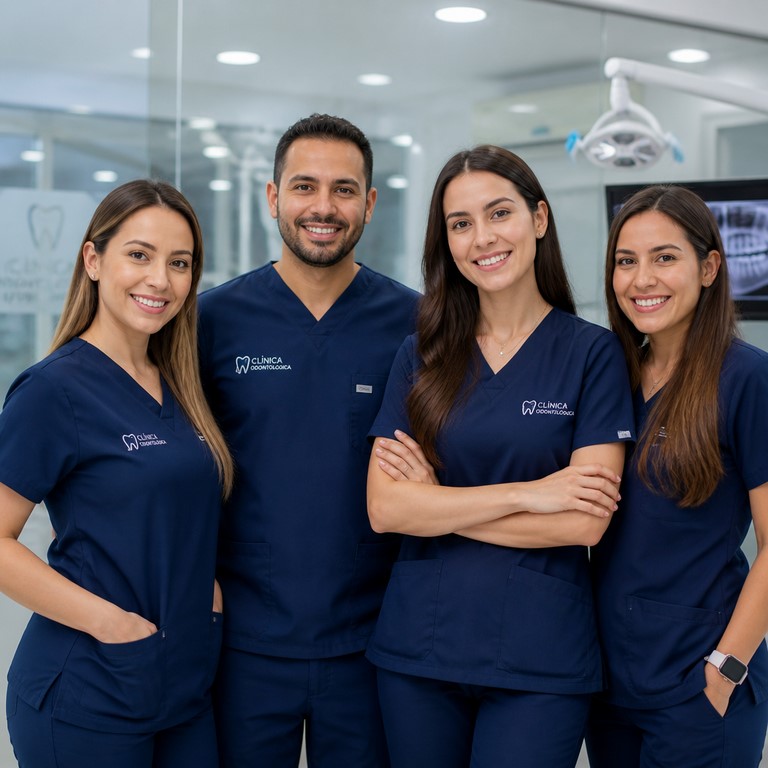
At Doctor Yazmin’s clinic in Medellín, the team can provide detailed clinical documentation for any restorative work performed alongside or instead of cosmetic veneers. This matters most when your treatment plan includes a mix of functional and aesthetic procedures.
What IS Generally HSA/FSA Eligible in Dentistry
Even if veneers themselves are excluded, a dental tourism trip typically involves multiple procedures, and several of them are HSA/FSA eligible:
- Dental cleanings and periodontal scaling — preventive care is eligible
- X-rays and diagnostic imaging — fully eligible, including 3D CBCT scans when clinically indicated
- Fillings — both amalgam and composite resin, when treating decay
- Crowns — eligible when medically necessary (decay, fracture, post-root canal protection)
- Root canals — fully eligible
- Tooth extractions — eligible
- Dental implants — eligible as restorative procedures replacing missing teeth
- Orthodontic treatment — generally eligible (Invisalign included), with some plan-specific nuances
- Prescription dental medications — antibiotics, prescription fluoride treatments
Teeth whitening and cosmetic bonding applied purely for aesthetics are also excluded, like veneers. Night guards prescribed for bruxism (teeth grinding) are eligible because bruxism is a diagnosed medical condition.
Using HSA/FSA for the Eligible Portions of a Dental Tourism Trip
Even when veneers are the primary reason you’re traveling to Medellín, your trip almost certainly includes eligible procedures. A strategic approach lets you maximize HSA/FSA reimbursement for the portions that qualify:
Step 1: Get an Itemized Receipt
Ask your Colombian clinic to provide an itemized receipt that lists each procedure separately with its cost. A single lump-sum invoice (“smile makeover — $2,500”) will not support a partial HSA/FSA claim. You need line-item documentation: “prophylaxis cleaning — $60,” “full-mouth X-rays — $80,” “two posterior crowns — $400,” “six porcelain veneers (cosmetic) — $1,800.”
Step 2: Separate Cosmetic from Restorative
Work with your dentist before finalizing the treatment plan to understand which procedures serve a restorative or preventive function. In many comprehensive smile makeovers, some teeth genuinely need crowns or fillings — those costs can be separated from purely cosmetic veneer placement.
Step 3: Request Clinical Documentation When Applicable
If any of your veneers are being placed over structurally damaged teeth where a crown is also a legitimate alternative, ask your dentist to document the clinical rationale. The stronger the clinical record, the more defensible the HSA/FSA claim.
FSA vs. HSA for Dental Tourism: Timing and Flexibility
The structural differences between FSAs and HSAs matter significantly when planning dental tourism:
FSA Considerations
Because FSAs are use-it-or-lose-it, dental tourism trips must be timed to the plan year. If your FSA plan year ends December 31, scheduling a November or December trip to Medellín lets you use FSA funds for eligible procedures before they expire. The FSA is funded upfront at the start of the plan year, so you don’t need to wait for contributions to accumulate — you can access the full elected amount on January 1.
This front-loading feature makes FSAs useful for large planned expenses early in the year, provided you’re certain about the timing of your trip.
HSA Considerations
HSAs roll over indefinitely, accumulate investment returns, and can be used at any point — including years after the contribution. This makes HSAs far more flexible for dental tourism planning. You can contribute to your HSA for two or three years, let it grow, and then use it to cover the eligible portions of a comprehensive dental trip whenever you’re ready.
HSA funds can also be used to reimburse yourself for past eligible expenses, as long as the expense occurred after the HSA was established and you kept the receipts. This retroactive reimbursement feature adds additional flexibility.
What to Ask Your Colombian Clinic
Before finalizing your treatment at Doctor Yazmin’s clinic or any Colombian dental practice, ask these specific questions to optimize your HSA/FSA strategy:
- “Can you provide an itemized receipt that separates each procedure and its individual cost?”
- Are any of the teeth in my treatment plan receiving veneers because of structural damage or decay that could also be treated with a crown?
- “Can you provide a clinical letter explaining the diagnosis and rationale for each procedure?”
- “Does my treatment plan include any cleanings, X-rays, or restorative work that would be billed separately from the veneers?”
A well-organized clinic with in-house laboratory services — like Doctor Yazmin’s — will have no difficulty providing the detailed documentation you need.
The Honest Takeaway
Don’t plan your dental tourism budget around HSA or FSA coverage for veneers. For the vast majority of patients, porcelain veneers placed for cosmetic reasons will not be reimbursable, and attempting to claim them without legitimate medical necessity documentation creates IRS audit risk.
What HSA/FSA funds can realistically cover is the diagnostic and restorative work bundled into a comprehensive dental tourism trip: the X-rays, the cleaning, any fillings or crowns treating decay, and any restorative implants. On a typical smile makeover trip, these eligible procedures might represent $200–$600 of a $2,000–$3,000 total — meaningful savings, even if they don’t cover the veneers themselves.
Plan to pay for cosmetic veneers out of pocket, use dental tourism savings to reduce the total cost significantly compared to U.S. pricing, and reserve your HSA/FSA for the eligible procedures in your treatment plan.