Overview
Dental veneers are one of the most popular cosmetic dentistry solutions for transforming smiles — but before investing in them, most patients want to know one thing: how long will they actually last? The answer depends heavily on the material chosen, lifestyle habits, and how consistently you care for your teeth. This comprehensive guide covers everything you need to know about veneer longevity, from material comparisons and maintenance routines to cost breakdowns and insurance options.
The same veneers cost up to 70% less in Colombia.
See if you qualify Free video call in English · on WhatsAppIndividual patient experience. Results and pricing are confirmed after a clinical evaluation.
Lifespan of Dental Veneers
How Long Do Dental Veneers Typically Last With Proper Care?
Dental veneers can last anywhere from 5 to 20+ years, depending on the type of material and how well they are maintained. With proper oral hygiene and regular dental check-ups, porcelain veneers can last 10 to 15 years on average, and some patients report veneers lasting nearly 25 years. Composite veneers, while more affordable, typically last 5 to 7 years — though they can reach up to 10 years with exceptional care.
The key insight from clinical research is that longevity is not guaranteed by material alone. A systematic review of feldspathic porcelain veneers found an overall cumulative survival rate of 87% based on a median follow-up of 8 years, ranging from 1.7 to 20 years. Shorter follow-up periods (under 5 years) show survival rates between 80.1% and 100%.
What Is the Average Lifespan of Porcelain Veneers Compared to Composite Veneers?
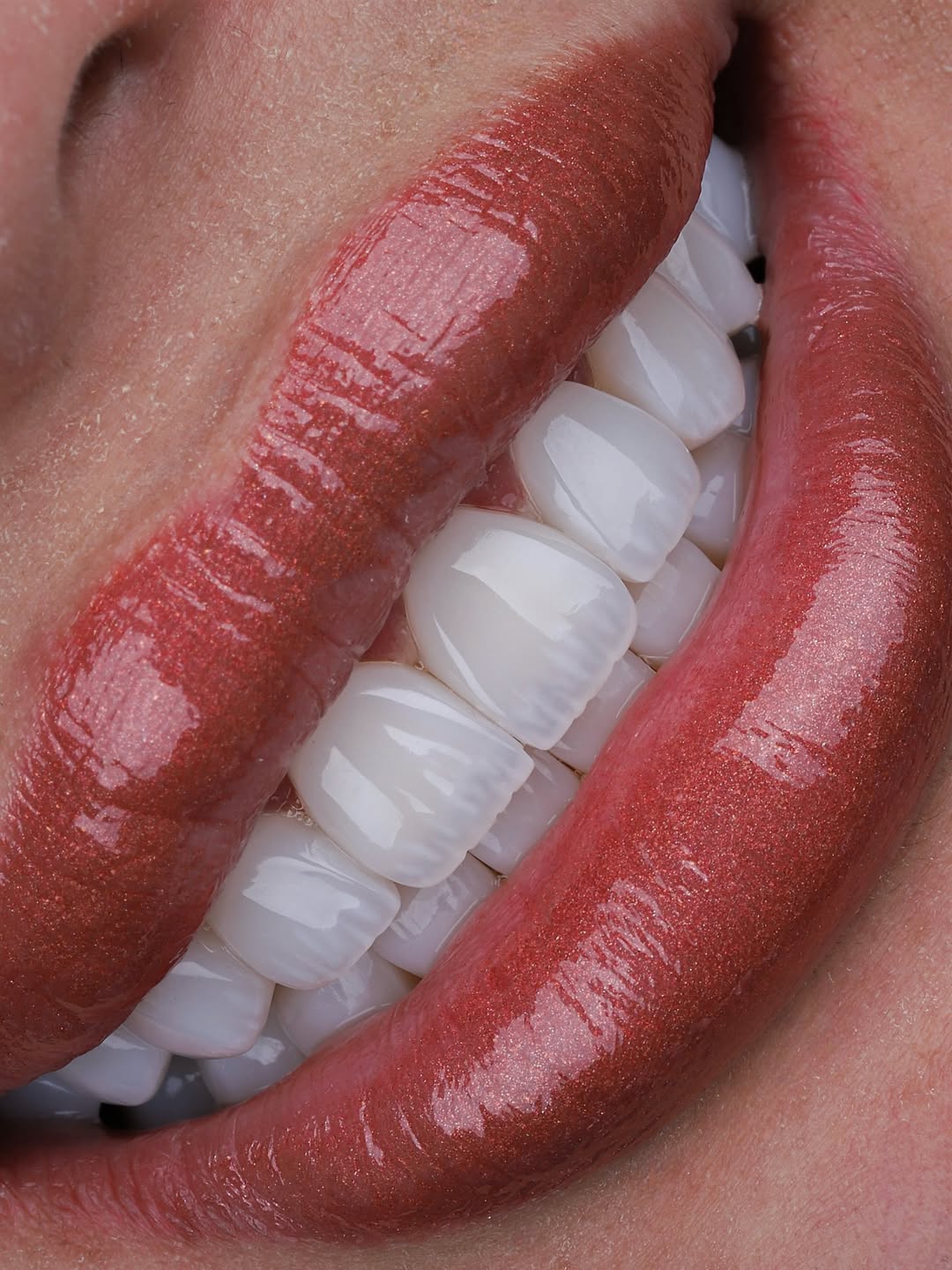
Porcelain veneers are widely regarded as the gold standard in cosmetic dentistry. The ceramic material is very hard, smooth, and durable — it does not stain or lose its colour over time. Composite resin, in contrast, is less durable and more prone to chipping, staining, and general wear, although it offers the advantage of being repairable chairside rather than requiring a full replacement.
Can Veneers Last a Lifetime With Professional Dental Care?
Truly lifetime-lasting veneers remain uncommon, but exceptional cases do exist. The longevity of veneers is excellent when bonded entirely to enamel, meaning patients who still have a healthy enamel layer provide the best foundation. Some clinics offer lifetime warranties on premium ceramic options, but these are subject to strict compliance with maintenance protocols and are typically tied to continued care within the same practice. For most patients, planning for at least one replacement cycle over a lifetime is realistic.
Factors That Affect Veneer Lifespan
What Factors Most Affect the Lifespan of Dental Veneers?
Several interconnected factors determine how long veneers last:
Get your veneers in Colombia for up to 70% less.
In the US, 20 porcelain veneers run $30,000–$50,000. With Dr. Yazmin in Medellin, it's $6,900, all-inclusive.
Individual patient experience. Prices, inclusions and results are confirmed after a clinical evaluation. A full evaluation is required before any treatment.
- Material quality — Modern ceramics like lithium disilicate (IPS e.max, 360 MPa strength) and zirconia-reinforced ceramics (370–420 MPa) offer significantly better durability than older feldspathic porcelain
- Bonding technique — Enamel-only preparation and proper adhesive bonding increase strength and lifespan significantly
- Teeth grinding (bruxism) — Clenching and grinding exerts excessive force on veneers, accelerating wear or causing fractures
- Oral hygiene consistency — Gum disease and decay at veneer margins are leading causes of early failure
- Dietary habits — Hard foods, acidic beverages, and staining drinks all degrade veneers over time
- Dentist skill and experience — Custom fit, shade matching, and precise bonding directly influence how well veneers hold
- Patient compliance — Attending follow-up appointments allows early detection of issues before they escalate
Does Veneer Material Impact How Long They Last?
Yes — material is one of the most critical variables in veneer longevity. Contemporary ceramic systems have raised the bar considerably:
- IPS e.max (Lithium Disilicate): Flexural strength of ~360 MPa; highly aesthetic and durable; considered the current clinical benchmark for anterior veneers
- Zirconia-reinforced ceramics: Flexural strength of 370–420 MPa; superior for patients with heavy bite forces
- IPS Empress (Leucite-based): A classic aesthetic ceramic with ~160 MPa resistance; excellent translucency but lower strength than e.max
- Composite resin: Lowest durability among veneer materials; more flexible but less resistant to wear and staining
What Foods and Drinks Shorten Veneer Lifespan?
Certain dietary choices accelerate veneer degradation and should be limited:
- Staining agents: Coffee, red wine, tea, and deeply pigmented berries can discolor the bonding edges over time
- Hard foods: Ice, hard candies, almonds, popcorn kernels, and crusty bread can chip or fracture veneers
- Acidic foods and drinks: Citrus juices and sodas can erode bonding adhesives at the veneer margins
- Using teeth as tools: Opening packages, biting nails, or chewing pens places non-functional stress on veneers
A simple protective habit: rinse with water immediately after consuming staining or acidic foods to reduce surface contact time.
Signs That Veneers Need Replacement
Watch for these five warning indicators that veneers may need replacing:
- Chips or visible cracks — Even small fractures compromise both aesthetics and structural integrity
- Gum recession or gaps — If gums pull back, a visible gap or dark line appears at the veneer margin; this may also signal gum disease
- Discoloration or staining — Porcelain cannot be whitened like natural teeth; persistent stains that don’t respond to brushing signal replacement time
- Loosening or separation — A veneer starting to detach from the underlying tooth typically means the bonding has failed or the supporting tooth has decayed
- Discomfort or bite changes — If veneers feel uncomfortable, affect speech, or your bite has shifted, consult your dentist immediately
Maintenance and Daily Care
How Can I Extend the Durability of My Veneers?
The most effective way to extend veneer life is to treat them like natural teeth — but with some additional considerations:
- Brush twice daily with a soft-bristled toothbrush and non-abrasive toothpaste
- Floss daily to prevent gum inflammation and plaque buildup at veneer margins
- Wear a custom nightguard if you grind your teeth (bruxism) — this is one of the highest-impact protective measures available
- Wear a sports mouthguard during contact sports to prevent impact damage
- Avoid using teeth as tools — no opening packages, cracking shells, or biting nails
- Limit hard, crunchy, and staining foods — when eating harder foods, chew with your back teeth when possible
- Schedule professional cleanings every 6 months to allow early detection of wear or bonding issues
Best Daily Care Routine for Extending Veneer Life
A consistent daily routine makes a measurable difference in veneer longevity:
| Time | Action |
|---|---|
| Morning | Brush gently with soft-bristled brush + non-abrasive/fluoride toothpaste |
| After meals | Rinse with water to clear staining foods and acids |
| Evening | Floss around all veneer margins; brush again before bed |
| Nightly (if prescribed) | Wear custom nightguard |
| Weekly | Use alcohol-free fluoride mouthwash to protect tooth structure behind veneers |
What Are the Best Maintenance Products for Prolonging Veneer Life?
Product selection matters because some common dental products are harmful to veneers:
- ✅ Soft-bristled toothbrush — prevents micro-abrasions on porcelain surfaces
- ✅ Non-abrasive toothpaste — whitening toothpastes with harsh abrasives scratch the veneer surface, dulling its gloss
- ✅ Fluoride toothpaste — protects the natural tooth structure behind the veneer and reduces decay risk at the margins
- ✅ Alcohol-free mouthwash — high-alcohol rinses can gradually weaken the bonding adhesive holding veneers in place
- ✅ Custom nightguard — prescribed by your dentist; far more protective than over-the-counter alternatives
- ❌ Whitening strips or gels — ineffective on porcelain and can damage bonding material
- ❌ Abrasive whitening toothpastes — scratch veneer surfaces and reduce their natural sheen
How Often Should I Schedule Check-Ups to Ensure Veneers Last Longer?
Most dental professionals recommend every 6 months for cleanings and check-ups. During these visits, hygienists trained in cosmetic dental care will use appropriate instruments that clean around veneers safely without risking surface damage. An annual comprehensive examination allows your dentist to assess veneer integrity, bonding condition, and gum health — catching early problems before they require full replacement.
Materials and Brands
Are There Specific Veneer Brands Known for Better Longevity?
Yes. Several ceramic systems have earned strong reputations in cosmetic dentistry for their combination of aesthetics and durability:
IPS e.max by Ivoclar Vivadent is widely considered the current clinical gold standard for porcelain veneers, offering a balance of high strength, superior translucency, and natural-looking aesthetics that closely mimic real tooth structure. The brand and material used should always be discussed with your cosmetic dentist — a skilled clinician paired with premium materials is the best combination for long-term results.
Costs, Financing, and Warranties
Cost Comparison of Veneer Options by Lifespan and Durability
While composite veneers have a lower upfront cost, their shorter lifespan means two to three replacement cycles over 15 years, making total expenditure comparable to or exceeding that of porcelain. Porcelain veneers cost more upfront but often prove more cost-effective over time. Nationally, the average cost for a single veneer is approximately $1,765, with ranges between $500 and $2,895 depending on geography and dentist experience.
Full-set pricing for a complete smile makeover (10–12 veneers) in the US can range from $10,000 to $30,000 for porcelain, making financing options essential for many patients.
Do Insurance Plans in the US Cover Veneer Replacement If They Fail Early?
In most cases, no — dental insurance in the US typically classifies veneers as a cosmetic procedure, meaning they receive 0% coverage under standard plans. The sole exceptions are situations where a veneer is deemed medically necessary — for example, to restore tooth function following trauma or to address a structural enamel defect. In those cases, PPO plans may cover up to 50% of costs, though documentation and pre-authorization are essential.
Key considerations for insurance and veneers in the US:
- Medicare and Medicaid generally do not cover veneers
- Some Medicare Advantage plans may offer limited cosmetic benefits
- HSA/FSA funds may be applicable in medically necessary cases — verify with your plan provider
- Delta Dental and some group employer plans may include veneer provisions — always request a pre-treatment estimate
Are There Financing Options Available for Premium Veneer Treatments?
Yes — several accessible financing paths exist for patients without insurance coverage:
- CareCredit: A healthcare-specific credit card accepted at over 285,000 provider locations nationwide; offers promotional interest-free financing for up to 24 months, provided the balance is paid within the promotional period
- In-house dental payment plans: Many cosmetic dentistry practices offer flexible monthly payment arrangements directly through the office
- Dental loans: Specialized medical financing companies (e.g., LendingClub, Ally Lending) provide personal loans for elective procedures
- Dental schools: University-affiliated dental programs often provide cosmetic veneer work at significantly reduced cost under supervision
CareCredit is one of the most widely used options — patients can apply online or in the dental office and receive credit decisions within minutes.
Is There a Warranty for Veneer Lifespan From Providers?
Warranty coverage varies significantly by clinic and country, but the practice of offering guarantees on cosmetic restorations is becoming increasingly common:
- US practices: Warranty terms differ widely; some practices (like Shipley’s Dental Care) cover crowns and bridges under a 5-year warranty for material or workmanship defects; dedicated veneer warranties of 1–3 years are more typical
- International dental clinics: The industry standard in markets like Mexico is 3–5 years on crowns and veneers
- Premium clinics: Some high-end providers offer 5–15 year warranties, and the most premium ceramic cases may include lifetime coverage under specific conditions
Standard warranty exclusions that patients should be aware of include: damage from bruxism, poor oral hygiene, missed recall appointments, trauma/accidents, and modification of work by another dentist. To maintain warranty eligibility, always follow post-care instructions and attend all scheduled follow-up visits.
Finding Providers
Which Dental Clinics Offer Long-Lasting Veneer Options?
Finding a reputable provider requires evaluating more than just proximity. Key indicators of quality include:
- Board-certified cosmetic dentists or members of the American Academy of Cosmetic Dentistry (AACD)
- Clinics that offer before/after smile portfolios with documented long-term cases
- Practices using premium materials (IPS e.max, zirconia-based ceramics) with smile design steps technology
- Offices with dental hygienists trained in cosmetic restoration care
Major US metropolitan areas — New York, Los Angeles, Beverly Hills, Dallas, Miami — host many top-tier cosmetic dentistry practices. For budget-conscious patients, accredited dental schools affiliated with universities are a credible lower-cost alternative.
Finding a Cosmetic Dentist Specializing in Durable Veneers
The best sources for finding a qualified cosmetic veneer specialist include:
- AACD Member Finder (aacd.com) — directory of accredited cosmetic dental professionals in the US
- Google Reviews and Yelp — look specifically for long-term reviews mentioning veneer durability (3–5+ year follow-ups)
- RealSelf (realself.com) — platform with patient reviews for cosmetic procedures including dental veneers
- Zocdoc — filter by specialty (cosmetic dentistry) and insurance accepted
- Word-of-mouth referrals — patients who have had veneers for 10+ years are the most valuable testimony to durability
Always schedule a consultation before committing, review example cases, and ask specifically about materials used, bonding protocols, and warranty terms offered.
Frequently Asked Questions
Cluster 1 — Lifespan
How long do dental veneers typically last with proper care?With proper care, porcelain veneers last 10 to 15 years on average, and in some well-maintained cases up to 20 years or more. Composite veneers typically last 5 to 7 years, with a maximum of around 10 years under ideal conditions. The critical variables are bonding to enamel, material quality, and consistent daily hygiene.
What is the average lifespan of porcelain veneers compared to composite veneers?Porcelain veneers average 10–15+ years with approximately 95% survival at the 10-year mark. Composite veneers average 5–7 years due to lower resistance to wear, chipping, and staining.
Can veneers last a lifetime with professional dental care?While some patients have veneers lasting nearly 25 years, true “lifetime” durability is rare. The probability increases when veneers are bonded entirely to enamel, made from premium lithium disilicate or zirconia ceramics, and cared for consistently. Planning for eventual replacement is prudent even with the best care.
Cluster 2 — Longevity Factors
What factors affect the lifespan of dental veneers?The primary factors are: material type and quality, bonding technique, presence of bruxism (teeth grinding), oral hygiene consistency, dietary habits, and the skill of the placing dentist. Bonding veneers to enamel (rather than dentin) significantly increases longevity.
Does veneer material impact how long they last?Absolutely. Premium ceramics like IPS e.max lithium disilicate (~360 MPa) and zirconia-reinforced ceramics (370–420 MPa) outperform standard feldspathic porcelain and composite resin by a meaningful margin. Composite resin has the shortest lifespan of all current veneer materials.
What foods and drinks shorten veneer lifespan?Coffee, red wine, tea, and darkly pigmented foods stain bonding edges over time. Hard foods like ice, hard candy, popcorn kernels, and nuts can chip porcelain. Acidic drinks erode bonding adhesive at veneer margins.
What are the signs that veneers need replacement?The five key warning signs are: visible chips or cracks, gum recession causing visible gaps, persistent staining that won’t brush away, loosening or detachment, and discomfort or bite changes.
Cluster 3 — Maintenance
How can I extend the durability of my veneers?Brush twice daily with a soft-bristled toothbrush and non-abrasive toothpaste, floss daily, wear a nightguard if you grind your teeth, avoid hard and staining foods, and attend professional cleanings every 6 months.
Best daily care routine for extending veneer life?Brush gently in the morning, rinse after meals, floss at night before brushing, and wear your nightguard if prescribed. Use alcohol-free mouthwash to avoid weakening the bonding adhesive.
What are the best maintenance products for prolonging veneer life?Use a soft-bristled toothbrush, non-abrasive fluoride toothpaste, alcohol-free mouthwash, and a custom-fitted nightguard. Avoid whitening toothpastes with abrasives and all-purpose whitening strips, which are ineffective on porcelain and can damage adhesive bonds.
How often should I schedule check-ups to ensure veneers last longer?Every 6 months for professional cleanings, and at least annually for a comprehensive examination. Trained hygienists use appropriate instruments to clean around veneers safely while maintaining their polished surface.
Cluster 4 — Materials & Brands
Are there specific veneer brands known for better longevity?IPS e.max by Ivoclar Vivadent (lithium disilicate) is the current clinical gold standard, offering ~360 MPa flexural strength with natural aesthetics. Zirconia-reinforced systems deliver up to 420 MPa strength and are ideal for patients with high bite forces. IPS Empress offers excellent translucency but lower strength (~160 MPa). The brand matters less than the combination of quality material + skilled clinician + proper bonding technique.
Cluster 5 — Costs, Coverage & Financing
Cost comparison of veneer options by lifespan and durabilityComposite veneers cost $250–$1,500 per tooth but may need 2–3 replacements over 15 years. Standard porcelain veneers run $900–$2,500 per tooth with a 10–15 year lifespan. Premium porcelain (e.max/zirconia) costs $1,500–$3,000 per tooth but can last 15–20+ years, often making them the most cost-effective option long-term.
Do insurance plans in the US cover veneer replacement if they fail early?Generally no — veneers are classified as cosmetic by most US dental insurance plans, resulting in 0% coverage in the majority of cases. The exception is medically necessary veneers (e.g., post-trauma restoration), where PPO plans may cover up to 50% with proper documentation and pre-authorization.
Are there financing options available for premium veneer treatments?Yes. CareCredit offers interest-free financing for up to 24 months and is accepted at over 285,000 healthcare providers nationally. Many dental offices also offer in-house payment plans. Accredited dental school programs can reduce costs significantly for qualifying patients.
Cluster 6 — Providers
Which dental clinics offer long-lasting veneer options near me?Use the AACD Member Finder to locate accredited cosmetic dentists in your area. Prioritize practices that use IPS e.max or zirconia materials, offer digital smile design, and show documented before/after portfolios with long-term case follow-ups.
Finding a cosmetic dentist specializing in durable veneersSearch the American Academy of Cosmetic Dentistry (AACD) directory, RealSelf for patient reviews, or Zocdoc for specialty filters. Always ask prospective dentists about the specific veneer material they use, their bonding technique, and the warranty they offer before committing to treatment.
Authority & Trust
Are there specific veneer brands known for better longevity?IPS e.max (Ivoclar Vivadent) is the most widely cited premium brand among cosmetic dentists for its combination of strength (~360 MPa), aesthetics, and long-term survival data. Zirconia-reinforced systems like VITA Suprinity offer even higher strength for demanding cases. Selecting a brand is a decision best made in consultation with an experienced cosmetic dentist who can match material to your specific clinical and aesthetic needs.
Is there a warranty for veneer lifespan from providers?Yes — warranty terms vary by clinic. In the US, warranties on cosmetic dental work typically range from 1–5 years. International clinics in markets like Mexico offer 3–5 years on veneers as the industry standard. Premium clinics offering top-tier ceramics may provide warranties of 5–15 years, with some extending lifetime guarantees under strict conditions. Warranty validity depends on patient compliance: consistent hygiene, regular check-up attendance, and no unauthorized modifications by another provider.
Dental Veneer Sources
- How Long Do Veneers Last
- Research: Porcelain Veneers Durability
- The Lifespan of Dental Veneers: How Long Do They Really Last
- How Long Do Veneers Last? Porcelain and Composite Veneers
- Porcelain Veneers vs Composite Veneers: Which is Best for You?
- Composite vs. Porcelain Veneers: Which is Best for Your Smile?
- How to Care for Veneers: Tips for a Long-Lasting Smile
- Porcelain vs. Composite Veneers: A Comparison
- Dental Veneer Maintenance Tips to Keep Your Smile Looking Fresh
- What Are the Best Ways to Take Good Care of Dental Veneers?
- Practicing Proper Daily Maintenance Tips for Porcelain Veneers
- Tips for Proper Maintenance of Dental Veneers
- Empress vs eMax
- Empress – Emax
- IPS Empress Veneers
- How Much Do Veneers Cost? Pricing and Coverage Guide
- Veneers: Cost and Insurance Coverage
- Does Dental Insurance Cover Veneers?
- Dental Credit Card and Dental Financing Options
- CareCredit: Up to 24 Months Interest-Free Dental Financing
- Dental Treatment Warranty
- Dental Work Warranty in Mexico
- How to Know When My Porcelain Veneers Need to Be Replaced
- Recognizing 5 Signs for Veneer Replacement
- 5 Ways to Tell Your Veneers Need to Be Replaced
- American Academy of Cosmetic Dentistry
- RealSelf
- Zocdoc