Overview
If you’ve been searching for an affordable way to get a stunning smile, you’ve likely stumbled across the same jaw-dropping numbers: veneers in Colombia can cost as little as $200–$500 per tooth — compared to $1,000–$2,500 per tooth in the United States. That’s a potential saving of up to 70%, all while receiving treatment from internationally trained dentists using the same premium materials found in US clinics.
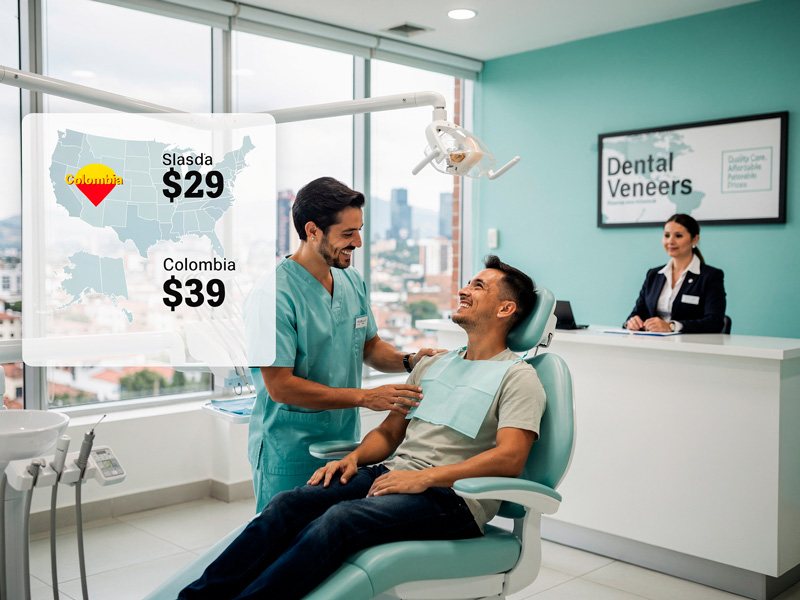
The same veneers cost up to 70% less in Colombia.
See if you qualify Free video call in English · on WhatsAppIndividual patient experience. Results and pricing are confirmed after a clinical evaluation.
But why exactly are veneers cheaper in Colombia? Is it really safe? And how do you plan a successful dental trip? This pillar guide answers every question you have — backed by real pricing data, expert insight, and practical tips for 2026.
What Are Dental Veneers?
Dental veneers are thin, custom-made shells bonded to the front surface of teeth to correct cosmetic imperfections such as staining, chips, gaps, or minor misalignment. Think of them as a permanent makeover for your smile — one that can last a decade or more with the right care.
There are two main types:
- Porcelain veneers: The gold standard in cosmetic dentistry. Made from high-grade ceramic (brands like IPS e.max are widely used), they are highly resistant to staining, remarkably natural-looking, and durable for 10–15 years or longer.
- Composite veneers: Made from resin, these are more affordable and can often be applied in a single appointment. They typically last 5–7 years and are ideal for patients seeking a quicker, budget-friendly option.
Both types are widely offered at Colombian dental clinics at a fraction of the price charged in the US, Canada, or Europe.
Veneers in Colombia vs. USA: Price Comparison (2026)
The price gap between Colombia and the US is striking. Below is a breakdown using 2025–2026 data:
The same veneers in Colombia cost up to 70% less.
In the US, 20 porcelain veneers run $30,000–$50,000. With Dr. Yazmin in Medellin, it's $7,000, all-inclusive.
Individual patient experience. Prices, inclusions and results are confirmed after a clinical evaluation. A full evaluation is required before any treatment.
| Treatment | Colombia (USD) | United States (USD) | Savings |
|---|---|---|---|
| Composite veneer (per tooth) | $80–$250 | $400–$1,500 | 60–75% |
| Porcelain veneer (per tooth) | $200–$500 | $1,000–$2,500 | 65–80% |
| 10 porcelain veneers (full smile) | $4,600 | $10,000–$25,000 | ~60–70% |
| 20 porcelain veneers (full set) | $7,500–$8,000 | $30,000–$50,000 | ~70% |
| 20 composite veneers (full set) | $4,500 | $15,000–$30,000 | ~70% |
Even after accounting for round-trip flights ($250–$600 from many US cities) and accommodation, patients routinely save thousands of dollars.
Why Are Veneers Cheaper in Colombia? 7 Key Reasons
Colombia’s low veneer prices are not a signal of inferior quality — they are the result of structural economic and operational factors that benefit patients directly. Here are the seven most important reasons:
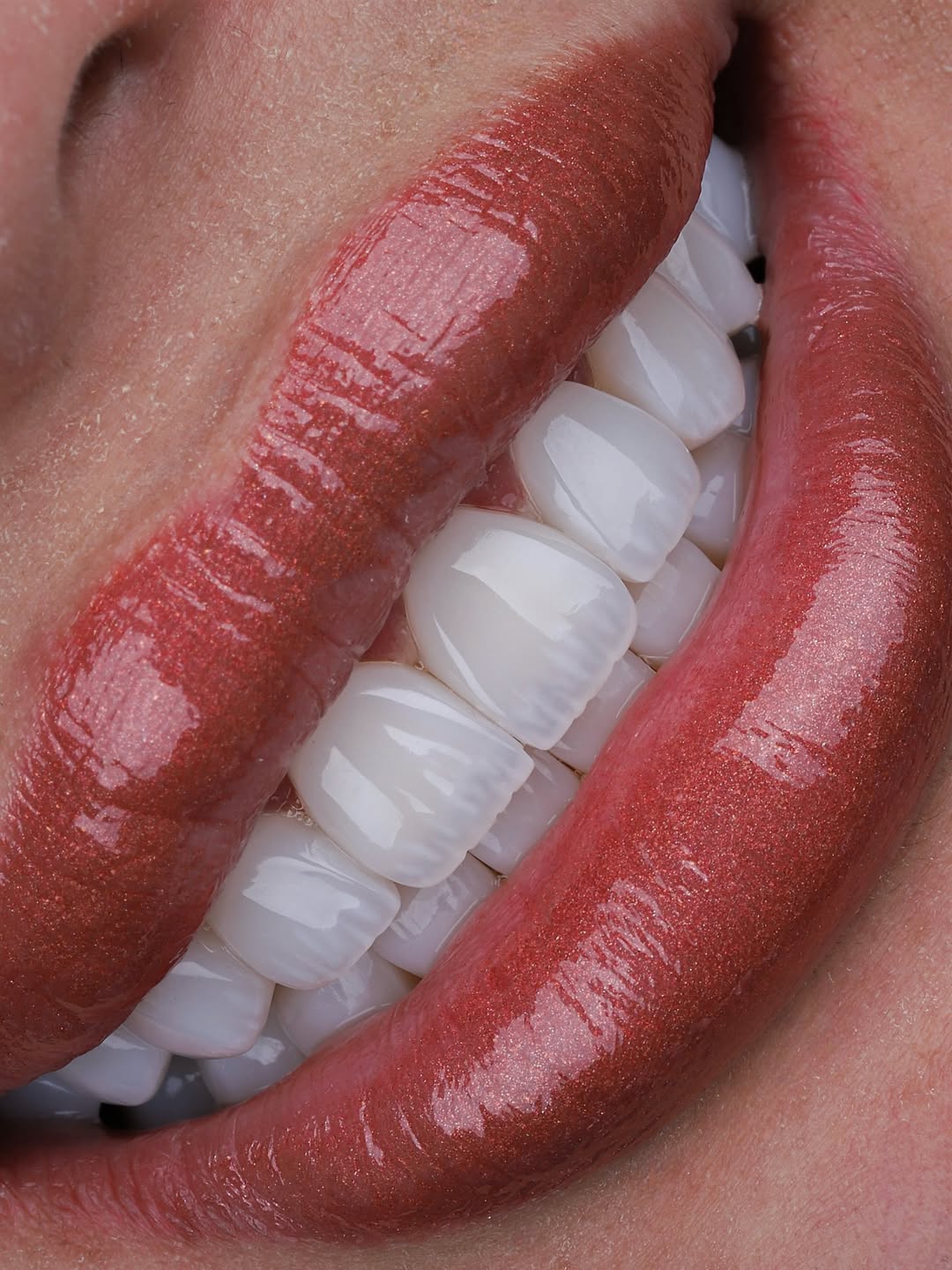
With state-of-the-art 3D scanning and digital smile design, the precision of veneers Colombia is absolutely world-class.
1. Lower Cost of Living and Overhead
Colombia’s cost of living is significantly lower than in the US. Dental clinics spend far less on commercial rent, utilities, staff salaries, and laboratory fees than their American counterparts. These savings are passed directly to patients without any compromise in the materials or technology used.
2. Favorable Exchange Rate
The US dollar has strong purchasing power in Colombia. Every dollar you bring stretches much further here — meaning world-class dental care that would cost a premium in New York or Miami becomes highly accessible in Bogotá or Medellín.
3. Lower Labor Costs (Not Lower Skill)
Labor in Colombia costs a fraction of what it does in North America, but this does not reflect the quality of education or expertise. Colombian dentists complete a rigorous five-year dental program at accredited universities, followed by one year of mandatory social service. Many specialists also hold postgraduate degrees from programs internationally recognized by bodies such as the WHO.
4. No Crushing Insurance Overhead
In the United States, dental practices carry enormous administrative costs tied to insurance billing, compliance, and liability. In Colombia, clinics operate with streamlined administrative structures, reducing overhead dramatically. Additionally, cosmetic procedures like veneers are not covered by US dental insurance, meaning American patients pay full out-of-pocket prices anyway.
5. Competitive Dental Tourism Market
Colombia has become one of Latin America’s premier dental tourism destinations, with clinics actively competing for international patients. This competitive pressure drives quality up and prices down — clinics offer package deals, bilingual staff, airport transfers, and all-inclusive pricing to attract foreign patients.
6. In-House Dental Labs
Many Colombian clinics operate their own on-site dental laboratories or work exclusively with nearby labs that prioritize international dental tourism cases. This dramatically reduces turnaround time and lab fees. What might take weeks in the US can be completed in 2–7 days in Colombia, reducing the length of your stay and lowering overall costs.
7. Government Support for Medical Tourism
The Colombian government has actively promoted medical and dental tourism as part of its broader healthcare economy strategy. Supportive policies, investment in healthcare infrastructure, and international accreditation programs have helped clinics meet global standards while keeping prices competitive.
Are Colombian Dentists Qualified?
Yes — this is one of the most common concerns and one of the easiest to put to rest.
Colombian dental education is rigorous and internationally recognized. Students complete five full years of university-level study, covering clinical practice, research, and specialized training, before completing a mandatory year of community service. Top universities such as Universidad del Valle, Universidad CES in Medellín, and UNICIEO in Bogotá offer accredited programs with state-of-the-art clinical facilities.
Many cosmetic dentists in Colombian dental tourism hubs have also completed international fellowships, Master’s degrees, and specialized postgraduate programs in cosmetic and restorative dentistry. Clinics in Medellín, Bogotá, Cali, and Cartagena routinely treat patients from the US, Canada, and Europe and are accustomed to international standards of care.
Leading dental tourism specialist Dr. Juan Manuel Breton explained it directly: “Dentistry in other countries is very expensive, and here in Colombia, patients can access top-quality dental treatments at more cost-friendly rates.”
Same Materials, Lower Price: The Quality Equation
A critical point that many patients miss: Colombian clinics use the same high-end materials as US clinics.
Top practices in Medellín and Bogotá regularly work with:
- IPS e.max lithium disilicate porcelain — the same premium ceramic used by leading US cosmetic dentists
- Zirconia veneers for maximum strength and translucency
- 3M composite resins for same-day composite veneers
- Advanced digital smile design (DSD) technology and 3D imaging (CBCT) for precision treatment planning
The reason prices are lower is not because clinics are cutting corners on materials — it is because the entire cost structure of running a dental practice in Colombia is fundamentally different from the US.
Best Cities in Colombia for Dental Veneers
Colombia offers excellent dental care in several major cities, each with its own appeal for dental tourists:
Medellín
Known as the “City of Eternal Spring,” Medellín is arguably Colombia’s top destination for dental tourism. The city boasts a high concentration of cosmetic dental specialists, modern clinics in the upscale El Poblado neighborhood, and a pleasant year-round climate. With 45+ verified clinics and thousands of international patient reviews, Medellín has built a strong global reputation.
Top dentists: Dr. Camilo Aguirre (33+ years of experience), Dr. Johana Ossa
Bogotá
The capital offers the widest selection of high-end clinics and specialists, particularly for complex full-mouth rehabilitations. International patients appreciate Bogotá’s world-class hospital infrastructure, cultural attractions, and direct flight connections from major US cities.
Top dentist: Dr. Liliana Porras
Cartagena
For patients who want to combine dental work with a Caribbean beach vacation, Cartagena is the perfect choice. Treatments are equally excellent, and the Old City UNESCO heritage site provides a spectacular backdrop for recovery time between appointments.
Top dentist: Dr. Julio Oliver
Cali
Often the most affordable of the four main dental tourism cities, Cali is home to experienced cosmetic dentists and is especially popular for smile design work. The city offers a vibrant cultural scene and is home to several highly rated cosmetic practices.
Top dentist: Dr. Juan Fernando Uribe
Porcelain vs. Composite Veneers in Colombia: Which Should You Choose?
| Feature | Porcelain Veneers | Composite Veneers |
|---|---|---|
| Cost in Colombia | $200–$500/tooth | $80–$250/tooth |
| Lifespan | 10–15+ years | 5–7 years |
| Stain resistance | Excellent | Moderate |
| Treatment time | 5–7 days (lab needed) | 1–2 days (same-day possible) |
| Tooth preparation | Minimal enamel removal | Minimal or none |
| Appearance | Highly natural | Very good |
| Best for | Long-term investment | Quick fix or budget option |
Most international dental tourists choose porcelain veneers for their longevity and natural aesthetics. Composite veneers are ideal for those on a tighter budget or needing a faster turnaround.
How Long Does the Veneer Procedure Take in Colombia?
One of Colombia’s major advantages is speed. Because many clinics have in-house labs or priority arrangements with nearby labs, the full timeline is dramatically compressed compared to the US.
For composite veneers:
A complete composite smile makeover (multiple teeth) can be finished in 1–2 days, as each tooth takes approximately 30–60 minutes to treat directly in the chair.
For porcelain veneers:
The process typically unfolds over 5–7 days and involves:
- Consultation, 3D imaging, and smile design planning (Day 1)
- Tooth preparation and impressions (Day 2)
- Placement of temporary veneers while permanents are fabricated (Days 3–5)
- Final placement, bonding, and polishing (Day 6–7)
This compact timeline means most patients can complete their full smile makeover in a single trip of one to two weeks.
How Much Can You Save? A Real Cost Example
Let’s put the numbers in real-world context for a patient from the US getting a 10-tooth porcelain veneer smile makeover in 2026:
| Expense | USA | Colombia |
|---|---|---|
| 10 porcelain veneers | $15,000–$25,000 | $4,600 |
| Round-trip flight (est.) | — | $300–$600 |
| Hotel (7 nights, est.) | — | $500–$800 |
| Estimated total | $15,000–$25,000 | ~$5,500–$6,000 |
| Estimated savings | — | $9,000–$19,000+ |
Even in the most conservative scenario, a patient saves enough to cover several luxury vacations — while enjoying Colombia’s culture, food, and scenery in the process.
Is It Safe to Get Veneers in Colombia?
Safety is a legitimate concern when seeking dental care abroad, and Colombia’s reputable clinics take it seriously.
Leading dental tourism clinics in Colombia adhere to ISO and JCI (Joint Commission International) safety standards, ensuring sterilization protocols, advanced imaging, and internationally sourced materials are all up to par. The Colombian government has invested significantly in healthcare infrastructure and accreditation to support the growing medical tourism sector.
Practical safety tips include:
- Verify credentials: Check the dentist’s university degree, postgraduate specializations, and professional memberships before booking.
- Look for real before-and-after photos: Avoid clinics that only use stock images.
- Confirm technology: Ensure the clinic uses 3D imaging (CBCT) and digital smile design.
- Choose English-speaking clinics: Most major dental tourism practices in Medellín, Bogotá, and Cartagena employ bilingual staff or patient coordinators.
- Read reviews on multiple platforms: Google, RealSelf, and dental tourism directories all offer verified patient feedback.
- Get everything in writing: Treatment plan, materials used, warranties, and aftercare instructions.
Most reputable clinics also offer warranties on porcelain veneers, giving international patients additional peace of mind.
Planning Your Dental Trip to Colombia: Step-by-Step
Ready to book? Here is a practical checklist to get started:
Before You Travel:
- Research and shortlist 2–3 clinics specializing in cosmetic veneers
- Schedule virtual consultations via WhatsApp or email
- Send dental photos, X-rays, and your dental history for remote evaluation
- Confirm the full treatment plan, timeline, and total cost in writing
- Book flights to Medellín (MDE), Bogotá (BOG), Cali (CLO), or Cartagena (CTG)
- Arrange accommodation close to your chosen clinic (El Poblado in Medellín is ideal for most clinics)
During Your Trip:
- Arrive at least one day early to settle in before your first appointment
- Attend your consultation, imaging, and smile design session
- Follow all pre- and post-procedure care instructions carefully
- Enjoy Colombia between appointments — culture, coffee, and cuisine are exceptional
After You Return Home:
- Schedule a local dental check-up within 30 days
- Keep your Colombian clinic’s contact information for remote follow-ups
- Maintain regular brushing, flossing, and avoid habits that stress veneers (grinding, biting nails)
With proper care, your porcelain veneers can last 10–20 years.
Frequently Asked Questions About Veneers in Colombia
Are veneers in Colombia really as good as in the US?
Yes. Top clinics use the same IPS e.max porcelain and 3M composite materials found in leading US practices. The difference lies in operational costs, not quality of care.
How much do porcelain veneers cost in Colombia?
Porcelain veneers in Colombia typically cost $200–$500 per tooth (2026 prices), compared to $1,000–$2,500 per tooth in the US — representing savings of up to 70–80%.
How long do veneers last in Colombia?
The lifespan of veneers depends on the material and care — not where they were placed. Porcelain veneers last 10–15 years or more; composite veneers last 5–7 years.
Do I need a visa to travel to Colombia for dental work?
US citizens do not need a visa for stays under 90 days in Colombia.
How many days do I need in Colombia for veneers?
Plan for 3–5 days for composite veneers and 7–10 days for porcelain veneers or full smile design treatments.
Will dentists in Colombia speak English?
Most major dental tourism clinics employ bilingual staff specifically to serve international patients from the US, Canada, and Europe.
What is the best city in Colombia for veneers?
Medellín is widely considered the top city for dental tourism due to its high concentration of cosmetic specialists, modern clinics, and excellent patient reviews. Bogotá, Cali, and Cartagena are also outstanding options.
Can I combine getting veneers with a vacation?
Absolutely. Many patients plan dental vacations combining their procedure with exploring Colombia’s cultural and natural attractions. Veneers require minimal recovery time, making sightseeing between appointments easy.
Conclusion: Colombia Is the Smartest Choice for Affordable Veneers
Veneers are cheaper in Colombia for a clear, logical set of reasons: lower cost of living, favorable exchange rates, reduced overhead, in-house labs, and a competitive dental tourism market — none of which compromise the quality of your results. You receive the same premium materials, the same advanced technology, and the same level of cosmetic artistry as you would in a top US clinic, at a fraction of the price.
With savings of up to 70%, highly qualified dentists, and world-class cities to explore, Colombia has earned its place as one of the leading global destinations for dental veneers. Whether you’re considering a subtle touch-up or a complete Hollywood smile transformation, the math — and the results — speak for themselves.