
The short answer: There is no single “best” country for dental veneers — the right destination depends on your budget, geographic location, time available, and how much due diligence you are willing to do. However, a shortlist of consistently top-rated destinations includes Turkey, Mexico, Colombia, Hungary, Thailand, and Costa Rica, each excelling in different areas. This guide gives you every data point and decision-making framework you need.
What Are Dental Veneers?
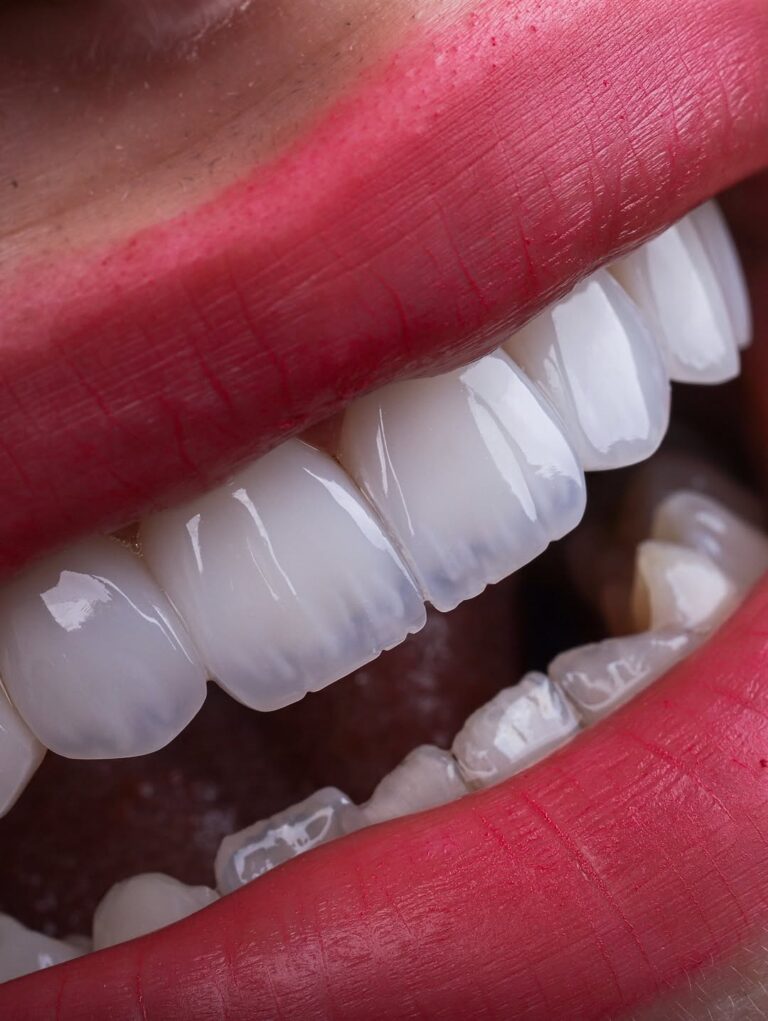
Dental veneers are ultra-thin shells — made from porcelain, composite resin, or ceramic — that are permanently bonded to the front surface of teeth to improve their appearance. They can correct discoloration, chips, minor misalignment, uneven spacing, and worn enamel, creating a dramatic aesthetic transformation commonly called a “smile makeover.”
The same veneers cost up to 70% less in Colombia.
See if you qualify Free video call in English · on WhatsAppIndividual patient experience. Results and pricing are confirmed after a clinical evaluation.
Veneers are an irreversible cosmetic procedure: placing them requires removing a thin layer of enamel (typically 0.3–0.7mm) to allow the shell to sit flush. This means careful planning and choosing the right provider are critically important — mistakes cannot be undone.
If Colombia is on your shortlist, check our detailed cost breakdown for veneers in Colombia to see how prices compare by city and clinic.
Types of Dental Veneers: A Complete Comparison
Choosing the right material is as important as choosing the right country. Here is how the main veneer types compare:
Bottom line on materials: E.max porcelain is widely considered the gold standard for anterior (front) teeth due to its exceptional translucency and durability. Zirconia is preferred for strength but can lack the light-reflecting qualities of E.max. Always ask your clinic to specify the exact brand and material in writing before committing.
Who Is (and Isn’t) a Good Candidate for Veneers?
✅ Good Candidates
- Healthy teeth and gums with no active decay or periodontal disease
- Sufficient enamel remaining on tooth surfaces
- Minor cosmetic concerns: staining, chips, gaps, mild misalignment
- No active bruxism (teeth grinding), or bruxism well-managed with a nightguard
- Realistic expectations about outcome
❌ Who Should Wait or Reconsider
- Active gum disease or tooth decay — these must be treated first
- Severe bruxism — grinding will crack or dislodge veneers
- Insufficient enamel — veneers cannot bond properly
- Severe misalignment — orthodontic treatment should come first
- Extensively damaged teeth — crowns may be more appropriate
- Unrealistic expectations — veneers improve aesthetics, they do not create supernatural perfection
The Veneer Procedure: Step-by-Step
Understanding the process helps you evaluate whether a clinic abroad is rushing it — one of the biggest red flags in dental tourism.
Get your veneers in Colombia for up to 70% less.
In the US, 20 porcelain veneers run $30,000–$50,000. With Dr. Yazmin in Medellin, it's $6,900, all-inclusive.
Individual patient experience. Prices, inclusions and results are confirmed after a clinical evaluation. A full evaluation is required before any treatment.
1. Initial Consultation
Your dentist examines teeth, takes X-rays, discusses goals, and assesses candidacy. Digital photos and scans are taken. Remote pre-consultations via photo are standard practice for international patients.
2. Tooth Preparation
A thin layer of enamel (0.3–0.7mm) is removed from the front of each tooth. Local anesthesia is used. This step is irreversible.
The entire process of getting affordable veneers in Colombia is streamlined for international travelers on a tight schedule.
3. Shade Selection
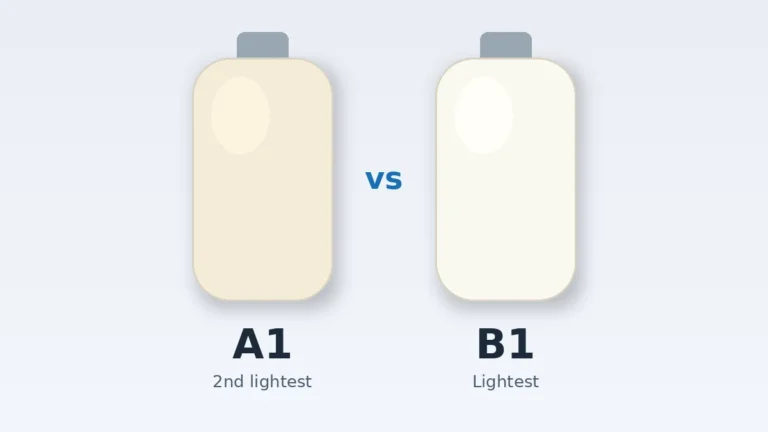
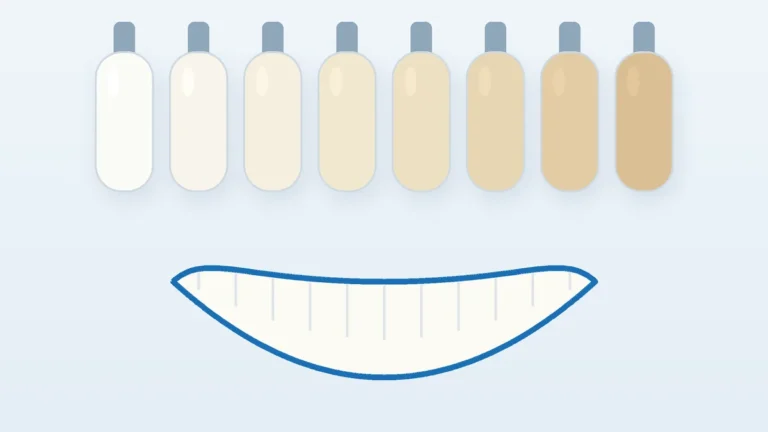
You and your dentist agree on the veneer color to match or improve your natural teeth.
4. Impressions / Digital Scanning
A 3D scan or physical mold captures the exact geometry of your teeth to send to the dental lab.
5. Temporary Veneers
Placed while the permanent veneers are fabricated in the lab (2–4 weeks for porcelain). For dental tourists, clinics often compress this timeline.
6. Bonding
Permanent veneers are tried in, adjusted for fit and bite, then bonded with dental cement and cured with a UV light.
7. Follow-Up
A check-up appointment to assess gum response and bite comfort.
⚠️ Dental Tourism Timing Tip: Do not book a return flight home earlier than 7 days after your first appointment. Rushing this process is one of the most common sources of poor outcomes abroad.
Global Veneer Pricing: Country-by-Country Breakdown
The cost difference between Western countries and dental tourism destinations is substantial — often 60–80% savings.
Important: Always factor in total trip cost — flights, accommodation, meals, and potential follow-up visits — before declaring a destination “the cheapest.”
The Top Countries for Veneers: In-Depth Profiles
🇹🇷 Turkey — The High-Volume Global Hub
Turkey has become the world’s most recognized dental tourism destination, particularly for smile makeovers. Cities like Istanbul, Antalya, and Izmir host hundreds of internationally oriented clinics with modern equipment, English-speaking staff, and competitive pricing.
Strengths:
- Highly competitive pricing ($200–$550/tooth for porcelain)
- Large ecosystem of experienced cosmetic dental clinics
- Many clinics hold JCI accreditation or Turkish Ministry of Health certification
- Full smile makeovers can be completed in 5–7 days
Risks to Consider:
- The “Turkey Teeth” phenomenon: a documented trend of over-preparation — grinding healthy teeth into stubs to place 16–24 crowns (not true veneers) when 8–10 veneers would suffice
- High patient volume can create incentives for rushed procedures
- Language barriers may impact informed consent
- No legal recourse for international patients if outcomes are poor
- Prices that seem exceptionally low (below $90–$150) often indicate inferior materials or techniques
Verdict: Turkey is excellent for budget-conscious patients who do thorough research, verify JCI accreditation, and choose clinics with documented before-and-after portfolios. Not recommended for patients who cannot stay long enough for proper follow-up.
🇲🇽 Mexico — The North American Choice
Mexico is the default dental tourism destination for Americans and Canadians, largely due to proximity and the ease of border-city clinics (Tijuana, Los Algodones, Monterrey). It offers strong savings with relatively easy follow-up access.
Strengths:
- Porcelain veneers at $300–$600/tooth
- Short travel distance for US and Canadian patients
- Large number of US-trained or US-board-certified dentists
- Strong dental school tradition and professional infrastructure
Risks to Consider:
- Quality varies significantly by city and clinic — border towns have widely varying standards
- Some clinics cater to volume rather than individualized care
- Research clinics carefully; verify dentist credentials independently
Verdict: Mexico remains one of the most reliable dental tourism choices for North Americans, offering the best balance of savings, proximity, and follow-up access. Patients in the western/southwestern USA can drive to reputable clinics.
🇨🇴 Colombia — The Emerging Quality Leader in Latin America
Colombia has rapidly positioned itself as one of the most compelling dental tourism destinations in the Americas. Cities like Medellín, Bogotá, Cali, and Cartagena have seen significant investment in high-end dental infrastructure.
Pricing (2026):
- Cali: $250–$400/tooth
- Medellín: $300–$500/tooth
- Bogotá / Cartagena: $350–$550/tooth
- Full set of 20 porcelain veneers: approximately $4,300–$8,000
Strengths:
- Significantly lower prices than the US while using premium materials (E.max, IPS)
- Many Colombian dentists hold postgraduate training from US, European, and Brazilian institutions
- Growing reputation for conservative, quality-focused cosmetic dentistry
- Excellent tourist infrastructure: Medellín and Bogotá are world-class cities
- Treatment often completed in 3–5 days
- Lower risk of over-preparation compared to some Turkish clinics
Risks to Consider:
- Quality varies by city and clinic — as in any country, independent verification is essential
- Some clinics offer “faster chairside work” rather than true laboratory-fabricated porcelain veneers — always clarify
- Proximity works well for Latin American travelers; long-haul flights from Europe/Asia add cost
Verdict: Colombia offers an excellent value proposition — premium materials, well-trained dentists, and savings of up to 70% compared to US prices. It is particularly well-suited for South American, Caribbean, and North American patients seeking a balance between quality and cost. Not the absolute cheapest, but the quality-to-price ratio is among the best globally.
🇭🇺 Hungary — Europe’s Premier Dental Destination
Hungary has been treating dental tourists from across Western Europe for decades, building a reputation for quality that rivals domestic European clinics at a fraction of the price.
Strengths:
- Porcelain veneers at approximately $280–$480/tooth
- Dentists trained to EU standards with German, Austrian, and UK patient bases
- Strong regulatory environment — EU consumer protections apply
- Excellent follow-up access for European patients
- Budapest is a major tourist destination with excellent infrastructure
Risks to Consider:
- Less accessible for non-European patients due to travel distance
- Prices, while affordable for Europeans, are higher than Turkey or Asia
Verdict: Hungary is the safest choice for Western European patients. The regulatory framework, cultural familiarity, and proximity make it the lowest-risk dental tourism option on the continent.
🇹🇭 Thailand — Asia’s Cosmetic Dental Powerhouse
Thailand has been a medical tourism pioneer for decades, and its dental infrastructure reflects that investment. Bangkok-based clinics like Bumrungrad-affiliated dental centers operate at world-class standards.
Strengths:
- Porcelain veneers at $300–$500/tooth
- JCI-accredited hospitals with integrated dental departments
- Strong experience with international patients
- An exceptional tourism destination to pair with treatment
Risks to Consider:
- Long-haul travel from Europe and the Americas adds significant cost
- Follow-up is difficult for most international patients
Verdict: Thailand is an excellent choice for Australian, New Zealand, and Asian-region patients. For Europeans or North Americans, the long-haul flight reduces the net savings.
🇨🇷 Costa Rica — The Underrated Central American Option
Costa Rica punches above its weight in dental tourism, offering a combination of US-trained dentists, a stable regulatory environment, and proximity to North American patients.
Strengths:
- Porcelain veneers at $350–$650/tooth
- Many dentists trained at or board-certified by US institutions
- Politically stable, English widely spoken in clinics
- Easy access from the US East Coast
Risks to Consider:
- Slightly higher prices than Mexico or Colombia
- Smaller dental tourism ecosystem than Turkey or Mexico
Verdict: Costa Rica is an excellent, lower-risk choice for North American patients who prioritize dentist credentials and a stable legal environment over rock-bottom prices.
Country Comparison Matrix
How to Choose and Vet a Dental Clinic Abroad
The clinic you choose matters more than the country. Here is a proven vetting framework:
🟢 Green Flags (What to Look For)
- Lead dentist’s full name, university, and specialization are publicly listed and searchable
- Clinic has a physical, verifiable address on Google Maps Street View
- Specific material brands (E.max, Vita, Ivoclar) are listed — not vague descriptions
- At least 20 before-and-after cases showing consistent, natural-looking results
- Independent reviews on Google, RealSelf, Trustpilot, and dental tourism directories
- Written treatment plan and itemized pricing provided before booking
- Documented aftercare and remote follow-up protocol
- Willing to share a certificate of authenticity for materials used
🔴 Red Flags (Walk Away From)
- Prices far below the local market average for the same material
- Pressure to book quickly or pay deposits before you’ve received a written plan
- Unwilling to share dentist credentials or accreditation documents
- Clinics that communicate exclusively through social media, with no formal website
- Recommending 16–24 veneers when you came in for 8–10
- Promising treatment completion in 2–3 days (porcelain lab work takes 7–14 days minimum)
- No mention of bite assessment or digital planning
Key Questions to Ask Before Booking
- What specific brand and type of porcelain do you use?
- Is the lab work done in-house or outsourced? Where is the lab located?
- How many veneers does the lead dentist place per year?
- What is included if a veneer fails within the first year?
- How do you handle complications for international patients after they return home?
- Can you provide me with full dental records and lab reports after treatment?
Veneer Aftercare: How to Maximize Longevity
Proper aftercare is the single biggest factor in getting the most from your investment, regardless of where you had treatment done.
Daily Care Routine
- Brush twice daily with a soft-bristled toothbrush and non-abrasive toothpaste
- Floss nightly — slide floss, do not snap it upward against the veneer margin
- Use an alcohol-free antibacterial mouthwash
Foods and Habits to Avoid
- Hard foods: ice, hard candy, raw carrots, whole apples (bite into them carefully)
- Heavily staining foods and drinks: coffee, red wine, turmeric, tomato sauce (in excess)
- Nail biting, chewing pens, using teeth as tools
- Smoking — accelerates staining and gum recession
Professional Maintenance
- Schedule dental check-ups every 6 months, including with your local dentist
- If you grind teeth at night, wear a custom-fitted nightguard
- Contact your treating clinic remotely for any concerns within the warranty period
What to Do If a Veneer Falls Off
- Store it in a clean container with moist gauze — do not let it dry out
- Never use household superglue — this permanently contaminates the tooth surface
- Contact your dentist (local or overseas) for rebonding instructions immediately
Veneer Lifespan by Material
Common Misconceptions About Dental Veneers
“Veneers look fake and unnatural.”
This was true of early, thick ceramic veneers. Modern E.max veneers are thin enough to mimic natural enamel translucency. The result quality depends almost entirely on the dentist’s aesthetic judgment and the ceramist’s craftsmanship.
“Turkey is the best country because it’s cheapest.”
Turkey can be an excellent choice, but the cheapest price does not guarantee the best outcome. The country’s popularity has also produced clinics that prioritize volume over conservative, patient-focused treatment. Always verify accreditation.
“Veneers are the same as crowns.”
Veneers cover only the front surface of the tooth and require minimal enamel removal. Crowns cover the entire tooth and require significantly more grinding. Some clinics abroad have been documented placing crowns and calling them veneers — know the difference before consenting to treatment.
“I can get 20 veneers done in 3 days.”
A legitimate porcelain veneer takes 7–14 days in the lab. Clinics promising a full set in 2–3 days are either using pre-fabricated (non-custom) shells or composite material, not custom laboratory-made porcelain.
“Veneers don’t require any special maintenance.”
Veneers require the same diligent oral hygiene as natural teeth, plus additional protection from hard foods, grinding, and staining habits. Neglect will significantly reduce their lifespan.
Frequently Asked Questions
How many veneers do I need for a full smile makeover?
Most smile makeovers treat 8–10 upper front teeth. Some patients choose 16–20 for a more comprehensive result including lower teeth and premolars. Be wary of any clinic recommending significantly more without a clinical justification.
Can I combine dental tourism with a vacation?
Yes — and most patients do. Colombia (Medellín, Cartagena), Turkey (Istanbul, Antalya), and Thailand (Bangkok, Phuket) all offer world-class tourism alongside top-tier dental care. Plan for at least 7–10 days to allow for proper treatment stages.
Will my home dentist be able to help if something goes wrong?
In most cases, yes — any licensed dentist can assess and address veneer issues (rebonding, replacement). This is why keeping your full dental records, lab reports, and material certificates from your overseas clinic is important.
Do veneers hurt?
The procedure is performed under local anesthesia. Some patients experience sensitivity for a few days after enamel preparation, which typically resolves. Properly fitted veneers should not cause ongoing pain.
Are veneers covered by insurance?
In virtually all cases, dental veneers are classified as a cosmetic procedure and are not covered by standard dental insurance. Some premium dental plans may offer partial coverage for teeth with documented structural damage — check your policy.
Final Verdict: Which Country Is Best for YOU?
| Your Situation | Best Country Choice |
|---|---|
| Budget is the top priority, willing to do deep research | Turkey or India |
| North American patient wanting easy follow-up | Mexico or Costa Rica |
| Latin American patient wanting quality + savings | Colombia (Medellín or Cali) |
| European patient wanting EU legal protections | Hungary |
| Australian or New Zealand patient | Thailand |
| Want absolute best quality, budget secondary | USA, UK, or Germany |
| Best overall quality-to-price ratio (Latin America) | Colombia |
| Best overall quality-to-price ratio (globally) | Colombia or Hungary (by region) |
The “best country for veneers” is ultimately the country where you can access a verified, accredited, experienced cosmetic dentist who uses premium materials, follows conservative preparation protocols, and provides a documented aftercare plan — at a price that makes sense for your budget and travel logistics. No country has a monopoly on excellent dentistry, and no destination is risk-free without proper vetting.
Sources Consulted
The following references were consulted to support the article on the best country for dental veneers, including clinical guidance, veneer lifespan data, and international dental tourism comparisons.
-
Clinical Guide
Cleveland Clinic — What Are Dental Veneers?
Overview of veneers, benefits, risks, and general treatment expectations.
Visit source -
Lifespan
Healthline — How Long Do Veneers Last?
Consumer-friendly summary on the durability of porcelain and composite veneers.
Visit source -
Procedure
Penn Dental Family Practice — The Dental Veneering Process
Step-by-step explanation of consultation, preparation, temporaries, and bonding.
Visit source -
Medical Tourism
Medical Travel / Medical Tourism Magazine — Best Dental Veneer Destinations
International overview of countries frequently considered for veneer treatment abroad.
Visit source -
Pricing
Bookimed — Cheap Veneers Abroad
Country-level starting-price comparisons often cited in dental tourism research.
Visit source -
Colombia
SmileJet — Porcelain Veneers Colombia Cost Guide
Pricing references for veneers in Colombian cities such as Medellín and Bogotá.
Visit source -
Vetting Clinics
Smile Dental Center Group — How to Choose a Dental Clinic Abroad
Checklist-oriented guidance for evaluating safety, credentials, and red flags.
Visit source -
Clinical Study
ScienceDirect — 10-Year Evaluation of Ceramic and Composite Veneers
Long-term comparative evidence showing stronger longevity for ceramic veneers.
Visit source -
Longevity Study
Journal PDF — The Longevity of Ceramic Veneers
Clinical evaluation reporting high medium-term survival rates for ceramic veneers.
Visit source