The Most Underused Variable in Shade Selection
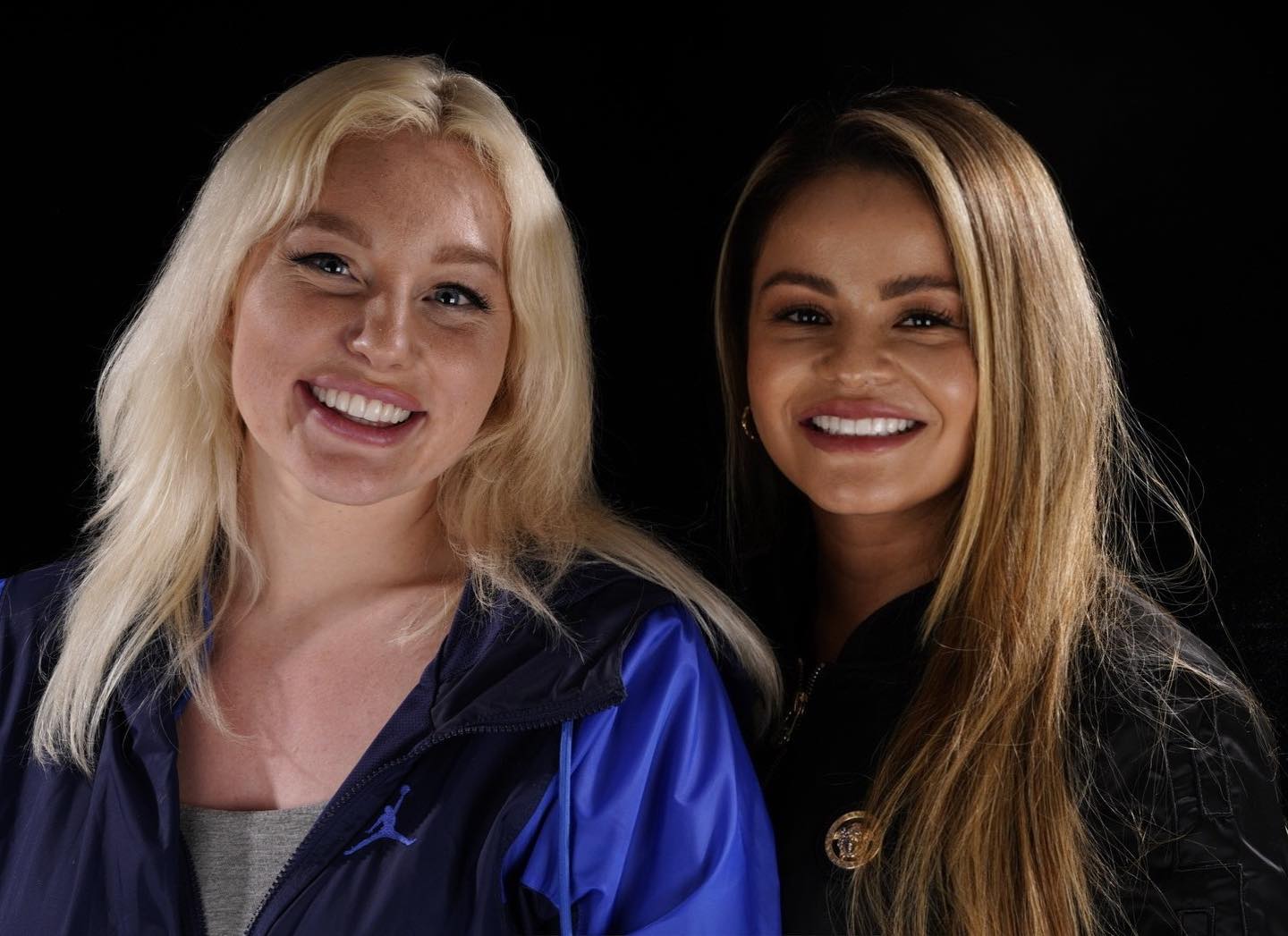
Most patients walk into a veneer consultation with a shade in mind — usually something they saw on a celebrity, a social media post, or a “smile transformation” video. What they rarely know is that the shade they have in mind may look completely different on their face than it did on the person they saw wearing it.
The same veneers cost up to 70% less in Colombia.
See if you qualify Free video call in English · on WhatsAppIndividual patient experience. Results and pricing are confirmed after a clinical evaluation.
Skin tone is one of the most clinically significant variables in veneer shade selection, and it’s consistently underweighted in cosmetic dental consultations. Not because dentists don’t know it matters, but because it requires a more nuanced conversation than simply holding up a shade tab and asking “do you like this one?”
Getting skin tone right in shade selection is the difference between a smile that enhances your entire face and one that looks like it was designed for someone else.
The Contrast Principle: Why the Math Is Different for Different Complexions
The core principle behind skin tone–based shade selection is visual contrast. The human eye perceives the brightness and color of teeth not in isolation, but in relation to everything surrounding them: lips, gums, and — critically — facial skin tone.
Achieving a symmetrical and radiant smile is effortless when you trust the specialists doing affordable veneers in Colombia.
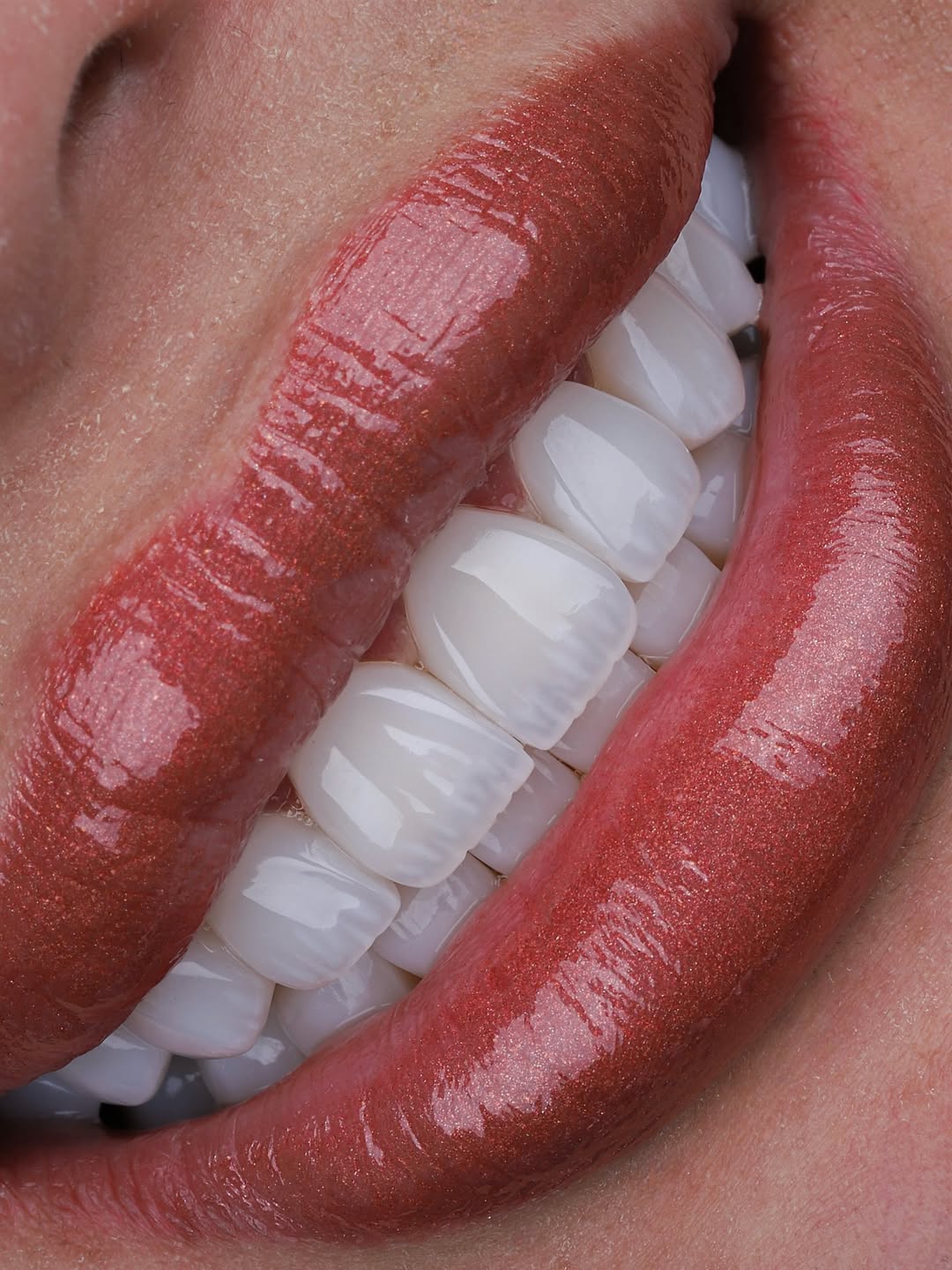
When the contrast between tooth shade and skin tone is calibrated correctly, the smile reads as part of the face. When contrast is miscalibrated — too high or too low — the teeth call attention to themselves as objects rather than features.
Get your veneers in Colombia for up to 70% less.
In the US, 20 porcelain veneers run $30,000–$50,000. With Dr. Yazmin in Medellin, it's $6,900, all-inclusive.
Individual patient experience. Prices, inclusions and results are confirmed after a clinical evaluation. A full evaluation is required before any treatment.
Lighter Skin Tones
Patients with fair or light skin have a higher overall facial luminosity. Their skin reflects more light and has less inherent contrast. Because there’s less visual “distance” between fair skin and warm-white teeth, extremely bright shades (BL3, BL4) can create a stark, high-contrast effect that reads as artificial. Warmer, slightly less optic shades — A1, B1, BL1 — tend to integrate more naturally, reading as “very white and healthy” without looking implanted.
Counterintuitively, fair-skinned patients often achieve a more beautiful result with shades slightly warmer than maximum white, because the warmth creates harmony with the undertone in their skin rather than clashing against it.
Darker Skin Tones
Patients with medium, olive, or dark skin tones have higher inherent facial contrast and luminosity depth. Against a richer, darker skin background, brighter teeth don’t create the same “overblown” effect — they create a high-contrast, radiant impression that reads as intentional and beautiful. Patients in this range often find that shades in the BL1–BL3 range look proportionally brighter on their face than the same shade would on a fairer-skinned patient, and that this brightness enhances rather than overwhelms the overall aesthetic.
This is why the same BL2 veneer looks dramatically different on a patient with fair Nordic skin and a patient with deeper West African skin. The ceramic is identical. The optical context is completely different.
Specific Shade Recommendations by Skin Tone Range
These are clinical starting points, not rigid rules. Individual variation in undertone, gum color, facial contrast, and personal aesthetic goals always modifies these recommendations. But for most patients, the following ranges provide a reliable framework:
Fair / Light Skin Tone
Fitzpatrick types I–II. Very light skin that sunburns easily, often with cool or neutral undertones. Typical heritage: Northern European, East Asian, very light mixed backgrounds.
Recommended shade range: A1 to B1
These shades offer genuine brightness without the cold, stark quality of BL shades against fair skin. A1 provides warm brightness; B1 provides golden-warm brightness. Both integrate naturally. If the patient wants more brightness, BL1 is the ceiling before results start looking clinical rather than cosmetic.
Medium Skin Tone
Fitzpatrick types III–IV. Beige to light brown skin with warm, neutral, or olive undertones. Broad heritage range: Mediterranean, Latin American, Middle Eastern, South Asian (lighter), mixed backgrounds.
Recommended shade range: A2 to B2 for natural results; BL2 to BL3 for a noticeably bright cosmetic result
Medium skin tones have the widest effective range in shade selection. These patients can wear warmer shades for a natural look or push into BL territory for a more impactful cosmetic result without losing credibility. The choice depends on aesthetic goals. Patients who want “enhanced but believable” stay in A2–B2. Patients who want “visibly transformed” can go to BL2 or BL3 and often carry it beautifully.
Olive / Tan Skin Tone
Fitzpatrick types IV–V (olive range). Warm, golden-brown skin with pronounced warm or olive undertones. Common in Latin American, Middle Eastern, Southeast Asian, South Asian, and Mediterranean populations.
Recommended shade range: BL2 to BL3
Olive and tan skin creates enough visual contrast to carry BL shades naturally. BL2 reads as “strikingly white and bright” on olive skin without looking artificial. BL3 pushes into the statement territory but is generally well-tolerated by this skin profile. The warmth of olive undertones actually softens the coldness of very bright veneers in a way that lighter, cooler skin cannot. BL1 or A1 in this skin profile can paradoxically look “less white” than they would on fair skin, because the surrounding skin warmth absorbs the warm tooth shade into the overall color story.
Dark Skin Tone
Fitzpatrick types V–VI. Rich, deep brown to deep dark skin with warm undertones. Common across Sub-Saharan African, Afro-Caribbean, deeper South Asian backgrounds.
Recommended shade range: BL1 to BL2; B1 for a natural-looking result
Patients with deep skin tones carry BL shades with exceptional visual elegance. The high-contrast pairing of rich dark skin and bright white teeth is one of the most aesthetically powerful combinations in cosmetic dentistry. BL1 and BL2 can look transformative and completely natural in this context, where the same shades on a fair-skinned patient might look clinical. Interestingly, patients in this range who want a natural-looking result — enhanced but not overtly cosmetic — often do well with B1 or even A1, as the contrast between those shades and deeper skin still creates a visibly healthy, bright impression without the “cosmetically treated” signal of BL shades.
The Role of Undertone in Shade Harmony
Skin tone is a spectrum of lightness to darkness (value). Undertone is a separate dimension — the underlying cast of the skin that doesn’t change with sun exposure or seasons:
- Warm undertone: Golden, peachy, or yellow cast. Common in olive, tan, and some darker skin profiles.
- Cool undertone: Pink, red, or bluish cast. Common in fair skin, some medium skin tones.
- Neutral undertone: A mix of warm and cool with no dominant cast. Common across many medium and light skin profiles.
Undertone should influence shade selection beyond just the lightness recommendation:
Patients with warm undertones often look best in shades with a slight warm character — A group shades or B group shades rather than the cooler-reading BL shades. Pure BL4, which has minimal warmth, can create a cool-warm clash against golden or peachy skin that’s subtle but noticeable.
Patients with cool undertones can often wear BL shades more harmoniously because the cool ceramic optical quality aligns with the cool cast in their skin. A fair-skinned patient with cool-pink undertones in BL1 or BL2 can look completely natural — the coolness of both elements aligns.
This is a nuanced point that even experienced cosmetic dentists may not always articulate explicitly, but skilled ceramists understand it intuitively when selecting the precise hue formulation for a BL shade restoration.
Gum Color as a Secondary Factor
Gingival tissue color is closely correlated with skin tone but is independently significant in shade planning. Gum color ranges from very light coral-pink in fair patients to deeper coral, brownish-pink, or even deeply pigmented tissue in patients with darker skin tones.
Gum color affects how the cervical margin of the veneer is perceived. A bright veneer that transitions to lightly pigmented gum tissue creates a visual flow that reads naturally. The same veneer against deeply pigmented gum tissue can create a high-contrast margin line — not because the veneer is the wrong shade, but because the framing creates an obvious delineation.
In patients with significant gum pigmentation who are choosing very bright shades, clinicians sometimes discuss gingival depigmentation as a complementary procedure — lightening gum tissue to create better visual harmony with the planned restoration. Whether to pursue this is an individual decision, but understanding the interaction helps patients appreciate why their dentist may raise it.
Why the Same BL2 Looks Completely Different on Two Patients
This comes down to the interplay of all the factors above. Consider two patients, both receiving BL2 veneers fabricated by the same lab from the same batch of ceramic:
Patient A: Fair skin, cool undertone, light pink gums, light eyes. The BL2 reads as “bright and beautiful.” The cool tone of the ceramic aligns with the cool undertone in the skin. The high-value veneer sits within a high-value face. The result: transformative, but not jarring.
Patient B: Medium-dark olive skin, warm undertone, moderately pigmented gums, dark hair. The BL2 reads as “strikingly, radiantly white” — but potentially in a statement way rather than a subtle enhancement way. The warm undertone creates a mild cool-warm tension with the ceramic. If this patient wanted an impactful cosmetic result, this works. If they wanted enhancement that blends in, they may have preferred BL1 or A1.
Neither result is wrong. Both are predictable — but only if the shade conversation explicitly addressed skin tone and undertone before the lab fabricated the restorations.
Evaluating Shade in Natural Light vs. Dental Office Light
Dental office lighting is calibrated for clinical visibility — it’s bright, high-CRI, and designed to illuminate cavities and tissue clearly. It is not representative of how your teeth will look in everyday life. Under dental light, almost all shades look slightly brighter and cooler than they do in real-world conditions.
Natural indirect light — diffuse daylight from a window without direct sun — is the gold standard for shade evaluation. This is when shade tabs should ideally be assessed, and when final veneer try-ins should be critically examined. If your try-in appointment happens under dental office lighting only, ask to step near a window before approving the final result.
Fluorescent office lighting (common in workplaces) and incandescent or LED interior lighting (common at home and in social settings) each render tooth shade slightly differently. A veneer that looks perfect under dental halogen can look slightly different in evening indoor lighting. This isn’t a defect — it’s the nature of how ceramic optical properties interact with different light spectra — but it’s worth understanding so the difference doesn’t create unnecessary concern after delivery.
The Social Media Filter Problem and Managing Expectations
This deserves direct address because it’s one of the most common sources of shade dissatisfaction in cosmetic dentistry today. Virtually all before/after content on social media — Instagram, TikTok, YouTube — is photographed or filmed under conditions that significantly brighten teeth:
- Ring lights create even, high-intensity frontal illumination that eliminates shadows and maximizes tooth brightness
- Video processing and filters add further whitening
- Post-processing in editing apps often includes teeth-whitening adjustments as a standard step
The result is that B1 or BL1 veneers in a social media “after” photo can look identical to BL4 veneers viewed in natural light. Patients who bring in reference photos are often selecting a target that was achieved by lighting and editing, not by the ceramic shade.
The practical solution is to request natural-light photos from your dentist’s case archive — not studio photos. If your reference photo is from social media, show it to your dentist and ask them to honestly assess what shade on the VITA guide would produce that result in a clinical photo without filter enhancement. That conversation will often reveal that the shade you actually need is 1–2 steps lighter than what you could have guessed from the image alone.
Skin tone–informed shade selection, combined with realistic expectations about how different lighting conditions render ceramic restorations, is the foundation of consistently satisfying cosmetic outcomes. The patients who understand these principles are the ones who describe their results as “exactly what I wanted” — not because they got lucky, but because they participated meaningfully in a clinical decision that was made for their face, not someone else’s.