Introduction: The Mirror Doesn’t Lie (But Your Brain Might Freak Out a Little)
It’s 2 AM in your hotel room at El Poblado.
The same veneers cost up to 70% less in Colombia.
See if you qualify Free video call in English · on WhatsAppIndividual patient experience. Results and pricing are confirmed after a clinical evaluation.
You just left Dr. Yazmín’s clinic six hours ago. Your mouth feels… weird. Not painful exactly, just different. Like when you get a haircut and keep touching your head because something’s missing.
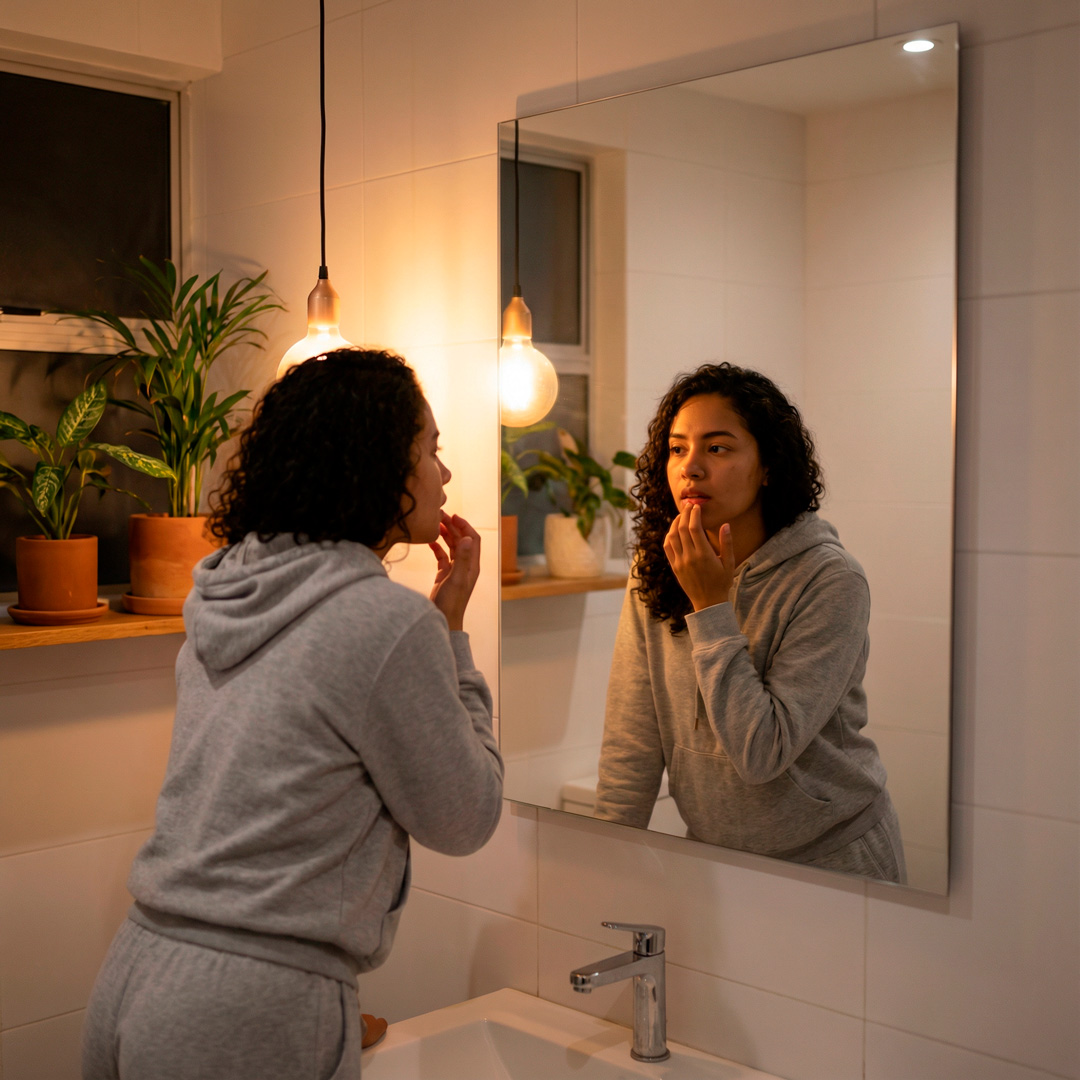
You stumble to the bathroom, flip on the light, and lean into the mirror.
And there it is.
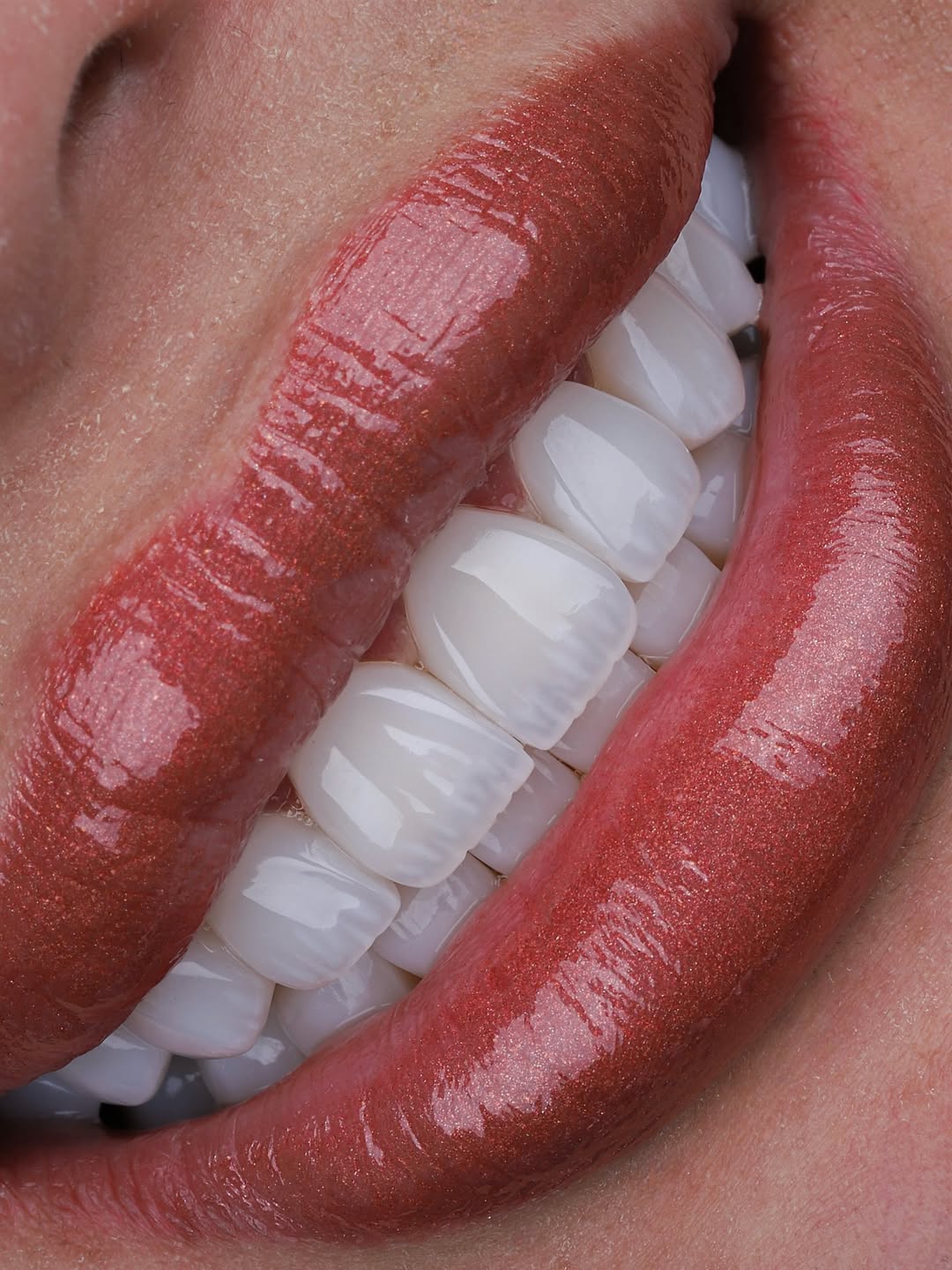
Your new smile.
Except it doesn’t feel like your smile yet. It feels like you’re wearing someone else’s teeth. Someone confident. Someone who takes selfies without overthinking the angle. Someone who laughs with their whole face instead of that tight-lipped thing you’ve been doing since high school.
Get your veneers in Colombia for up to 70% less.
In the US, 20 porcelain veneers run $30,000–$50,000. With Dr. Yazmin in Medellin, it's $6,900, all-inclusive.
Individual patient experience. Prices, inclusions and results are confirmed after a clinical evaluation. A full evaluation is required before any treatment.
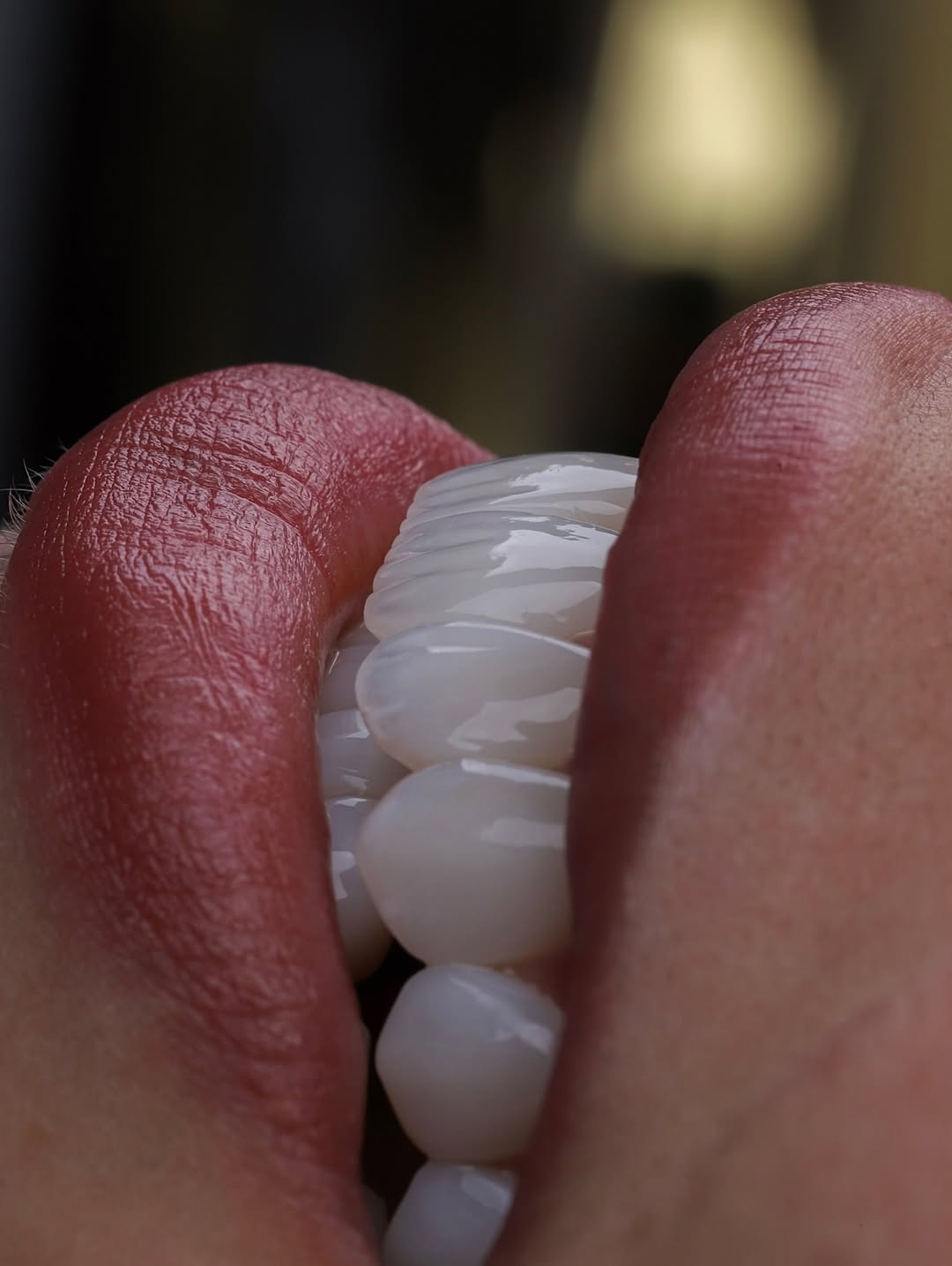
You touch them with your tongue. They’re smooth. Really smooth. Almost too smooth.
“Oh my god,” you whisper to your reflection. “What did I just do?”
Listen. I’m not here to sell you veneers. You already got them. You’re past that.
I’m here to tell you the truth about what happens after — the part that doesn’t fit in a brochure or a 10-minute consultation.
Because here’s what nobody mentions: Getting veneers isn’t just a dental procedure. It’s an identity shift. And your brain? Your brain is about to go through some stuff.
This isn’t about sensitivity or which toothpaste to use (though we’ll cover that too). This is about the psychological rollercoaster you’re about to ride for the next 6 months. The one that starts with “Do I look like a game show host?” and ends with “Wait, why did I spend 15 years hiding my face?”
Ready? Let’s go.
Part I: The Physical Stuff (The 30% Your Dentist Actually Told You)

Look, I’ll keep this part short because honestly? The physical part is the easy part.
Days 1-3: Your Mouth is Confused
What’s happening:
- Your teeth feel thick, like you’re wearing a mouthguard made of glass
- Cold water makes you wince a little (especially if you had prep work done)
- Your bite feels off — like your top and bottom teeth don’t quite know how to meet anymore
- You might have a little gum swelling (totally normal)
- Talking feels weird. You sound like yourself, but also… not?
What to do:
- Avoid ice-cold drinks and superhot coffee for a few days
- Soft foods are your friend (think pasta, eggs, smoothies)
- Don’t bite into an apple like you’re in a commercial. Not yet.
- Ice on your cheeks if you’re swollen (10 minutes on, 10 off)
- Use sensitive toothpaste if your dentist recommended it
Real talk: This phase sucks a little. You’re in a foreign country, your mouth feels like it belongs to someone else, and you’re wondering if this was a mistake. Spoiler: It wasn’t. Your brain just needs a minute.
Week 1-2: Your Brain Starts Catching Up
What’s happening:
- Sensitivity drops big time (like, 80% better)
- Your bite starts feeling normal — your jaw figures it out
- You can eat normal foods again (carefully)
- The “thick” feeling goes away
- You stop noticing them every 5 seconds
What to do:
- Keep brushing gently but thoroughly
- Start flossing again (yes, even with veneers)
- Avoid crunching hard candy or ice (forever, actually)
- Get used to seeing yourself smile in every reflective surface you pass
Real talk: This is when most people start thinking, “Okay, maybe I didn’t make a huge mistake.” Your mouth feels like yours again. Now your brain just needs to catch up.
Month 1-3: You Forget They’re Even There
What’s happening:
- Zero sensitivity
- Zero weirdness
- They just feel like… teeth
- You’re eating everything (within reason — don’t go biting metal bottle caps)
What to do:
- Regular brushing and flossing (treat them like natural teeth)
- Professional cleaning if you’re back home
- Keep your night guard if you grind your teeth
- Enjoy your life
Real talk: Physically, you’re done. This is it. You have your final smile. The rest? That’s all mental.
Part II: The Psychological Stuff (The 70% That Actually Matters)
Okay, here’s where it gets real.
Because veneers don’t just change your teeth. They change how you see yourself. And that’s where things get interesting.
Phase 1: “Oh Shit, What Did I Do?” (Days 1-3)
Welcome to Shock & Awe.
You know that feeling when you dye your hair a completely different color and spend the next 48 hours wondering if you look amazing or insane? Yeah. It’s that.
What you’re thinking:
- “This doesn’t look like me”
- “Are they too white?”
- “Are they too big?”
- “Can I return these?” (No, but also you won’t want to)
- “Everyone’s going to know they’re fake”
What’s actually happening: Your brain has spent 20, 30, maybe 40 years looking at the same smile in the mirror. Every morning. Every photo. Every reflection in a store window.
And now? That reference point is gone.
It’s like your brain’s GPS just recalculated and it’s freaking out a little. “Wait, I thought we turned left at crooked incisor? Where are we??”
The weird part: Some people cry during this phase. Not from regret — from relief. Like they’ve been holding their breath for years and finally exhaled.
Duration: 2-3 days for most people.
What helps:
- Stop looking in the mirror every 5 minutes (I know, impossible)
- Don’t make any big decisions about how you feel yet
- Talk to someone you trust: “I just did this huge thing and I’m freaking out a little”
- Remember: Your brain is updating its software. Give it a second.
Phase 2: “Does Everyone Know?” (Week 1-2)
Welcome to Social Anxiety HQ.
You’re back in the real world now. Your friends. Your coworkers. Your family. And you’re convinced everyone can tell.
Every conversation feels like you’re being interrogated. Every smile feels like you’re showing off. Every photo feels like evidence.
What you’re thinking:
- “They look fake, don’t they?”
- “Should I tell people or just… see if they notice?”
- “Why is everyone staring at my mouth?” (They’re not)
- “I should probably stop smiling so much” (No, you absolutely should not)
What’s actually happening: You’re experiencing something psychologists call “the spotlight effect” — the belief that everyone is paying way more attention to you than they actually are.
The truth nobody tells you:
99% of people will not notice you got veneers.
Not because they look fake or bad. Because people are too busy worrying about their own insecurities to analyze your teeth.
And the 1% who do notice? Half of them will think, “Huh, she looks different,” and move on with their lives. The other half will think, “I wonder if I should get veneers…”
What you’re REALLY worried about: You’re not worried they look fake. You’re worried that people will judge you for caring about how you look. For being “vain.” For spending money on yourself.
And here’s what I’ll tell you: Anyone who judges you for taking care of yourself and your confidence has their own issues to work through. That’s not about you.
Duration: 1-2 weeks. Some people breeze through this in 3 days. Others need a month. Both are normal.
What helps:
- Tell your close friends. Seriously. Say: “I got veneers and I’m paranoid they look weird.”
- Watch them say: “Oh! I didn’t even notice. They look great!”
- Feel 50% of your anxiety evaporate instantly
- Repeat as needed
Phase 3: “Wait, I Actually Like These” (Month 1-3)
Welcome to the Confidence Bloom.
Something shifts around week 2 or 3. You stop asking “Do they look fake?” and start asking “Why did I wait so long to do this?”
Your veneers stop feeling like a thing you did and start feeling like part of you.
What you’re experiencing:
- You smile in photos without thinking about it first
- You stop checking your teeth in every reflection
- Strangers smile back at you more (or maybe you’re just noticing now)
- Your whole face feels more… open? Relaxed?
- You catch yourself laughing with your full face and think, “When did I start doing that?”
The weird thing that happens: People start saying you look “different” but they can’t figure out why.
“Did you change your hair?” “Have you been working out?” “You seem… happier?”
They’re not seeing your teeth. They’re seeing your confidence. And confidence changes everything — your posture, your eye contact, the way you carry yourself.
What’s happening in your brain: Your amygdala (fear center) is finally chilling out. Your prefrontal cortex (confidence center) is like, “Oh, we’re allowed to exist now? Cool.”
It’s like you’ve been driving with the parking brake on for years, and someone finally released it.
Duration: Months 1-3. This is the sweet spot.
What helps:
- Take lots of photos (you’ll want to remember this)
- Notice the small changes (easier eye contact, looser shoulders, more laughs)
- Let yourself enjoy it without guilt
Phase 4: “These Are Just My Teeth Now” (Month 3-6)
Welcome to Your New Normal.
You don’t think about your veneers anymore. They’re just… there. Like your elbows or your earlobes. They exist, but you don’t obsess over them.
What you’re experiencing:
- Complete comfort (physical and mental)
- You forget they’re veneers and just think of them as “my teeth”
- Your confidence is on autopilot — you don’t have to “try” anymore
- People who meet you now have no idea you ever had different teeth
- Sometimes you forget you even got veneers until someone asks about them
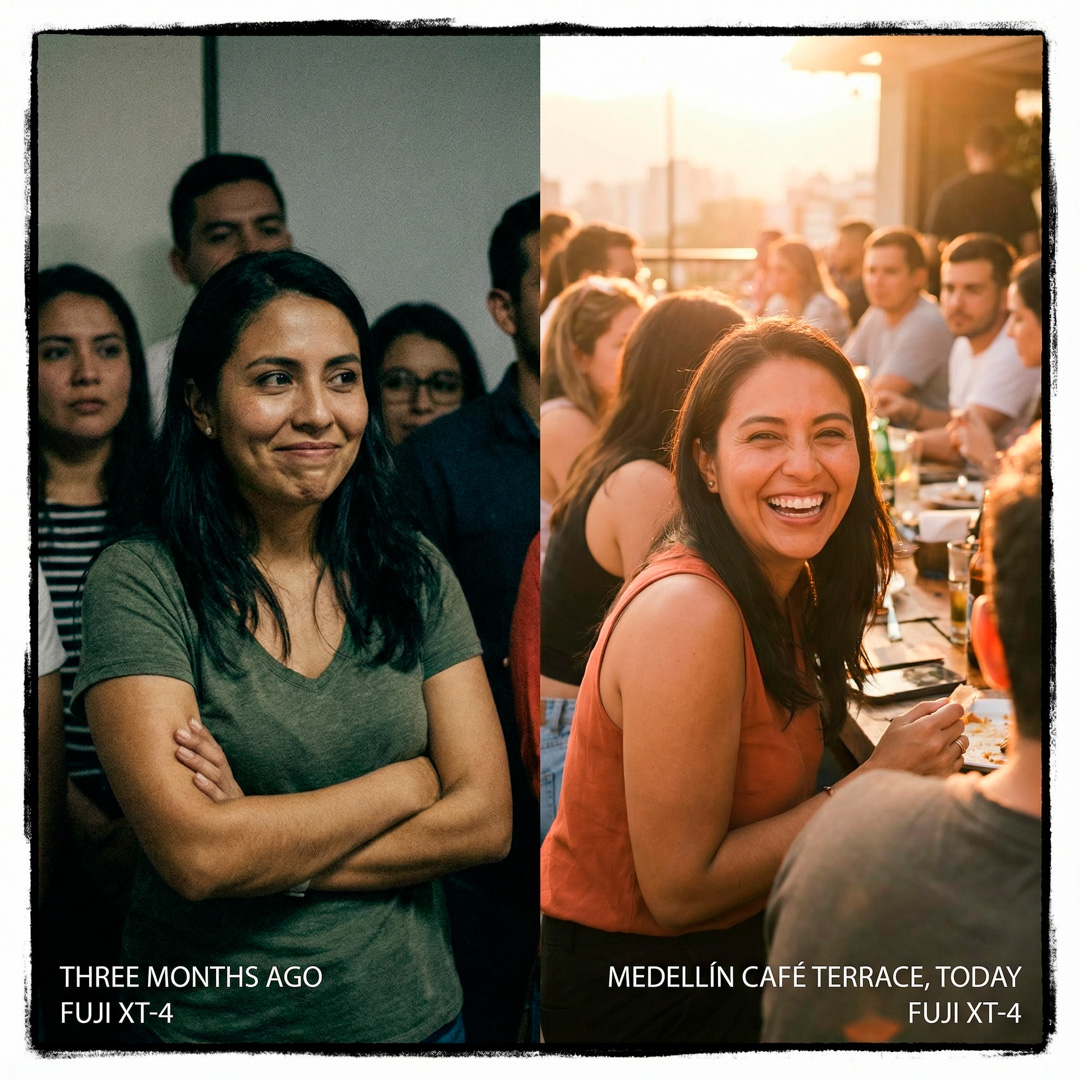
The trippy part: You look at old photos of yourself and barely recognize that person. Not because you look so different now (though you do). But because the energy is different.
Old you: tight smile, closed off, trying to hide New you: open, relaxed, present
Duration: Month 3 onward. This is permanent.
What helps:
- Honestly? Nothing. You’re good. Just live your life.
Phase 5: “Wait, This Changed Everything” (Month 6+)
Welcome to the Domino Effect.
This is the phase nobody warns you about because it sounds too dramatic. But I’ve seen it happen to hundreds of patients.
Your veneers didn’t just change your smile. They changed how you see yourself. And that changed the decisions you made.
Real examples from real patients:
The career move: A woman who avoided public speaking for years because of her teeth finally applied for a promotion that required presenting to clients. She got it.
The relationship shift: A guy who’d been single for 3 years because “I’m not attractive enough” started dating again. He’s engaged now.
The creative breakthrough: A woman who wanted to start a YouTube channel but was “too embarrassed to be on camera” finally did it. 60,000 subscribers and counting.
The health cascade: A man who never took care of himself because “what’s the point?” started working out, eating better, dressing better. Lost 30 pounds. “If I’m investing in my smile, I might as well invest in the rest of me.”
The simple joy: A mom who refused to be in family photos for 10 years is now the one taking selfies with her kids.
What’s happening: Your brain finally believes you’re worthy of good things.
I know that sounds dramatic. But think about it: How many opportunities did you unconsciously avoid because you didn’t feel “good enough”? How many times did you dim your own light because you were insecure?
Confidence doesn’t just make you feel better. It changes what you’re willing to pursue.
Duration: Starts around month 3-4, continues forever.
What helps:
- Keep a list of unexpected changes you notice (big or small)
- In one year, look back at this list and marvel at how different your life became because you finally let yourself smile
Part III: Three Real Stories (Because Data Is Boring, People Are Interesting)
Story 1: María — From Hiding to Thriving
María was 34, working in marketing in Bogotá. Successful career. Great apartment. Solid friend group.
But in every photo, she’d do this thing where she’d smile with her lips pressed together. Always. For 15 years.
She’d gotten so good at it that most people didn’t even notice. But she noticed. Every single time.
The breaking point: Her boyfriend (now fiancé) kept asking why she never smiled with teeth in photos. Not in a mean way — he was just genuinely confused. And she realized: He doesn’t even know what my real smile looks like.
That’s when she booked the flight to Medellín.
Week 1: Total panic. “They’re too white. Everyone will know. I made a mistake.”
Week 2: She avoided her boyfriend’s camera completely.
Week 3: She smiled once — really smiled — during dinner. He stared at her. She panicked.
Then he said: “There you are.”
Month 3: She started smiling in photos without thinking about it first.
Month 6: Her boyfriend proposed. Later, he told her: “When you finally started actually smiling in pictures and enjoying moments instead of managing how you looked, I knew you’d found peace with yourself. That’s when I knew.”
María’s takeaway: “It wasn’t the veneers that changed my relationship. It was finally letting someone see all of me.”
Story 2: Carlos — The CEO Who Waited Too Long
Carlos was 50. Successful construction business owner in Medellín. Respected in his industry. But in every professional photo, every networking event, every business meeting — neutral expression. No smile.
His team joked that he had “resting boss face.”
The truth? He hated his teeth. Gaps, discoloration, one chipped incisor from a soccer game in his 20s. So he just… stopped smiling in professional settings.
The turning point: His daughter graduated college. In every family photo, she was beaming. He was stone-faced.
She asked him later: “Dad, were you not happy for me?”
He was. He just didn’t want to ruin the photo with his smile.
That’s when he realized how ridiculous that was.
The transformation:
He got the veneers. Told his whole team: “Yes, I got veneers. Yes, it’s cosmetic. Yes, it mattered to me.”
They teased him gently for a week, then moved on.
What changed:
- His presentations became more dynamic (he smiled naturally, looked more enthusiastic)
- Clients started commenting that he seemed “more approachable”
- His business Instagram saw more engagement (because he was finally comfortable being visible)
- He won three major contracts in six months
Same product. Same service. Different presence.
Carlos’s takeaway: “I realized I’d been unconsciously positioning myself as less trustworthy than I actually was. My teeth didn’t make me a better businessman. But my insecurity definitely held me back.”
Story 3: Sofía — The Solo Trip That Changed Everything
Sofía was 28, living in Chicago. For years, she’d told herself: “Veneers are too expensive. Too drastic. Too… much.”
But after seeing a TikTok about veneers in Colombia, something clicked.
Not because she suddenly cared about cosmetic dentistry. But because she realized: I’ve been saying no to myself for years because I don’t think I deserve to invest in me.
She booked the flight. Didn’t tell most of her friends. Just… went.
The experience:
Days 1-3: “Oh god, what did I do? Everyone’s going to know. I’m going to look like I have veneers.”
Week 1: She flew back to Chicago. Her best friend picked her up from the airport, looked at her, and said: “You got veneers.”
Sofía almost died.
Her friend continued: “They look amazing. Why didn’t you tell me?”
“I don’t know,” Sofía said. “I guess I felt weird about it?”
“About taking care of yourself? Girl.”
Month 3: Sofía realized the veneers weren’t the big change. The big change was that she’d proven to herself she could make a decision for herself and follow through.
Month 6: She quit her corporate job and started her own business (something she’d wanted to do for years but felt “not ready” for).
When people asked if it was connected to the veneers, she’d laugh and say: “It wasn’t the veneers. It was the choice to get them. Once I did that, all my other excuses seemed… smaller.”
Sofía’s takeaway: “Confidence doesn’t come from teeth. But sometimes you need a physical symbol to prove to yourself that you’re worth investing in.”
Part IV: The Uncomfortable Questions (Answered Honestly)
“Will They Look Fake?”
Short answer: No, if done right.
Longer answer: E-Max porcelain veneers (what Dr. Yazmín uses) are literally designed to mimic natural teeth — the translucency, the shine, the subtle variations in color.
When done well, they don’t look “fake.” They look like good teeth.
What CAN look fake:
- Too white (like Ross from Friends after the whitening episode)
- Too big (the “I have Chiclets in my mouth” look)
- Too perfect (no natural variation, looks AI-generated)
How to avoid this: Digital Smile Design. You see exactly how they’ll look before they’re made. If something feels off, you say so. Dr. Yazmín adjusts. You approve. Then they’re made.
Real talk from patients: “In the first 48 hours, they felt too prominent. Too white. Too much. By day 5, I realized they weren’t too white — my brain just wasn’t used to seeing me with good teeth.”
“Will People Know?”
Short answer: Rarely.
Longer answer: Most people won’t notice you got veneers. They’ll notice you seem “different” but won’t be able to pinpoint why.
What they WILL notice:
- You smile more
- You seem more confident
- You make more eye contact
- You look “happier” (because you are)
What they WON’T notice: Your actual teeth (unless they’re dentists or dental nerds)
The test: Post a before/after on Instagram with no explanation. See how many people say “new teeth!” vs “you look great!”
Most will say the latter.
“Is It Normal to Feel Weird About Them at First?”
Yes. Completely, totally, 100% normal.
Your brain spent decades memorizing exactly what you looked like. You just changed a major feature on your face in 48 hours.
Your brain is like: “ERROR. DOES NOT COMPUTE. WHO IS THIS PERSON.”
How long it lasts:
- Physical weirdness: 3-7 days
- Psychological weirdness: 1-3 weeks
- Complete integration: 1-3 months
What helps:
- Stop Googling “do my veneers look fake” at 2 AM
- Talk to someone who knows you well and trusts you
- Give yourself time
“When Will I Feel Normal?”
Physically: About a week.
Psychologically: About 2-4 weeks for the anxiety to fade. 2-3 months for complete comfort.
Spiritually (lol but also seriously): Around month 6, when you realize you can’t even remember what it felt like to hide your smile.
“What If I Regret It?”
The honest truth: Real, lasting regret is rare. Like, less than 1% rare.
What IS common: Temporary panic in the first week.
“Oh god, they’re too white.” “They’re too big.” “Everyone will know.” “This was a mistake.”
Then what happens:
- Week 2: “Okay, they’re not as bad as I thought.”
- Week 3: “Actually, I kind of like them.”
- Month 2: “Why did I wait so long to do this?”
- Month 6: “I literally can’t imagine my life without them now.”
The pattern: People who say “I regret this” in week 1 almost always love them by month 2. It’s not regret — it’s adjustment anxiety.
But what if you truly, genuinely regret it after 6 months?
Options exist (replacement, removal, adjustment). But again — this is incredibly rare with a skilled dentist.
“What’s the Real Aftercare?”
Golden rule: Treat them like natural teeth, but with slightly more intention.
DON’T:
- Bite ice, hard candy, or anything that would break a natural tooth
- Use your teeth as tools (opening bottles, ripping tags, etc.)
- Skip your night guard if you grind your teeth
- Go crazy with whitening treatments (your veneers won’t change color, but your natural teeth will — mismatch city)
DO:
- Brush twice daily with a soft toothbrush
- Floss (yes, even with veneers)
- Use fluoride mouthwash
- Get professional cleanings every 6 months
- Wear a night guard if you grind
- Avoid smoking (stains the margins)
How long they last: 15-20 years with good care. Some last 25+.
Part V: The Weird Positive Side Effects Nobody Mentions
Side Effect #1: You Get Weirdly Assertive
Patients report that after veneers, they’re more comfortable “asking for what they want” in situations they’d normally avoid.
Examples:
- Negotiating salary
- Setting boundaries with family
- Speaking up in meetings
- Asking someone out
Why? The “facial feedback hypothesis” — when you smile more (because you finally can), your brain interprets that as confidence. And confidence begets more confidence.
Side Effect #2: Your Relationships Get… Better?
Not because you’re “more attractive” (though sure, maybe).
But because you’re finally letting people see you completely.
When you hid your smile, you were literally hiding part of yourself. And it’s hard to build deep relationships when you’re always managing how you look.
Real example: A patient told me her husband said she seemed “more present” after her veneers. Not because her teeth changed. Because she stopped mentally checking out every time someone took a photo.
Side Effect #3: You Get More Professional Opportunities
Correlation or causation? Hard to say.
But multiple patients have reported:
- Getting promoted
- Landing new clients
- Expanding their businesses
- Feeling more confident in interviews
Why? First impressions matter. And smiling is one of the biggest factors in first impressions (even more than handshake or clothing, according to Harvard research).
If you spent years avoiding smiling in LinkedIn photos or networking events, finally allowing yourself to smile changes how people perceive you.
Side Effect #4: You Start Caring About Your Health
Weird but true: Many patients say that after veneers, they started taking better care of their overall health.
“If I invested $6,800 in my smile, I might as well invest in the rest of me.”
Results:
- More gym visits
- Better nutrition
- Regular dental cleanings
- Skincare routines
- Better sleep
It’s like the veneers were the permission slip they needed to start caring about themselves.
Part VI: The Month-by-Month Map
Here’s what to actually expect:
| Timeline | Physical | Psychological | Social |
|---|---|---|---|
| Days 1-3 | Sensitive, weird, thick-feeling | Shock, awe, “what did I do?!” | Hiding in your hotel room, avoiding eye contact |
| Week 1-2 | Sensitivity fading, bite normalizing | High anxiety, hyperaware, self-monitoring | Testing reactions, wondering if people notice |
| Week 3-4 | Feels mostly normal | Confidence emerging, anxiety dropping | Smiling naturally, less self-conscious |
| Month 1-2 | Completely normal, no discomfort | New confidence feels real | Visible changes in body language, more open |
| Month 3-6 | Forget they’re veneers | Confidence is automatic | Career/relationship changes manifesting |
| Month 6-12+ | Just your teeth now | New baseline confidence | Complete transformation, people ask “what changed?” |
Part VII: What I Wish Someone Had Told Me on Day 1
If I could go back and talk to myself on Day 1 (when I was panicking in my hotel room at 2 AM), here’s what I’d say:
1. The weirdness is temporary. It feels permanent right now. It’s not. Give it a week.
2. Nobody is analyzing your teeth as much as you are. You’re hyper-focused on them because they’re new. Everyone else is thinking about their own insecurities.
3. The social anxiety will pass. Week 1 is brutal. Week 3 is fine. Month 2 is freedom.
4. Take lots of photos. Not just “after” photos. Photos of your life. In 6 months, you’ll want to remember what it felt like when you finally let yourself be visible.
5. This isn’t vanity. It’s self-care. It’s investing in your confidence. It’s allowing yourself to stop hiding.
6. The domino effect is real. You think you’re just fixing your teeth. You’re actually unlocking a version of yourself that’s been waiting to exist.
7. You’re going to be okay. Better than okay. You’re going to look back in a year and barely recognize the person who was too scared to smile.
Conclusion: The Truth After 48 Hours
The uncomfortable truth about veneers in Colombia isn’t about teeth.
It’s about what happens when you finally stop hiding.
It’s about realizing you spent years unconsciously limiting yourself because you believed you weren’t worthy of being fully visible.
It’s about discovering that confidence, once released, doesn’t stay contained. It spreads everywhere.
And it’s about the moment — maybe in month 3, maybe in month 6 — when you catch yourself laughing with your whole face and think:
“Oh. This is who I was supposed to be all along.”
Veneers don’t change your life.
Your decision to get veneers changes your life.
Ready for Your Transformation?
If this article resonated, it’s not an accident.
Dr. Yazmín offers:
- ✓ Free virtual consultation (no pressure, just conversation)
- ✓ Digital Smile Design (see your results before anything is permanent)
- ✓ Complete transformation in 24-48 hours
- ✓ In-house lab (no outsourcing = perfect quality control)
- ✓ 1-year warranty
- ✓ Post-treatment support (because we know the real journey starts after you leave)
Book your free consultation here
One Last Thing
If you’re reading this at 2 AM, panicking about whether you made the right choice:
You did.
Give yourself time. Give your brain time. Give your confidence time to catch up with your new smile.
In 6 months, you’ll look back at this moment and barely recognize the person who was scared.
Promise.
Written by: Dr. Yazmín Escudero
Specialist in E-Max Porcelain Veneers, Digital Smile Design & Emotional Transformations
13+ years experience, 1000+ confident smiles, infinite belief in the power of letting yourself be seen